01
Consultation
Technical needs assessment

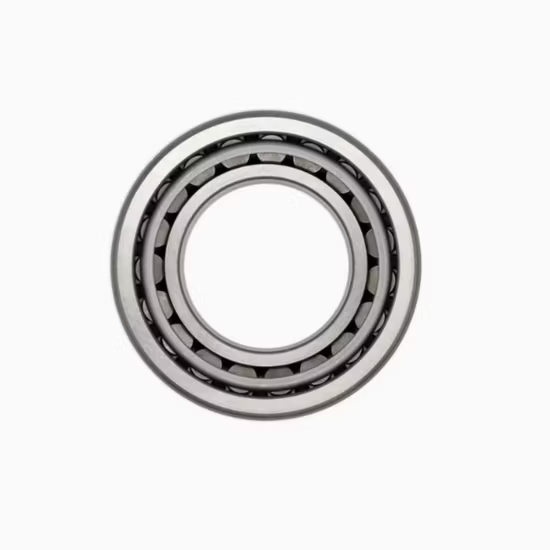
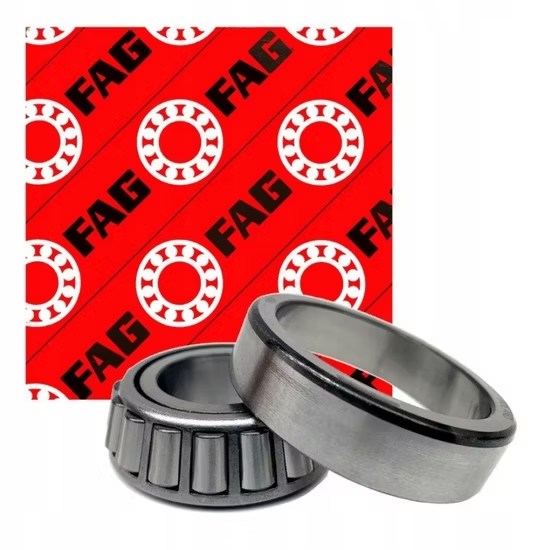
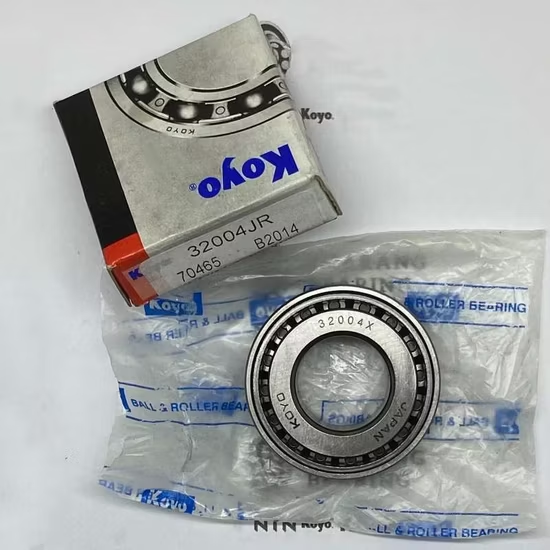
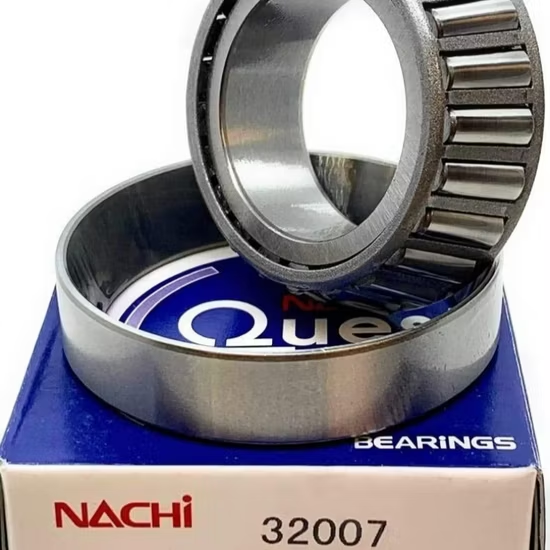
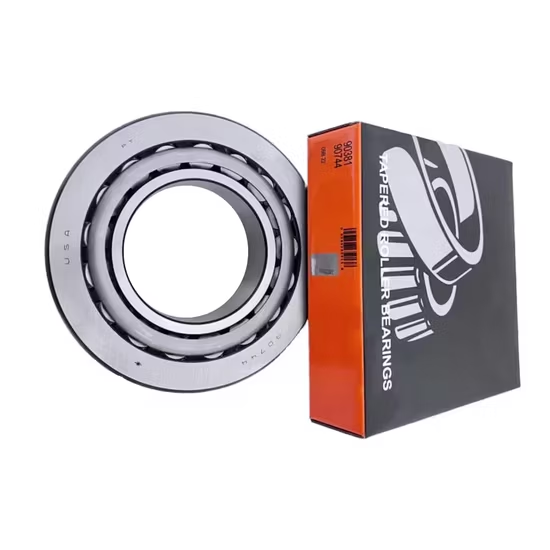

30201 30202 Tapered Roller Bearing P4 — Single row design in GCr15 steel.
Cross-reference triad alignment — matching the base designation, cage material, and precision class prevents thermal binding and premature cage failure in heavy-duty power transmission systems.
| Parameter | Value |
|---|---|
| Designation | 30201 30202 |
| Bearing Type | Tapered Roller Bearing |
| Number of Rows | Single Row |
| Precision Class | P4 |
| Cage Material | Available in nylon, brass, or iron variants |
| Material | GCr15 bearing steel |
| Origin | Shanghai |
| Industry | Typical Applications |
|---|---|
| Automotive & Heavy Vehicles | Wheel hub assemblies, differential pinion shafts, and truck axle final drives |
| Industrial Power Transmission | Heavy-duty gearbox input/output shafts and reduction gear pinions |
| Material Handling & Marine | Conveyor drive pulleys, winch drum supports, and marine propulsion shafts |
A matching base number guarantees dimensional fit, but ignoring internal geometry and precision suffixes guarantees early field failure.
Sourcing a generic 30201 30202 tapered roller bearing based solely on the core digits is a common trap in heavy machinery maintenance. I have seen mining operations in Latin America replace standard clearance units with identical base numbers, only to experience complete shaft lock-ups within weeks due to thermal expansion constraints. When the internal design, cage material, or precision rating diverges from the original equipment requirements, the resulting friction and misalignment rapidly destroy the raceways . True interchangeability demands strict verification of every suffix and tolerance class, not just the basic envelope dimensions.
Selecting the correct internal configuration for a generic 30201 30202 tapered roller bearing requires balancing rotational speed against shock loading. Our technical review process evaluates the specific operational envelope to recommend the optimal cage material—whether high-speed nylon, high-load brass, or standard iron—ensuring the P4 precision rating translates into sustained running accuracy under dynamic conditions.
Tapered roller bearings in gearboxes and axles endure intense combined loads that generate significant internal heat. If the selected unit lacks the appropriate internal clearance to accommodate this thermal expansion, the rolling elements will skid and smear against the raceways. Proper lubrication routing and seal selection are equally critical; inadequate contamination exclusion in dusty environments accelerates abrasive wear, while incorrect grease fill intervals lead to localized overheating and cage degradation .
The designation 30201 30202 represents the fundamental metric dimensions for these single-row units, but the P4 precision class dictates significantly tighter dimensional and running accuracy tolerances compared to standard P0 grades. This enhanced precision minimizes vibration and ensures uniform load distribution across the tapered contact lines. The rings and rollers are manufactured from GCr15 bearing steel, providing the necessary core toughness and surface hardness to resist spalling under heavy radial and axial thrusts. Furthermore, unverified suffixes found in legacy cross-references, such as the 'xf' in 320/28xf, require explicit manufacturer catalog confirmation to avoid installing incompatible internal geometries.
Installing a dimensionally correct but internally mismatched bearing inevitably triggers a cascade of mechanical failures. A cage material unsuited for the operating temperature will fracture, while incorrect precision tolerances cause excessive preload and rapid fatigue. These errors manifest as unplanned downtime, catastrophic damage to adjacent shafts and housings, and immediate warranty voidance by the equipment manufacturer. Relying on superficial cross-references rather than comprehensive engineering validation shifts the financial burden of premature failure directly onto the end user.
We eliminate the guesswork in procurement by enforcing strict cross-reference alignment across base designation, precision class, and cage material for every order. Mixed-brand requirements are consolidated through our authorized distribution network, ensuring full batch traceability back to the manufacturer's production facilities. Our application-based selection review specifically targets the high-risk areas of tapered roller installations, verifying load, speed, and mounting parameters before shipment. This technical scrutiny prevents the costly field failures associated with soft inner rings and cloned QR codes prevalent in unverified supply chains.
To ensure the selected tapered roller bearings meet your exact operational requirements, provide our engineering team with detailed application parameters. Supplying radial and axial load profiles, operating speeds, and ambient temperature ranges allows us to perform precise L10 life calculations and validate the internal clearance class. If you are replacing legacy components, sharing the OEM equipment number or existing part markings enables us to execute a comprehensive cross-reference check, confirming that the cage material and precision suffixes align perfectly with your machinery's design intent.
Q: Why is matching the base designation insufficient for tapered roller bearing replacement?
A: The base number only confirms envelope dimensions. Internal geometry, cage material, and precision class must also align with the equipment's operational demands. Installing a standard clearance unit in a high-temperature application causes thermal binding, while mismatched cages fail under specific vibration profiles, leading to rapid field failure.
Q: How does P4 precision benefit single row tapered roller bearings in industrial gearboxes?
A: P4 precision guarantees significantly tighter dimensional and running accuracy than standard grades. This minimizes internal vibration, ensures uniform load distribution across the tapered contact lines, and reduces heat generation, which is critical for maintaining gear mesh alignment and extending the service life of high-speed reduction drives.
Q: What factors dictate the choice between nylon, brass, or iron cages?
A: Cage selection depends on the specific speed, load, and temperature profile of the application. Nylon cages offer low friction for high speeds, brass cages provide superior strength and heat dissipation for heavy shock loads, and iron cages serve as a cost-effective solution for standard, moderate-duty operational environments.
Q: How can procurement teams verify the authenticity of the supplied bearings?
A: Every batch is supplied with full traceability documentation and verifiable QR codes that link directly to the manufacturer's official database. This allows maintenance teams to instantly confirm the material origin, precision grade, and production lot, effectively eliminating the risk of installing counterfeit components with compromised metallurgy.
Our 5-step process ensures every order is engineered, validated, and supported for optimal performance.
Technical needs assessment
Custom specifications
Free samples for $50k+
Pre-shipment inspection
On-site & predictive
Our certified engineers respond within 24 hours with detailed technical specifications, pricing, and lead time information.