01
Consultation
Technical needs assessment


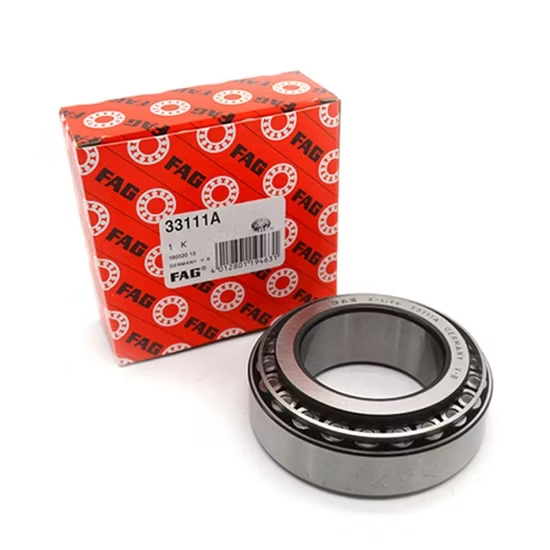
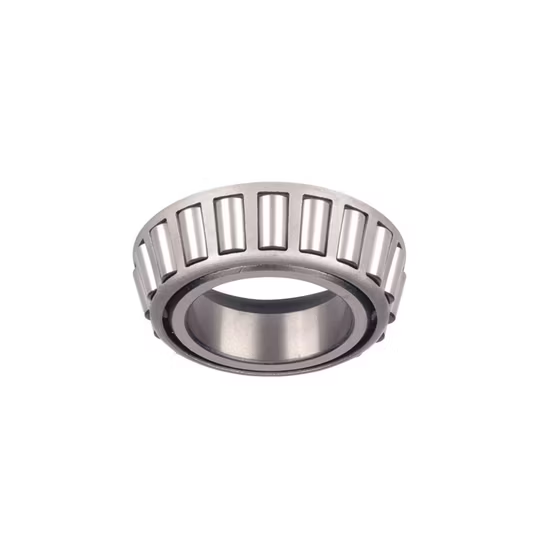
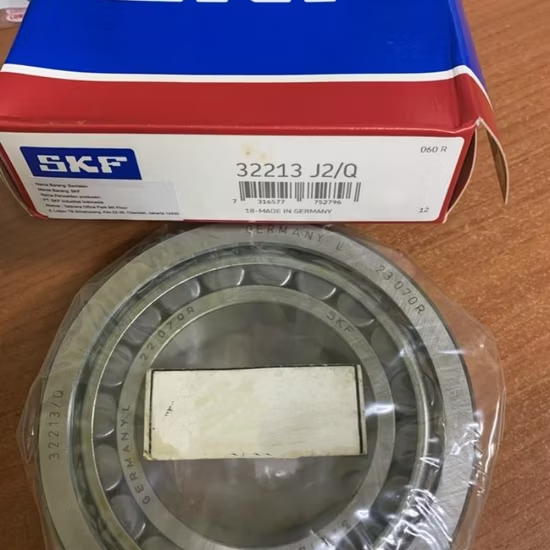
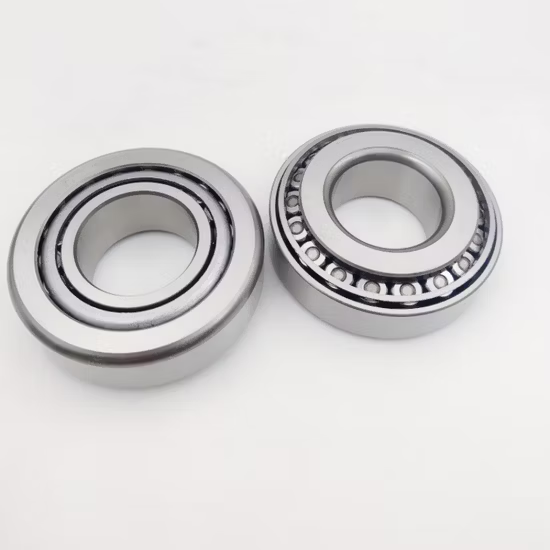
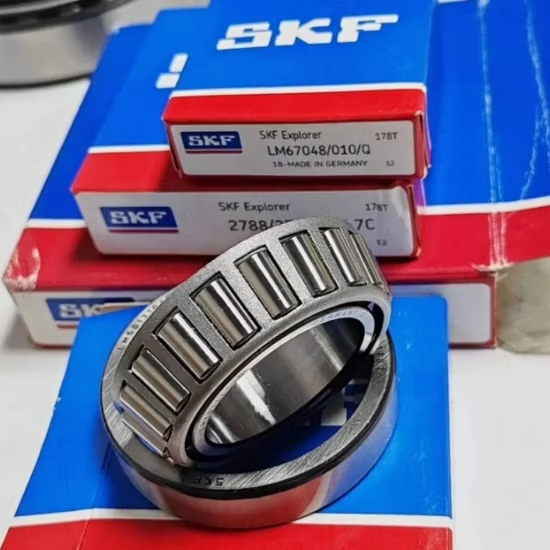
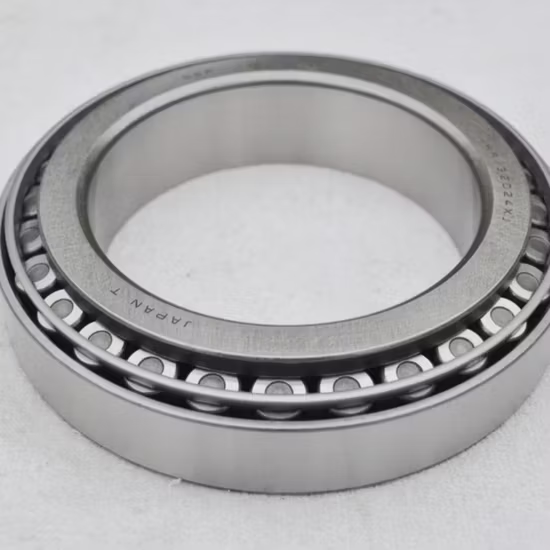
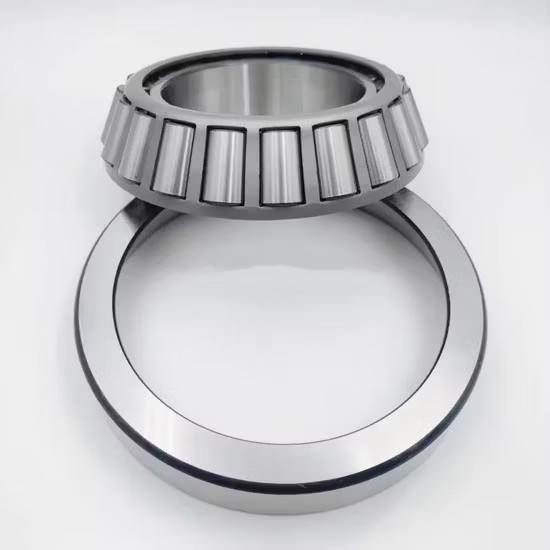
31310 31311 Single Row Tapered Roller Bearing P4 — Manufactured from GCr15 steel for high wear resistance.
Original Batch Traceability — Every 31310 31311 single row tapered roller bearing ships with manufacturer lot documentation for full lifecycle verification.
| Parameter | Value |
|---|---|
| Designation | 31310 31311 |
| Bearing Type | Tapered Roller Bearing |
| Number of Rows | Single Row |
| Precision Class | P4 |
| Cage Material | Nylon / Brass / Iron |
| Material | GCr15 |
| Origin | Germany / Japan / Sweden / Malaysia / China |
| Industry | Typical Applications |
|---|---|
| Industrial Gearboxes | Heavy-duty reduction gear pinion shafts |
| Manufacturing Plants | Conveyor drive pulleys and material handling rollers |
| Building Material Machinery | Crusher eccentric shafts and vibrating screen exciters |
| Automotive Repair | Heavy vehicle wheel hubs and differential pinions |
Matching the basic designation is never enough to prevent premature cage fracture.
Early in my career transitioning from the grinding workshop to sales, I supplied standard bearings to a steel mill, only to face catastrophic downtime because the cage material was ignored in a high-vibration environment. A 31310 31311 single row tapered roller bearing might look identical on paper, but installing an iron cage where a brass or nylon variant is required leads to rapid fatigue under shock loads . Procurement engineers often overlook these internal design nuances, resulting in thermal binding or cage failure when the actual operating conditions demand a different internal configuration than the default catalog listing.
Selecting the correct internal configuration ensures the 31310 31311 single row tapered roller bearing survives demanding industrial environments. Our technical review process goes beyond basic dimensions to evaluate the specific load profiles and vibration levels of your equipment. By aligning the cage material and precision class with your actual operating parameters, we prevent the mismatched internal designs that frequently cause early field failures.
Heavy machinery environments subject these components to intense combined radial and axial loads alongside severe shock impacts. Elevated operating temperatures dictate the necessary internal clearance to accommodate thermal expansion without causing seizure. Proper lubrication intervals and the correct cage material selection are critical to managing friction heat and resisting contaminant ingress . Ignoring these environmental factors during the selection phase inevitably compromises the operational stability of the assembly.
The P4 precision rating provides noticeably tighter dimensional and running accuracy compared to standard grades, ensuring smoother rotation in sensitive gearboxes. GCr15 bearing steel delivers the necessary hardenability and fatigue strength for continuous heavy loading. Cage options include nylon for reduced friction and noise, brass for high-vibration resilience, and iron for standard cost-effective durability. Selecting the appropriate cage material is the most critical variable in preventing the structural failures I witnessed during my early steel mill supply projects.
Overlooking suffix requirements or internal design variations leads to unplanned downtime and catastrophic damage to surrounding shafts and housings. A mismatched clearance class causes excessive preload under thermal expansion, rapidly degrading the raceways. These specification errors void equipment warranties and trigger expensive emergency maintenance cycles . Accurate cross-referencing is the only reliable defense against these hidden operational costs.
Our authorized multi-brand coverage allows you to consolidate mixed-brand requirements into a single, fully traceable order. We verify every cross-reference to ensure the clearance and cage material match your equipment's exact needs, preventing the dangerous assumption that base numbers are universally interchangeable. Each shipment includes official QR verification to eliminate counterfeits with soft inner rings that bypass casual visual checks. Our application-based selection review specifically targets the high-vibration and heavy-load pitfalls common to these specific models.
To ensure precise specification alignment, please provide your radial and axial load profiles, operating speeds, and thermal conditions for a comprehensive L10 life calculation. Sharing the original OEM equipment number allows our engineering team to perform a rigorous cross-reference review, verifying that the cage material and internal clearance perfectly match your machinery's requirements. This technical validation guarantees you receive components engineered for your specific operational reality.
Q: How do I verify the authenticity of these bearings using official apps?
A: Scan the QR code on the packaging using the manufacturer's official mobile application. This confirms the production batch, origin, and anti-counterfeit status, protecting you from fraudulent units with soft inner rings that fail under heavy industrial loads.
Q: Why must cage material be matched during cross-referencing?
A: Base numbers do not indicate internal structural differences. Installing an iron cage in a high-vibration application instead of a brass variant leads to rapid fatigue and premature fracture, as I learned from early supply failures in steel mill operations.
Q: What are the selection boundaries for nylon, brass, and iron cages?
A: Nylon cages offer low friction for high-speed applications, brass provides superior resilience in high-vibration and shock-load environments, while iron cages serve standard duty cycles. The choice depends entirely on your specific operational temperature and load profiles.
Q: How does P4 precision compare to standard grades in operation?
A: P4 precision delivers noticeably tighter dimensional and running accuracy than standard P0 grades. This reduces vibration, minimizes heat generation, and extends service life in demanding gearboxes and manufacturing equipment where rotational stability is critical.
Our 5-step process ensures every order is engineered, validated, and supported for optimal performance.
Technical needs assessment
Custom specifications
Free samples for $50k+
Pre-shipment inspection
On-site & predictive
Our certified engineers respond within 24 hours with detailed technical specifications, pricing, and lead time information.