01
Consultation
Technical needs assessment


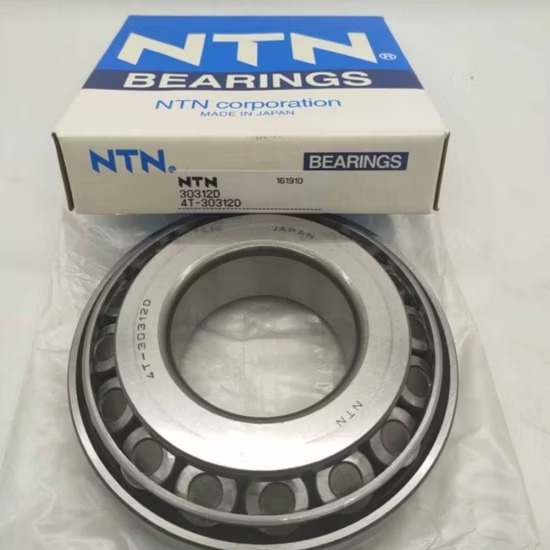
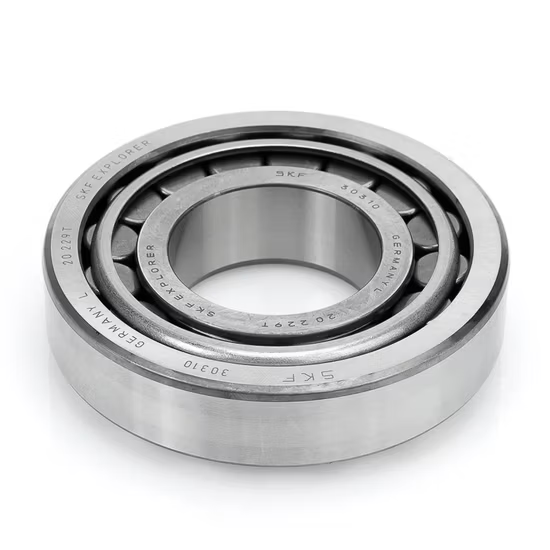
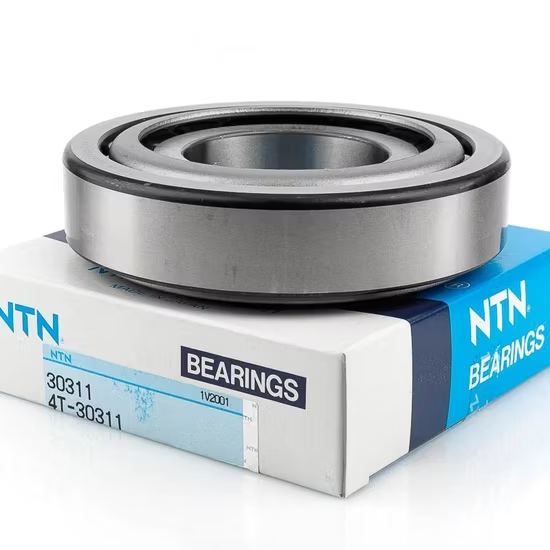

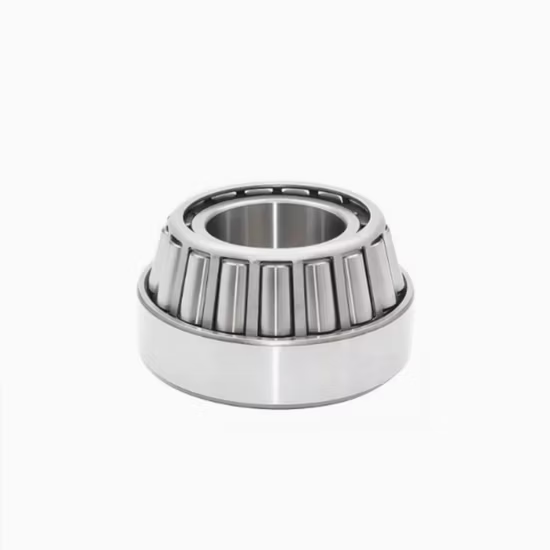
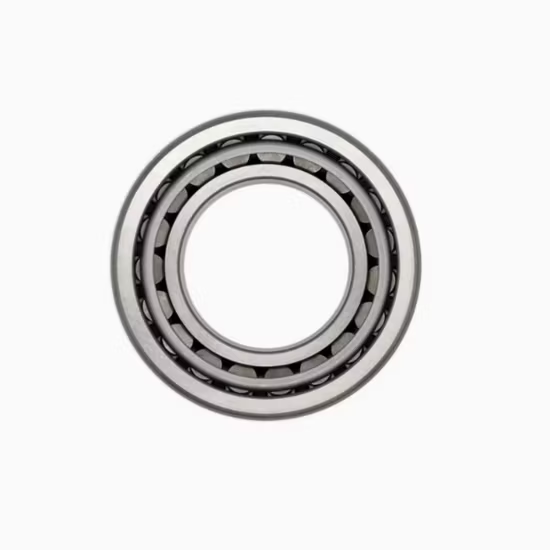
30312D Tapered Roller Bearing P4 — engineered with GCr15 high-carbon chromium steel for exceptional wear resistance and fatigue life in industrial gearboxes.
Factory Batch Traceability — Every 30312D tapered roller bearing ships with lot-specific documentation linking directly to the manufacturer's production records.
| Parameter | Value |
|---|---|
| Designation | 30312D |
| Bearing Type | Tapered Roller Bearing |
| Precision Class | P4 |
| Cage Material | Available in nylon, brass, or iron variants |
| Material | GCr15 high-carbon chromium bearing steel |
| Origin | Sourced from authorized facilities in Germany, Japan, Sweden, Malaysia, or China |
| HS Code | 8482500090 |
Note: The "D" suffix remains unverified and requires specific manufacturer catalog confirmation for exact internal design or pairing arrangement.
| Industry | Typical Applications |
|---|---|
| Industrial Gearboxes | Heavy-duty reduction gear pinion and output shaft support |
| Automotive & Heavy Vehicles | Truck axle differential pinion bearings and wheel hub assemblies |
| Manufacturing Plants | Conveyor drive pulleys and material handling equipment shafts |
| Marine Drives | Propulsion shaft support in marine reduction gearboxes |
Matching the base designation is never enough when internal clearance and cage materials dictate thermal stability.
In heavy-duty gearboxes and truck axles, installing a standard clearance unit where thermal expansion demands a wider internal gap leads to rapid heat buildup and spindle seizure. I have seen field teams in desert climates replace components repeatedly because the initial cross-reference ignored the operational temperature profile. Misaligned internal geometries cause catastrophic binding under combined radial and axial loads, turning a minor procurement oversight into a major operational bottleneck .
Sourcing the correct 30312D tapered roller bearing requires looking past the basic part number to evaluate the specific cage material and precision class needed for the application. Our technical review process verifies that the P4 precision rating and selected cage variant align with your equipment's speed and vibration profiles. This prevents the all-too-common scenario where a visually identical replacement fails prematurely due to unverified internal design differences.
Tapered roller bearings in truck axles and industrial gearboxes must endure intense combined radial and axial loads while managing significant friction-induced heat. When operating temperatures rise, inadequate internal clearance causes the rolling elements to bind against the raceways, leading to severe thermal damage. Proper lubrication selection and verifying the cage material's thermal limits are critical to maintaining the hydrodynamic film under heavy shock loads. Ignoring these environmental factors accelerates fatigue and compromises the structural integrity of the shaft assembly .
The GCr15 high-carbon chromium bearing steel provides the necessary core hardness and wear resistance for demanding power transmission applications. Achieving P4 precision ensures tighter dimensional tolerances, which is vital for minimizing vibration in high-speed pinion shafts. Depending on the specific operating environment, the cage is available in nylon, brass, or iron variants. Brass cages offer superior durability under high vibration and heavy loads, while nylon variants reduce weight and friction for moderate-speed applications. Iron cages provide a robust alternative for heavy-duty, low-speed gearboxes where shock resistance is paramount.
Substituting components based solely on outer dimensions often results in unplanned downtime and catastrophic damage to surrounding gearbox housings. When internal design variations are overlooked, the resulting friction can void equipment warranties and destroy precision-machined shafts. A failure in a critical drive pulley or axle differential halts the entire production line, turning a simple replacement into an expensive engineering crisis. Adhering to strict verification protocols prevents these cascading mechanical failures .
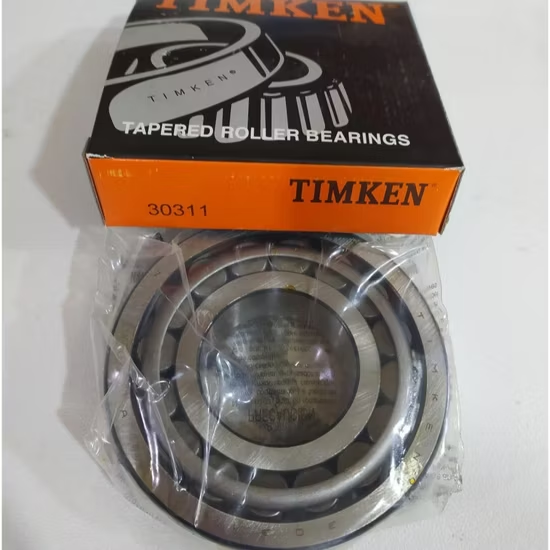
We maintain authorized distribution channels across major global brands, ensuring your mixed-brand orders are fulfilled with genuine, traceable components. Cross-referencing the 30311 and 30312 equivalents involves checking clearance, cage material, and precision suffixes, not just the base number. Every shipment includes batch traceability to the manufacturer, eliminating the risk of counterfeit soft inner rings that plague the heavy machinery repair market. Our technical team reviews your application parameters to confirm the selection before dispatch, preventing costly field mismatches.
To ensure optimal performance, provide our technical team with your specific radial and axial load profiles, operating speeds, and thermal conditions. Supplying the original OEM equipment numbers allows us to perform a comprehensive cross-reference check against the 30311 and 30312 equivalents. This data enables us to verify the L10 life expectancy and confirm the exact internal geometry required for your machinery.
Q: How do I verify the authenticity of the received components?
A: Every unit ships with official traceability documents and a unique QR code. Scanning this code through the manufacturer's official application confirms the genuine origin, production batch, and material specifications, effectively eliminating the risk of installing counterfeit parts with soft inner rings.
Q: Why is cross-referencing more complex than matching the base number?
A: Base numbers often ignore critical internal variations. A proper cross-reference to the 30311 or 30312 must account for clearance classes, cage materials, and precision grades. Overlooking these suffixes leads to thermal binding or cage failure when the replacement does not match the equipment's actual operational demands.
Q: How do I choose between nylon, brass, and iron cage materials?
A: The selection depends on your specific operating environment. Brass cages withstand heavy loads and high vibration, nylon reduces friction for moderate speeds, and iron offers robust shock resistance. We evaluate your speed and temperature parameters to recommend the optimal variant for your application.
Q: What does the unverified suffix in the designation mean for my order?
A: An unverified suffix indicates a specialized internal design or pairing arrangement that requires confirmation against the specific manufacturer's catalog. We cross-check this designation against your equipment's OEM requirements to ensure the internal geometry perfectly matches your assembly before shipping.
Our 5-step process ensures every order is engineered, validated, and supported for optimal performance.
Technical needs assessment
Custom specifications
Free samples for $50k+
Pre-shipment inspection
On-site & predictive
Our certified engineers respond within 24 hours with detailed technical specifications, pricing, and lead time information.