01
Consultation
Technical needs assessment

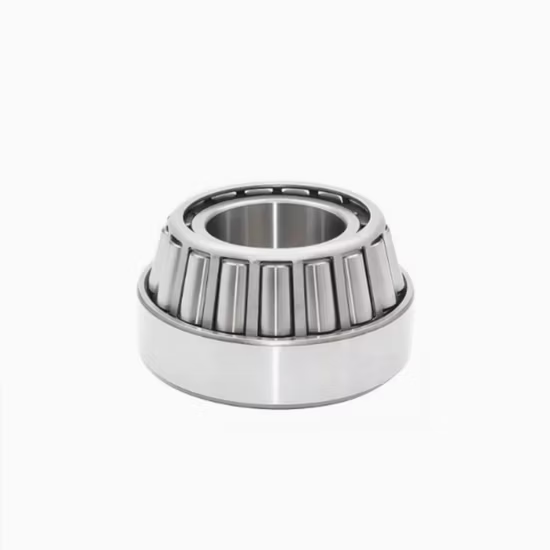
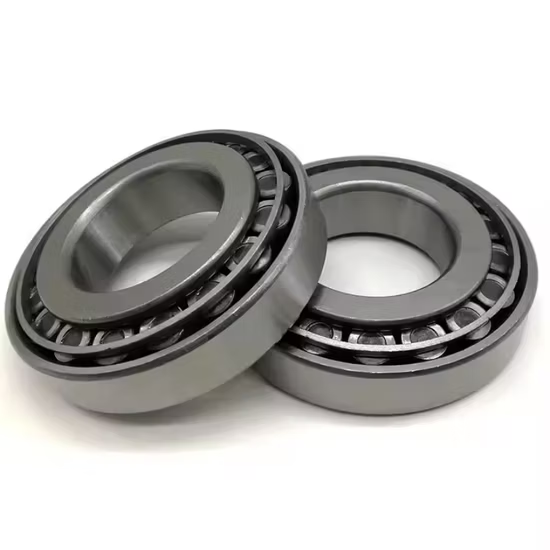
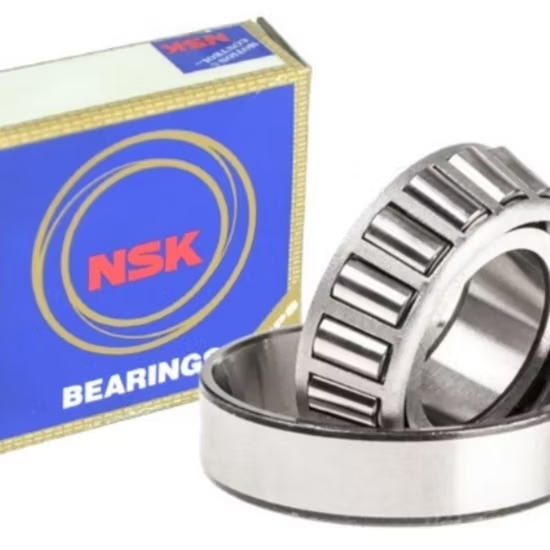
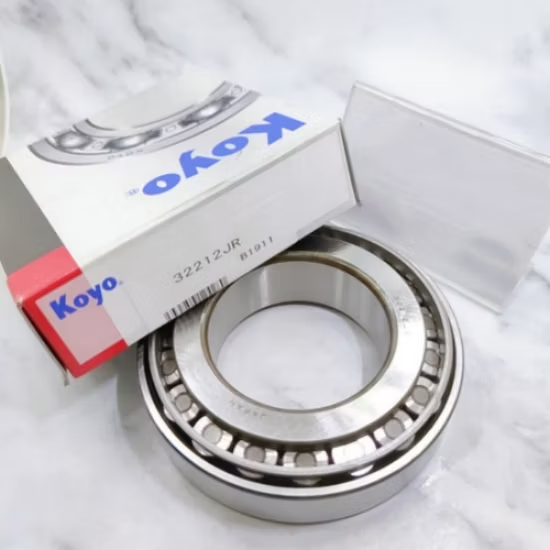

30309 Single Row Tapered Roller Bearing P4 — engineered with GCr15 bearing steel to handle combined radial and unidirectional axial loads in automotive wheel hubs and industrial gearboxes.
Traceable Batch Origins — Every 30309 single row tapered roller bearing ships with manufacturer lot documentation to verify its production lineage and material authenticity.
| Parameter | Value |
|---|---|
| Designation | 30309 |
| Bearing Type | Tapered Roller Bearing |
| Number of Rows | Single Row |
| Precision Class | P4 |
| Cage Material | Nylon, Brass, or Iron options |
| Material | GCr15 bearing steel |
| Origin | Germany, Japan, Sweden, Malaysia, or China |
Note: The "d" suffix occasionally seen in cross-referenced titles is unverified and requires specific manufacturer catalog confirmation before procurement.
| Industry | Typical Applications |
|---|---|
| Automotive & Heavy Vehicles | Wheel hubs, truck axles, differential assemblies |
| Industrial Machinery | Heavy-duty gearboxes, material handling conveyors |
| Manufacturing & Processing | Rolling mill stands, crusher drives |
Matching the base designation is only the first step in avoiding catastrophic drivetrain failures.
Procurement engineers often source a 30309 single row tapered roller bearing based solely on the numeric sequence, overlooking critical internal geometry differences. In high-temperature differential environments, ignoring cage material or clearance specifications leads to thermal binding and eventual seizure. We frequently see aftermarket replacements fail because the internal design was optimized for light loads rather than the heavy shock loads typical in truck axles.
Selecting the correct 30309 single row tapered roller bearing requires matching the internal contact angle and cage design to the specific axle or gearbox loads. Our technical review process cross-references OEM equipment numbers to ensure the selected variant handles the combined radial and axial forces without premature wear. This prevents the common pitfall of installing a standard clearance unit where thermal expansion demands a specific clearance class.
Truck axles and industrial gearboxes subject tapered roller bearings to severe shock loads and fluctuating temperatures. The lubrication film must remain stable under heavy unidirectional axial thrust, while the cage material must withstand high-speed shear forces without degrading. Inadequate sealing or incorrect clearance allows contaminant ingress and thermal expansion to compromise the rolling elements, ultimately leading to spalling or cage fracture.
The P4 precision rating ensures tighter dimensional and running accuracy, which is critical for maintaining gear mesh alignment in high-speed industrial gearboxes. GCr15 bearing steel provides the necessary hardenability and wear resistance to endure continuous rolling contact stress. Depending on the operating temperature and speed requirements, the cage material can be specified in nylon for reduced friction, brass for high-temperature stability, or iron for heavy-load durability.
Installing a bearing that matches the base number but lacks the correct internal geometry or clearance class results in unplanned downtime and catastrophic damage to the surrounding housing. When thermal binding occurs due to incorrect clearance, the resulting friction can weld the rolling elements to the raceway, destroying the entire axle assembly. Such failures not only void equipment warranties but also incur massive costs in emergency freight and lost production time.
Our cross-reference alignment covers internal design, cage material, and precision, ensuring the 30309 single row tapered roller bearing you receive matches the exact application requirements. We provide authorized coverage across all major international brands, allowing you to consolidate mixed-brand requirements into a single, traceable order. Every shipment includes batch traceability to the manufacturer, supported by QR verification through official brand apps to eliminate the risk of cloned counterfeits. Furthermore, our application-based selection review evaluates your specific load, speed, and temperature conditions to prevent mismatched suffixes from reaching your workshop.
To ensure optimal performance, please provide your specific radial and axial load profiles, operating speeds, and ambient temperature ranges. Sharing the OEM equipment number or existing bearing suffixes allows our engineering team to perform a precise cross-reference and L10 life calculation. This technical review guarantees the selected configuration aligns perfectly with your drivetrain or gearbox requirements.
Q: How can I verify the authenticity of the delivered bearings?
A: Every unit includes batch and lot traceability documentation. You can scan the provided QR codes using the official brand applications to verify the manufacturing origin and confirm the bearing is a genuine product, completely eliminating the risk of cloned counterfeit parts entering your maintenance inventory.
Q: What cross-reference checks are critical when replacing OEM units?
A: Beyond matching the base designation, you must verify the internal design, cage material, and precision class. A base number match that ignores these factors can lead to thermal binding or cage failure under heavy loads. Our technical team reviews these parameters against your specific application to ensure exact alignment.
Q: When is P4 precision required over standard grades?
A: Higher running accuracy is essential in applications like high-speed industrial gearboxes or precision spindles where tight dimensional tolerances minimize vibration and heat generation. Using standard precision in these environments often results in premature wear and compromised gear mesh alignment.
Q: How do I select the right cage material for my application?
A: Nylon cages offer low friction for high-speed applications, brass provides excellent stability at elevated temperatures, and iron cages handle extreme heavy loads. The choice depends on your specific operating temperature, speed, and load conditions, which our engineering team can help evaluate.
Q: What mounting practices are recommended for tapered roller bearings?
A: Proper installation requires controlled induction heating for the rings to ensure even thermal expansion without damaging the cage. It is also crucial to set the correct internal clearance during mounting and use compatible lubricants to prevent chemical degradation of the cage material.
Our 5-step process ensures every order is engineered, validated, and supported for optimal performance.
Technical needs assessment
Custom specifications
Free samples for $50k+
Pre-shipment inspection
On-site & predictive
Our certified engineers respond within 24 hours with detailed technical specifications, pricing, and lead time information.