01
Consultation
Technical needs assessment

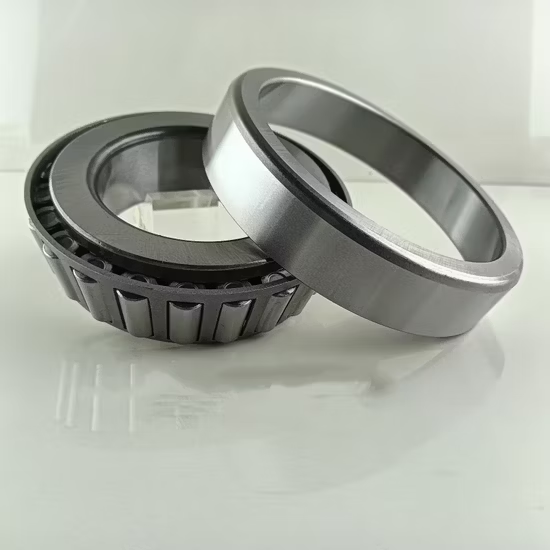
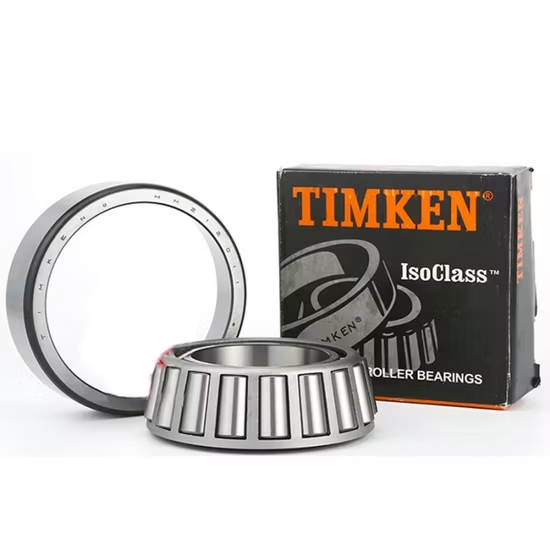
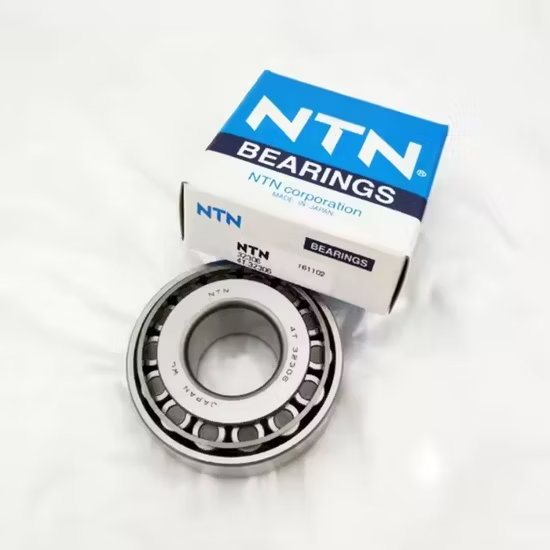
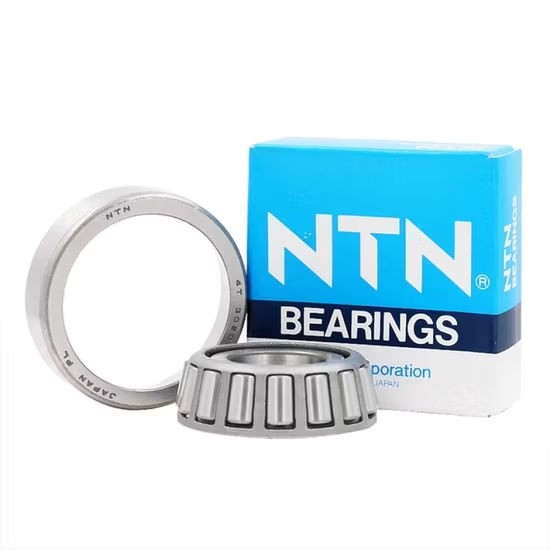
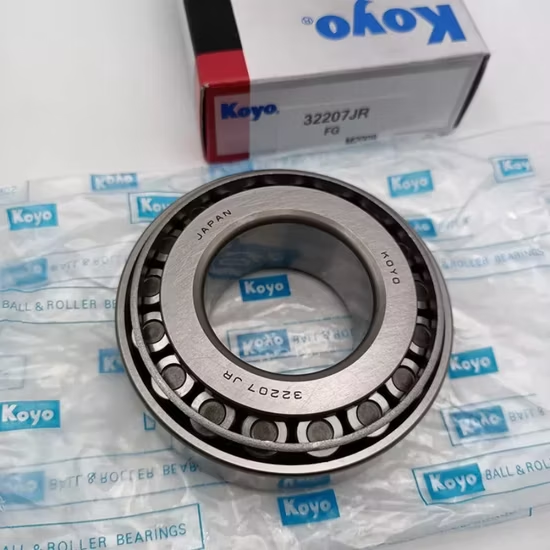
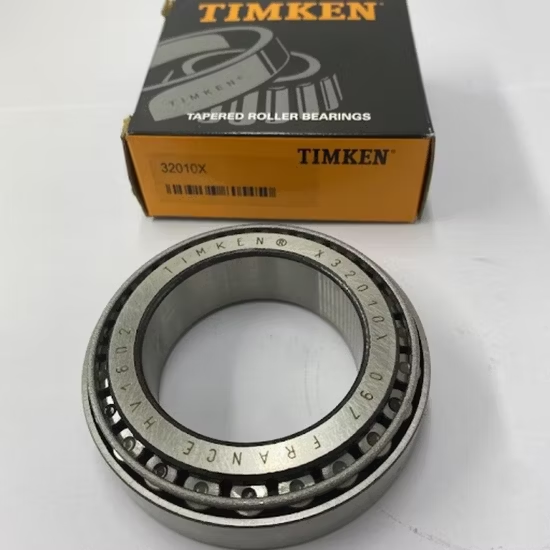
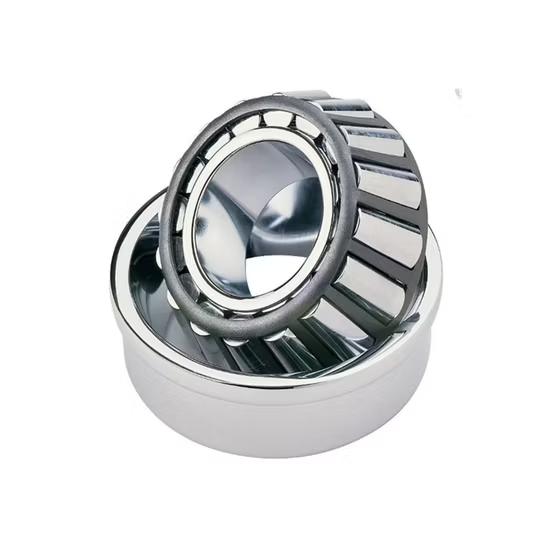
33221 33222 33223 33224 33225 Tapered Roller Bearing P4 — Single row GCr15 steel construction handles combined radial and axial loads effectively. P4 precision class delivers tighter dimensional and running accuracy for demanding industrial gearboxes and automotive wheel hubs.
Traceable Batch Origins — Every shipment of these metric tapered units includes manufacturer lot codes verifiable through official brand applications, ensuring zero counterfeit infiltration in heavy-duty supply chains.
| Parameter | Value |
|---|---|
| Designation | 33221 33222 33223 33224 33225 |
| Bearing Type | Tapered Roller Bearing |
| Number of Rows | Single Row |
| Precision Class | P4 |
| Material | GCr15 High-Carbon Chromium Bearing Steel |
| Cage Material Options | Nylon, Brass, or Iron |
| Internal Design | Standard (CN Clearance Implied) |
| Origin Options | Germany, Japan, Sweden, Malaysia, China |
| Industry | Typical Applications |
|---|---|
| Industrial Gearboxes | Heavy-duty reduction gear pinion shafts and output stage support |
| Automotive & Heavy Vehicle | Truck axle wheel hubs and differential carrier assemblies |
| Building Material Shops | Conveyor drive pulleys and rotary kiln support trunnions |
| Manufacturing Plant | Press machine eccentric shafts and heavy crane slewing drives |
A matching part number does not guarantee a matching internal geometry.
Sourcing teams frequently approve replacements based solely on the basic dimension series, overlooking critical precision suffixes and cage materials. In high-temperature environments like cement kilns or mining crushers, installing a standard precision unit where P4 tolerance is required leads to rapid thermal binding. I have witnessed entire production lines halt because a cross-reference matched the bore and outside diameter perfectly, yet the internal contact angle and cage design were entirely wrong for the specific axial load profile . Securing the exact 33221 33222 33223 33224 33225 tapered roller bearing configuration prevents these catastrophic field failures.
Matching the correct configuration for your drivetrain requires looking past the basic dimension series. We review your specific application parameters to ensure the 33221 33222 33223 33224 33225 tapered roller bearing selection aligns with your operational demands. Our technical team cross-references OEM equipment numbers to verify that the precision class and cage material perfectly match the original design intent, eliminating guesswork from your procurement process.
Operating heavy machinery under continuous combined loads generates immense internal friction and heat. If the internal clearance is too tight for the operating temperature, thermal expansion eliminates the running gap, causing the rollers to skid and the cage to disintegrate. Proper lubrication selection is equally critical; heavy viscosity oils are necessary to maintain the elastohydrodynamic film between the rollers and raceways under extreme pressure . Selecting the appropriate cage material further dictates how well the bearing retains lubricant and resists centrifugal forces at elevated rotational speeds.
The GCr15 high-carbon chromium steel provides the necessary core hardness and uniform microstructure required to withstand severe shock loads typical in off-highway vehicles. Achieving P4 precision ensures tighter dimensional and running accuracy compared to standard grades, which is vital for minimizing vibration in high-speed gearboxes. The available cage options serve distinct operational niches: nylon cages offer low friction and quiet operation at moderate temperatures, brass cages provide superior durability and heat dissipation under heavy loads and vibration, while iron cages deliver a cost-effective solution for standard industrial applications.
Relying on incomplete cross-references often results in premature spalling and catastrophic raceway cracking. When a standard clearance unit is forced into an application demanding thermal expansion allowances, the resulting preload drastically reduces the L10 fatigue life. Such failures trigger unplanned downtime, void equipment warranties, and cause secondary damage to adjacent shafts and housings. Following ISO 281 calculation frameworks reveals how even minor deviations in internal geometry exponentially accelerate material fatigue under combined loading conditions .
Our authorization across major global brands allows us to fulfill mixed-brand requirements in a single shipment, eliminating supply chain fragmentation. We strictly verify that cross-references account for cage material and precision suffixes, not just the base designation, preventing the thermal binding issues I frequently see in desert mining operations. Every batch is traced back to the manufacturer with QR verification, ensuring you never receive counterfeits with soft inner rings. Furthermore, our application-based selection review covers your specific load, speed, and temperature conditions to validate the engineering choices before the order is placed.
To facilitate an accurate technical review, please provide the specific radial and axial load profiles, operating speeds, and continuous temperature ranges of your application. Sharing the exact OEM equipment numbers or housing dimensions allows our engineering team to perform a precise cross-reference check and L10 life calculation. This data ensures the recommended configuration perfectly matches your mechanical requirements without requiring physical teardowns.
Q: How do we align clearance and precision when cross-referencing these tapered models?
A: Cross-referencing requires matching the internal geometry, cage material, and precision class, not just the base dimension numbers. A standard replacement might fit the shaft but fail thermally if the application demands P4 precision and specific internal clearances. We review your exact OEM specifications to ensure the replacement handles the combined loads and thermal expansion correctly.
Q: What dictates the selection between nylon, brass, and iron cages for these applications?
A: The choice depends on your operating temperature, load severity, and vibration levels. Nylon cages reduce friction and noise in moderate conditions, while brass cages offer superior heat dissipation and structural integrity under heavy shock loads and high vibration. Iron cages provide a reliable, cost-effective alternative for standard industrial gearboxes with stable operating environments.
Q: How can we verify the batch authenticity and P4 precision claims before installation?
A: Every shipment includes manufacturer lot traceability codes and official QR verification accessible through brand applications. We also supply dimensional and running accuracy inspection reports that confirm the P4 precision tolerances. This documentation guarantees the metallurgical integrity and geometric accuracy of the units before they are mounted in critical machinery.
Q: What are the most common failure modes for single-row tapered bearings in heavy gearboxes?
A: Premature failures typically stem from thermal binding due to incorrect internal clearance, cage disintegration from inadequate lubrication, or raceway spalling caused by misalignment. When the internal geometry does not match the specific axial and radial load combination, the rollers skid, generating excessive heat that rapidly degrades the GCr15 steel and destroys the bearing assembly.
Our 5-step process ensures every order is engineered, validated, and supported for optimal performance.
Technical needs assessment
Custom specifications
Free samples for $50k+
Pre-shipment inspection
On-site & predictive
Our certified engineers respond within 24 hours with detailed technical specifications, pricing, and lead time information.