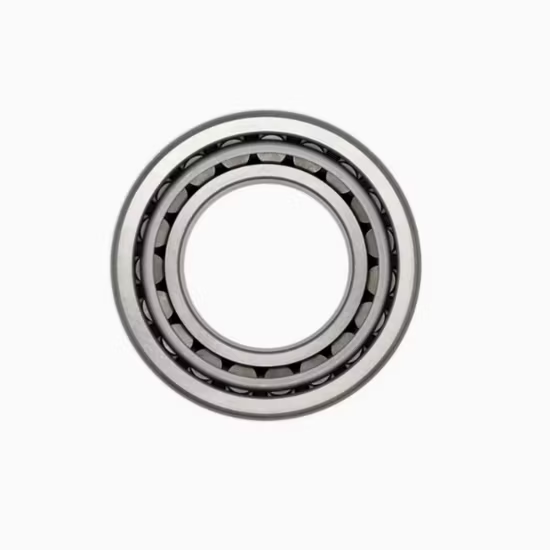
01
Consultation
Technical needs assessment


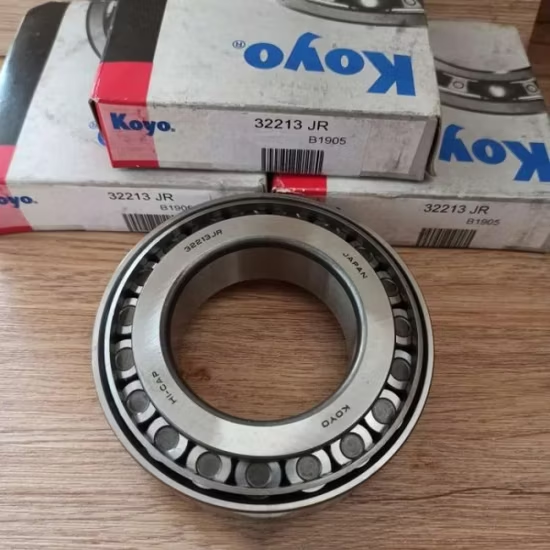
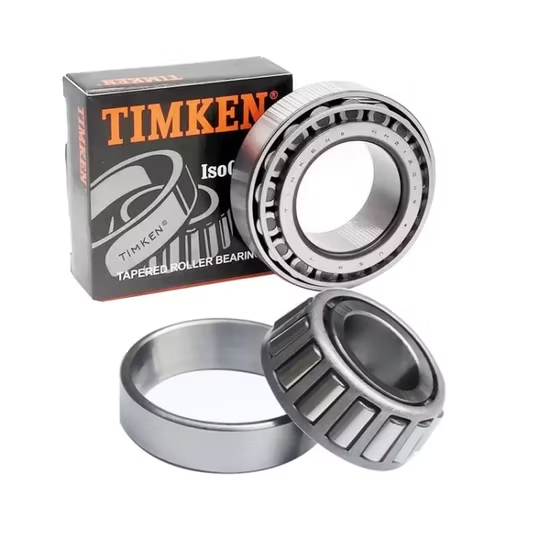
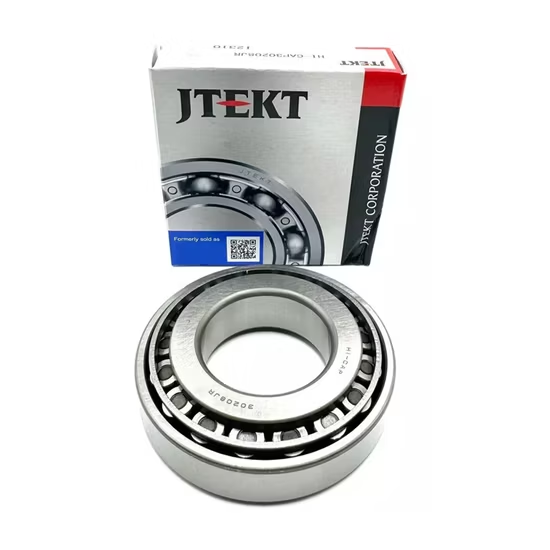

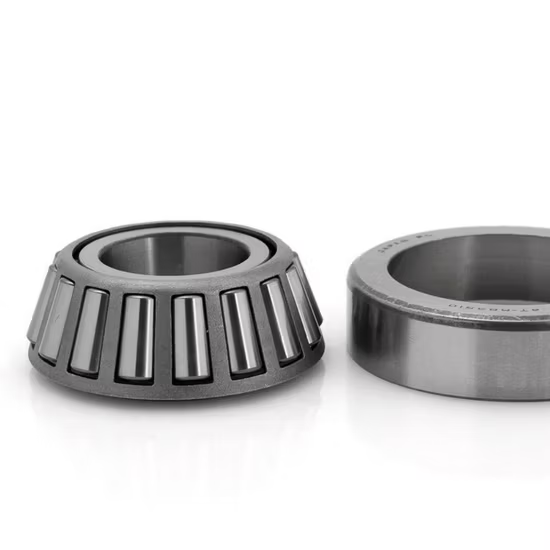
30200 30201 Tapered Roller Bearing P4 Precision — manufactured from Gcr15 bearing steel for reliable wear resistance under combined radial and axial loads. The P4 precision class ensures tighter dimensional and running accuracy for industrial gearboxes and automotive wheel hubs. Single-row design supports versatile mounting arrangements. Every order ships with material test reports and dimensional inspection certificates to guarantee exact specification compliance.
Three-Point Cross-Reference Alignment — We verify base designation, precision class, and cage material simultaneously to prevent mismatched replacements in heavy-duty drivetrains.
| Parameter | Value |
|---|---|
| Designation | 30200 30201 |
| Bearing Type | Tapered Roller Bearing |
| Number of Rows | Single Row |
| Precision Class | P4 |
| Material | Gcr15 high-carbon chromium bearing steel |
| Cage Material | Available in nylon, brass, or pressed iron variants |
| Origin | Shanghai |
| Industry | Typical Applications |
|---|---|
| Automotive & Heavy Transport | Truck axles and heavy vehicle wheel hubs |
| Industrial Power Transmission | Industrial gearboxes and reduction drives |
| Marine Engineering | Marine propulsion drives and shaft supports |
| Construction & Manufacturing | Building material processing machinery |
Matching the base number is only the first step; ignoring precision and cage variables destroys reliability.
Sourcing a 30200 30201 tapered roller bearing based solely on the basic designation often leads to catastrophic field failures. I have seen countless gearboxes seize because a standard P0 grade was installed where P4 precision was required, or because a nylon cage was used in an application demanding the thermal stability of brass. These cross-reference errors bypass casual visual inspections but quickly manifest as thermal binding or cage disintegration under heavy combined loads . Procurement teams frequently overlook these critical suffixes and internal design variations, resulting in unplanned downtime that far exceeds the initial component cost.
Selecting the correct 30200 30201 tapered roller bearing requires aligning the P4 precision rating with the specific operational demands of the equipment. In high-speed gearboxes or marine drives, tighter dimensional and running accuracy minimizes vibration and heat generation. Our technical review process ensures that the specified precision class perfectly matches the OEM requirements, preventing the micro-vibrations that accelerate fatigue in adjacent components.
Tapered roller bearings are engineered to handle significant radial and axial loads simultaneously, but the operational environment dictates the internal setup. High operating temperatures can alter internal clearance, making the selection of the appropriate cage material critical for heat dissipation and structural integrity. Furthermore, lubrication intervals must be calibrated to the specific cage type and seal configuration to prevent contamination ingress in harsh environments like building material processing plants .
The Gcr15 material provides the foundational hardness and wear resistance necessary for heavy-duty applications, reaching the standard HRC58-62 hardness range for optimal load distribution . The P4 precision class ensures tighter tolerances compared to standard commercial grades, which is essential for maintaining gear mesh alignment in industrial gearboxes. Depending on the operational speed and temperature, buyers can select from nylon, brass, or iron cage options; brass offers superior durability under high vibration, while nylon provides quieter operation at moderate temperatures. Understanding these material and precision variables allows engineers to optimize the bearing for specific shock loads and continuous duty cycles.
Installing a bearing with incorrect internal clearance or an incompatible cage material inevitably leads to premature failure and catastrophic damage to the shaft and housing. When a component fails before its calculated L10 life, the resulting unplanned downtime and secondary equipment repairs void warranties and severely impact production schedules. Adhering to failure analysis frameworks highlights that a significant share of these premature failures stems directly from specification mismatches rather than inherent manufacturing defects .
We differentiate our supply chain by enforcing strict cross-reference alignment on every order, ensuring the clearance, cage material, and precision match your exact OEM requirements. For tapered roller bearings, we specifically verify the cage material against the application's thermal profile, preventing the common error of substituting brass with pressed steel in high-heat environments. Every batch is backed by full traceability to the manufacturer, eliminating the risk of counterfeits with soft inner rings that pass casual visual checks. Our application-based selection review covers load, speed, and mounting conditions to guarantee the delivered component is engineered for your specific operational reality.
To ensure precise application matching, please provide your operational parameters including radial and axial loads, operating speeds, and ambient temperatures. Sharing the specific OEM equipment number allows our engineering team to perform a comprehensive cross-reference review and L10 life calculation. Detailing the environmental conditions, such as exposure to dust or moisture, helps us recommend the optimal cage material and sealing arrangement for your machinery.
Q: How do I verify the authenticity and batch traceability of these bearings?
A: Every shipment includes a Certificate of Conformity and batch traceability documentation. You can scan the provided QR codes using the manufacturer's official mobile applications to instantly verify the origin, material composition, and production date, ensuring you receive genuine components free from counterfeit risks.
Q: Why must clearance and cage material align during cross-referencing?
A: Matching only the base designation ignores critical internal geometry. Incorrect clearance causes thermal binding under load, while the wrong cage material fails under specific vibration or temperature profiles. Aligning these parameters ensures the bearing withstands the exact operational stresses of your equipment without premature degradation.
Q: What are the differences between the available cage materials?
A: Nylon cages offer quiet operation and lower friction at moderate speeds. Brass cages provide exceptional durability and heat dissipation for high-vibration, heavy-load environments. Pressed iron cages serve as a cost-effective solution for standard industrial applications where extreme thermal or shock loads are not present.
Q: How does P4 precision benefit industrial gearbox applications?
A: P4 precision guarantees tighter dimensional and running accuracy compared to standard P0 grades. This exactness minimizes internal vibration, maintains precise gear mesh alignment, and reduces heat generation, ultimately extending the operational lifespan of both the bearing and the surrounding gearbox components.
Q: What mounting practices are recommended for single-row tapered designs?
A: Proper mounting requires precise shaft and housing tolerances to match the P4 precision class. We recommend using induction heating for the inner ring to avoid mechanical damage, followed by meticulous adjustment of the internal clearance during assembly to ensure optimal load distribution and prevent axial play.
Our 5-step process ensures every order is engineered, validated, and supported for optimal performance.
Technical needs assessment
Custom specifications
Free samples for $50k+
Pre-shipment inspection
On-site & predictive
Our certified engineers respond within 24 hours with detailed technical specifications, pricing, and lead time information.