01
Consultation
Technical needs assessment

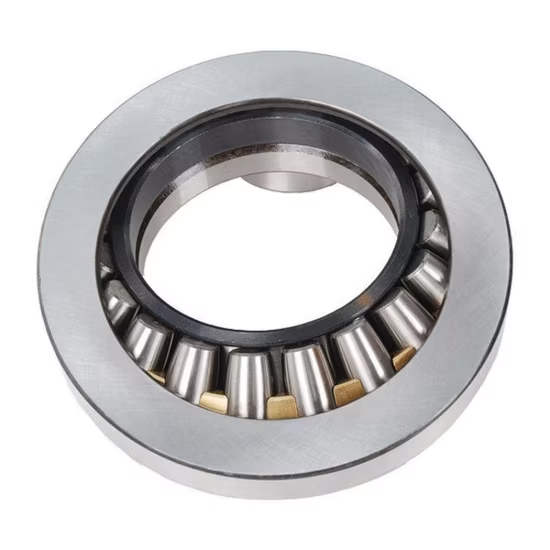
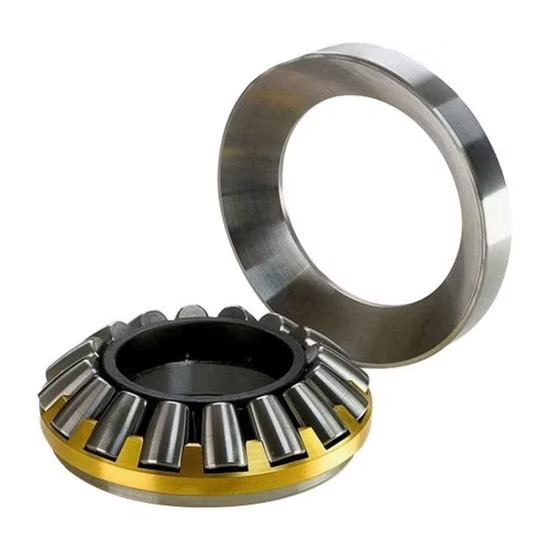
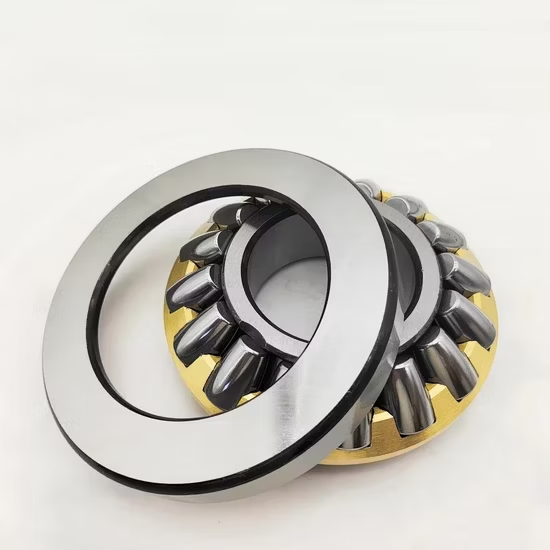
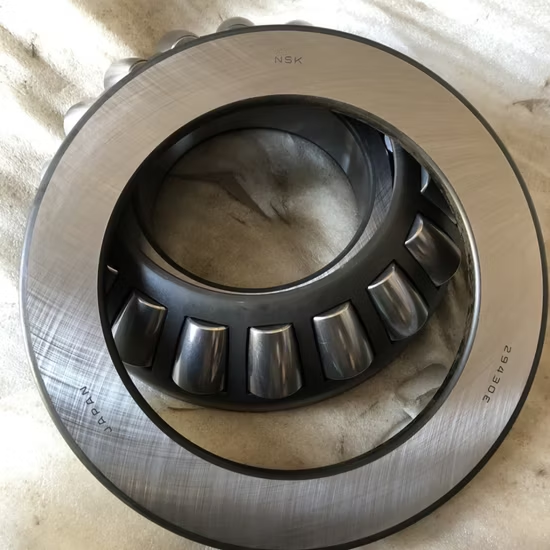
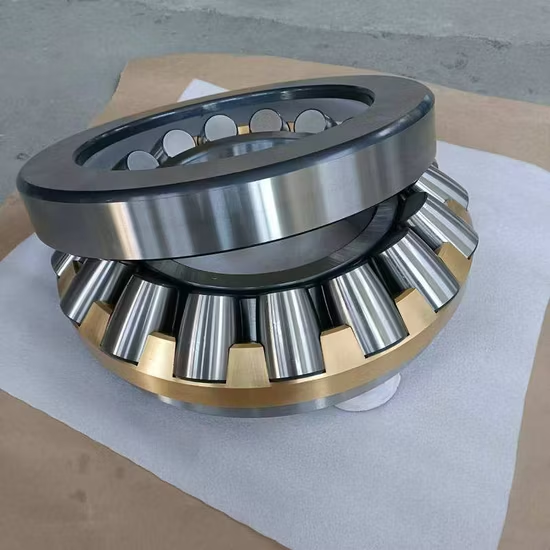
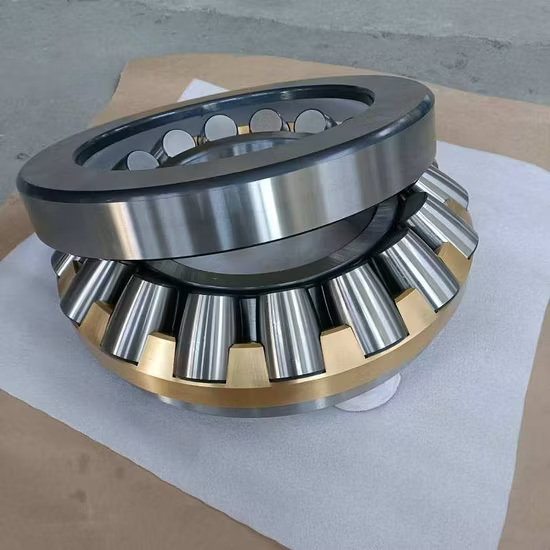
29412 Spherical Thrust Roller Bearing 60×130×42 mm — engineered for heavy axial loads in vertical shaft orientations.
Verify batch authenticity through the manufacturer's official QR app before commissioning.
Traceable Factory Batches — Every 29412 spherical thrust roller bearing ships with manufacturer lot documentation verifiable through official brand applications, ensuring complete supply chain transparency.
| Parameter | Value |
|---|---|
| Designation | 29412 |
| Bearing Type | Spherical Thrust Roller Bearing |
| Bore Diameter (d) | 60 mm |
| Outside Diameter (D) | 130 mm |
| Width (T) | 42 mm |
| Cage Material | Machined brass (standard for heavy axial loads) |
| Seal or Shield Type | Open (requires external housing sealing) |
| Bore Type | Cylindrical |
| Origin | Manufacturer's production facilities |
| Industry | Typical Applications |
|---|---|
| Electric Motors | Vertical motor shaft support and axial locating |
| Material Handling | Crane hook blocks and heavy hoisting mechanisms |
| Plastics & Rubber | Extruder screws and injection molding clamp units |
| Industrial Gearboxes | Heavy-duty vertical gearbox shaft positioning |
Misidentifying spherical geometry as flat raceways guarantees rapid thermal binding under dynamic misalignment.
Sourcing teams frequently treat the 29412 spherical thrust roller bearing as a conventional flat thrust washer, ignoring its self-aligning capability. I witnessed this exact procurement error in Shenzhen when a maintenance crew installed rigid flat thrust washers into a vertical motor housing. The minor shaft deflection caused uneven load distribution, leading to localized overheating and complete axial seizure within days. The self-aligning seat of the spherical design is not an optional upgrade; it is a strict mechanical requirement to absorb housing bore misalignments and prevent catastrophic cage failure .
Selecting the correct 29412 spherical thrust roller bearing requires understanding that vertical shafts experience continuous axial loading combined with minor radial deflections. Our technical review process cross-references the specific equipment OEM drawings to ensure the spherical housing washer matches the seating geometry, preventing the edge-loading that destroys rigid alternatives.
Vertical orientations complicate lubrication retention and heat dissipation. The open design of this bearing demands a properly engineered housing bath or directed oil flow to maintain film thickness across the asymmetrical rollers. Without adequate flow, friction generates excessive heat, altering the internal clearance and accelerating wear .
The core engineering advantage lies in the sphered raceway on the housing washer, which accommodates angular misalignment between the shaft and housing. The machined brass cage is essential here; it provides the structural rigidity needed to guide the heavy, asymmetrical rollers under pure axial loads, a task that stamped steel cages cannot reliably perform in high-vibration vertical motor environments.
Substituting a genuine spherical design with a rigid flat thrust bearing to save on initial procurement costs inevitably triggers unplanned downtime. The resulting edge stresses fracture the raceways and destroy the cage, often damaging the adjacent shaft journal and housing seat. This cascading mechanical damage voids equipment warranties and transforms a simple bearing replacement into a major assembly rebuild .
Counterfeit suppliers often machine soft inner rings and clone QR codes, but they rarely replicate the complex spherical raceway geometry accurately. We source strictly through authorized distribution networks, ensuring the 29412 spherical thrust roller bearing you receive features the correct metallurgical hardness and precise sphered contours. Our cross-reference verification checks the internal profile, not just the basic designation, guaranteeing the self-aligning function performs as engineered.
To ensure precise application matching, please provide the continuous and intermittent axial loads, operating speeds, and expected housing misalignment angles. Supplying the specific vertical motor OEM equipment number allows our engineering team to perform a comprehensive cross-reference review and confirm the L10 life calculation for your exact operating parameters.
Q: How can I verify the authenticity of the 29412 bearing upon delivery?
A: Scan the manufacturer's QR code using the official brand application to confirm the batch matches the physical unit. We also provide a Certificate of Conformity and dimensional inspection reports that validate the specific lot number and confirm the critical spherical raceway tolerances meet factory specifications.
Q: Why is the spherical housing washer critical for vertical motor applications?
A: Vertical motor shafts often experience minor deflections and housing misalignments. The sphered raceway allows the bearing to self-align, distributing the heavy axial load evenly across all rollers. Using a rigid flat thrust bearing in this application causes severe edge-loading and rapid thermal failure.
Q: What are the most common cross-reference errors for this designation?
A: Buyers often match the base 60x130x42mm dimensions but overlook the internal geometry, accidentally ordering rigid thrust washers instead of the self-aligning spherical design. We verify the exact internal profile and cage type to ensure the replacement matches the OEM equipment requirements perfectly.
Q: How should the open bearing design be lubricated in a vertical setup?
A: The open configuration requires a continuous oil bath or directed circulation system within the motor housing to maintain an adequate lubricant film. Gravity naturally pulls oil away from the upper raceways in vertical shafts, making proper housing design and flow rates critical for preventing roller skidding.
Q: What mounting practices protect the self-aligning function during installation?
A: The housing seat must be machined to the correct spherical radius and kept perfectly clean. Any debris or burrs between the housing washer and the seat will lock the bearing, completely disabling the self-aligning capability and transferring destructive misalignment forces directly to the rollers and cage.
Our 5-step process ensures every order is engineered, validated, and supported for optimal performance.
Technical needs assessment
Custom specifications
Free samples for $50k+
Pre-shipment inspection
On-site & predictive
Our certified engineers respond within 24 hours with detailed technical specifications, pricing, and lead time information.