01
Consultation
Technical needs assessment


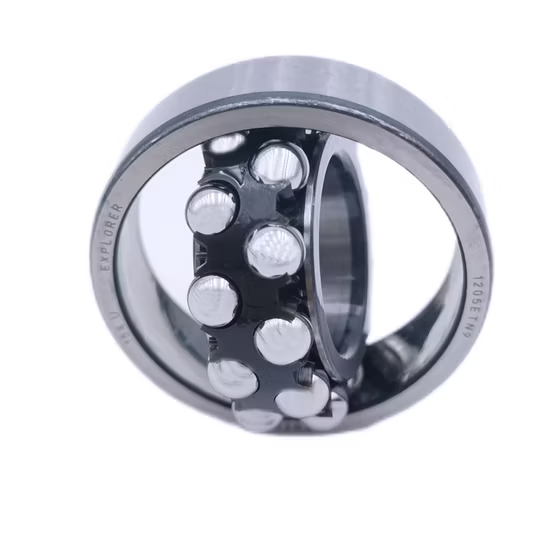

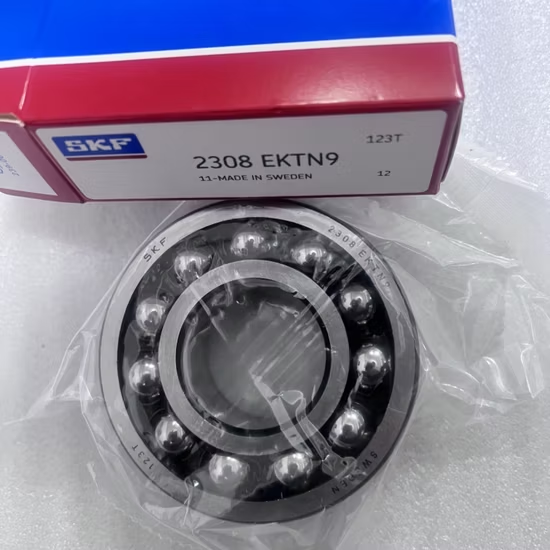


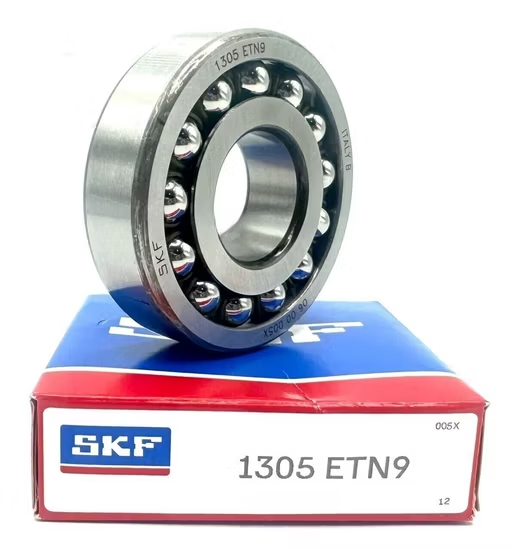
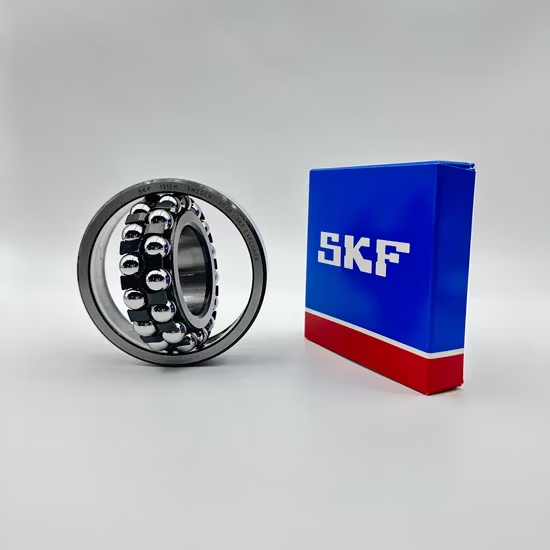
2309 Double Row Self-Aligning Ball Bearing — open type without seals, requiring external lubrication and sealing arrangements for optimal performance.
Multi-brand authorized coverage — source genuine 2309 units across major international manufacturers from a single consolidated shipment without juggling multiple vendors.
| Parameter | Value |
|---|---|
| Designation | 2309 |
| Bearing Type | Self-Aligning Ball Bearing |
| Number of Rows | Double Row |
| Seal or Shield Type | Open / Without Seal |
| Precision Class | Normal (P0) |
| Cage Material | Pressed steel, machined brass, or polyamide options |
| Clearance Class | CN, C3, C4 options available |
| Feature | Low Noise, High Speed, Long Service Life |
| HS Code | 848210 |
| Industry | Typical Applications |
|---|---|
| Agricultural Machinery | Harvester threshing cylinders and tractor steering linkage pivots |
| Material Handling | Conveyor belt return idlers and hoist drum support shafts |
| General MRO | Exhaust fan shafts and industrial blower assemblies |
| Electric Motors | Rotor shafts in small to medium motors experiencing slight misalignment |
| Textile Machines | Spindle drive supports and yarn guide roller journals |
Thermal expansion binds the internal clearance long before the outer ring reaches its mechanical limit.
Procurement teams often approve a base designation match while overlooking the critical clearance suffix, leading to catastrophic thermal binding in elevated temperature environments. I witnessed this exact failure mode transition from the inspection bench to the trading floor in Shandong, where a batch of these bearings with standard clearance seized on a high-temperature fan shaft because the cross-reference ignored the thermal expansion requirements. When the internal geometry lacks the necessary operational gap, friction generates runaway heat, ultimately destroying the cage and scoring the raceway .
The self-aligning capability effectively compensates for minor shaft deflections and housing misalignments, but it cannot overcome a fundamentally mismatched internal clearance. We review your specific operating temperatures and shaft fits to ensure the selected clearance class prevents internal preload during thermal growth. This application-based selection review guarantees the bearing performs reliably under your exact dynamic conditions.
Operating an open-type bearing in agricultural or material handling environments exposes the rolling elements to abrasive dust and moisture ingress. Without integrated rubber or iron seals, the equipment design must incorporate effective external labyrinth seals or regular purging cycles to prevent contamination. Lubrication strategy becomes equally critical; oil bath or circulating oil systems are often necessary to flush out particulates, whereas grease lubrication requires strict re-lubrication intervals to maintain a protective film .
The absence of a seal designation confirms an open architecture, facilitating heat dissipation and allowing for external lubrication routing in high-speed applications. While the base model defaults to normal precision and standard clearance, substituting a CN clearance where a C3 is required for thermal expansion will cause immediate operational binding. Similarly, selecting a polyamide cage instead of a machined brass variant in high-vibration textile machinery can lead to premature cage fatigue. Understanding these suffix variations ensures the internal design matches the equipment's thermal and mechanical profile.
Relying solely on a basic number match while ignoring internal design variations frequently results in unplanned downtime and premature failure. A mismatched cage material or incorrect clearance class alters the load distribution, accelerating surface fatigue and potentially causing catastrophic damage to adjacent shaft components. These hidden selection errors void equipment warranties and inflate maintenance budgets far beyond the initial procurement savings .
Sourcing from an authorized multi-brand network ensures that every mixed-brand requirement is fulfilled with traceable documentation, eliminating the risk of counterfeit soft inner rings. We align cross-references based on exact clearance, cage material, and precision suffixes rather than just the base number, preventing the thermal binding issues common in generic substitutions. Our technical team provides application-based selection reviews covering load, speed, and temperature to validate your engineering requirements before shipment.
Share your specific radial and axial load profiles, operational speeds, and ambient temperature ranges so our engineering team can validate the L10 life and confirm the optimal clearance class. If you are replacing an existing unit, provide the OEM equipment number or the exact suffix string from the old nameplate for a precise cross-reference review. This technical validation ensures the supplied bearing perfectly aligns with your machinery's mechanical and thermal demands.
Q: How do I verify the authenticity of the 2309 double row self-aligning ball bearing upon delivery?
A: Every unit is supplied with batch traceability documentation and a unique QR code. You can scan this code using the manufacturer's official mobile application to instantly verify the origin and production details, ensuring the open-type bearing is genuine and not a counterfeit with cloned packaging.
Q: Why is it critical to match the clearance suffix during cross-referencing?
A: Matching only the base number while ignoring the clearance suffix often leads to thermal binding. If your application involves elevated temperatures, a standard CN clearance will expand and seize, whereas a C3 or C4 clearance provides the necessary internal gap to compensate for thermal growth and maintain smooth operation.
Q: What are the maintenance requirements for an open-type self-aligning bearing?
A: Without integral rubber or iron seals, the open design relies entirely on the equipment's external sealing mechanisms to block contaminants. It requires strict adherence to re-lubrication schedules and regular flushing to remove abrasive particles, ensuring the rolling elements remain protected in dusty agricultural or material handling environments.
Q: How does cage material selection impact the performance of this bearing?
A: The cage material dictates the bearing's speed limit and vibration resistance. While pressed steel cages are suitable for standard applications, high-speed electric motors or high-vibration textile machines may require machined brass or polyamide cages to prevent premature fatigue and ensure structural integrity under dynamic loads.
Our 5-step process ensures every order is engineered, validated, and supported for optimal performance.
Technical needs assessment
Custom specifications
Free samples for $50k+
Pre-shipment inspection
On-site & predictive
Our certified engineers respond within 24 hours with detailed technical specifications, pricing, and lead time information.