01
Consultation
Technical needs assessment

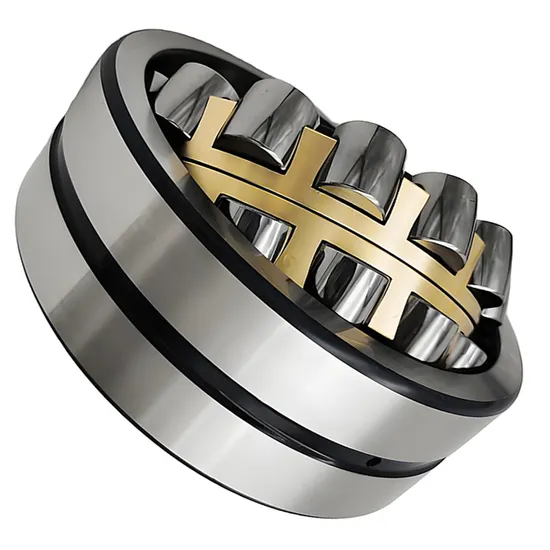
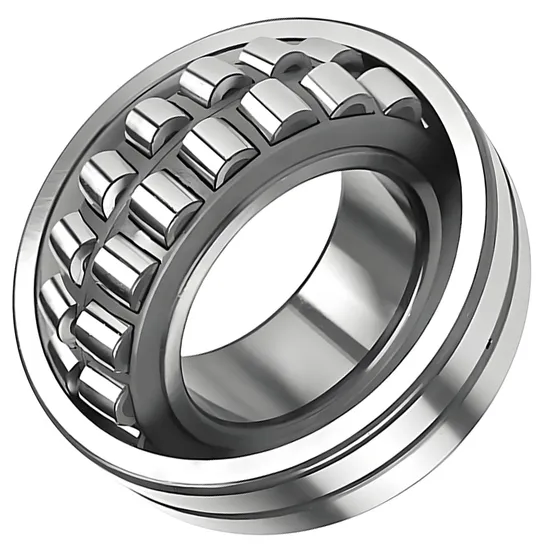
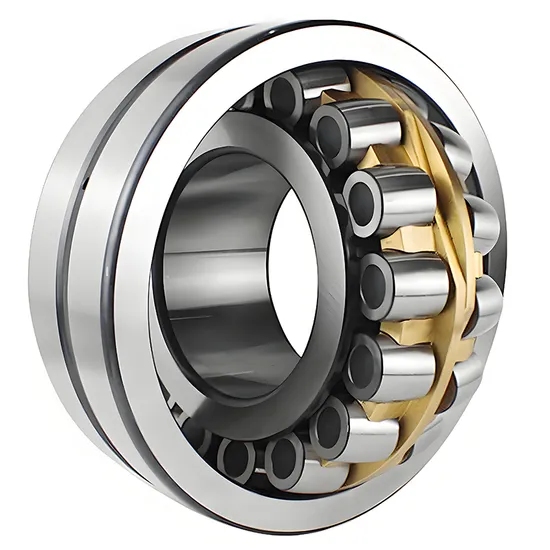
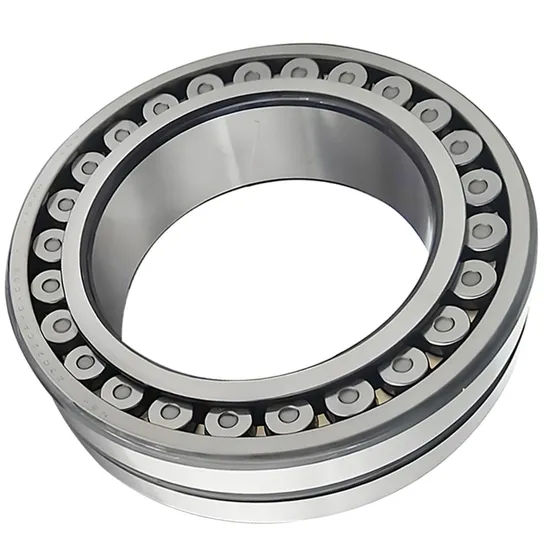
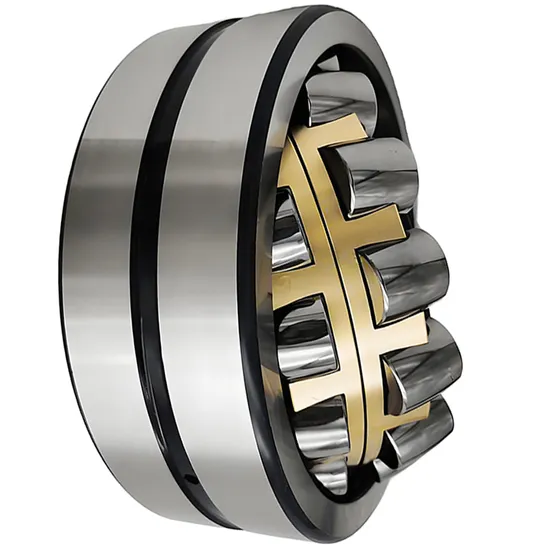

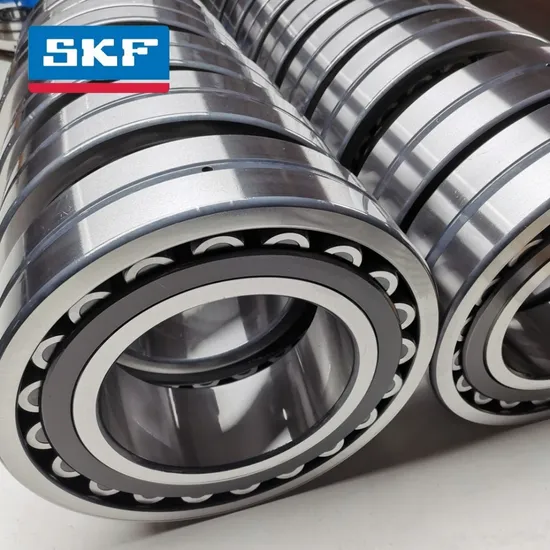
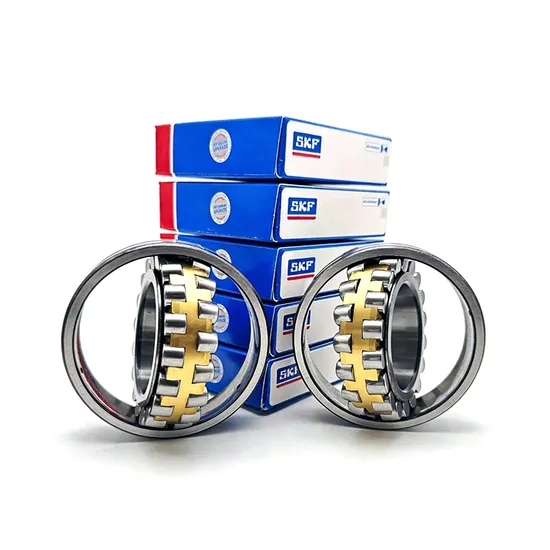
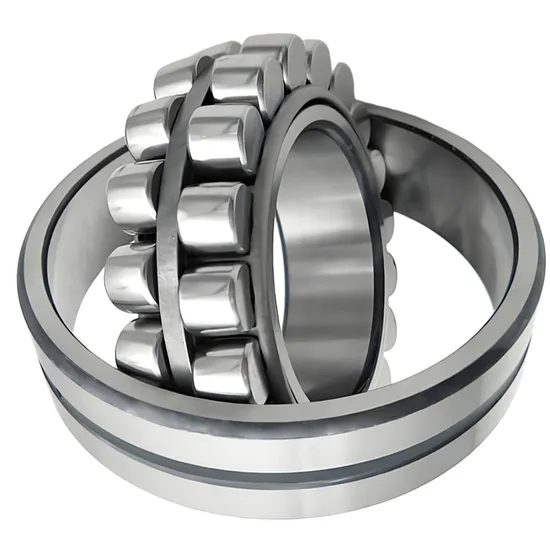
22319 Spherical Roller Bearing — spherical raceway design accommodates shaft misalignment while sustaining heavy radial and axial loads in vibrating screens, crushers, and steel mill equipment.
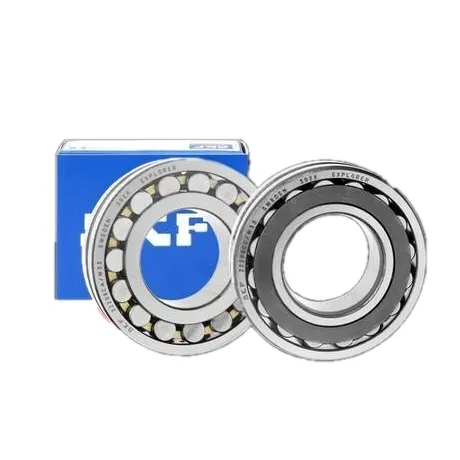
Every unit ships with scannable QR codes for instant authenticity checks through official brand verification apps.
Traceable Batch Origins — Every 22319 spherical roller bearing ships with manufacturer lot documentation for full supply chain visibility.
| Parameter | Value |
|---|---|
| Designation | 22319 |
| Bearing Type | Spherical Roller Bearing |
| Origin | Germany, Japan, Sweden, Malaysia, or China |
| HS Code | 8482500090 |
| Clearance Class | Standard (CN) or customized (C3, C4) based on thermal requirements |
| Cage Material | Stamped steel or machined brass options available |
| Customization | OEM trademark and packaging supported |
| Industry | Typical Applications |
|---|---|
| Mining and Crushing | Vibrating screen exciter mechanisms, jaw crusher eccentric shafts |
| Steel and Metallurgy | Continuous caster roll segments, rolling mill gearboxes |
| Material Handling | Bucket elevator head pulleys, heavy-duty conveyor drive shafts |
Matching the base designation is never enough for heavy-duty reliability.
Installing a replacement without verifying the exact internal clearance and cage design frequently leads to thermal binding under heavy loads. I have seen steel mill equipment seize completely because a standard clearance variant was forced into a high-temperature zone where thermal expansion demanded extra internal play . When the 22319 spherical roller bearing operates in vibrating screens or crushers, ignoring these suffix details turns a routine maintenance swap into an unplanned production halt.
Selecting the right internal geometry ensures the 22319 spherical roller bearing survives the severe shock loads typical of mining and metallurgy. We review your specific operational parameters to confirm whether a machined brass cage is necessary to withstand intense vibration, or if a stamped steel alternative suffices. This application-based selection prevents premature cage fatigue and keeps your critical machinery running smoothly.
Heavy industrial environments subject components to massive radial forces combined with significant temperature fluctuations. When ambient heat and friction combine, standard internal clearances can vanish, causing the rolling elements to skid and generate excessive heat . Proper lubrication flow and the correct initial clearance class are mandatory to accommodate this thermal growth. Furthermore, high-contamination zones require careful consideration of external sealing solutions to prevent abrasive dust from degrading the lubricant and scoring the raceways.
The base designation covers the external envelope, but the internal configuration dictates survival in harsh conditions. A machined brass cage provides superior guidance and damping under the high-vibration conditions of a vibrating screen, whereas a stamped steel cage might be suitable for steadier gearbox applications. Clearance selection is equally vital; while standard clearance works for normal temperatures, high-heat environments like steel mill gearboxes require increased internal play to prevent thermal binding once the equipment reaches operating temperature.
Overlooking internal design specifics inevitably results in catastrophic damage to the shaft and housing. A component that binds thermally will rapidly destroy its own raceways and potentially score the mounting journal, leading to extensive machining repairs and prolonged line stoppages . Relying on ISO 281 life calculations is meaningless if the physical clearance does not match the operational thermal profile, voiding warranties and inflating maintenance budgets.
Sourcing a mixed-brand order from a single authorized desk eliminates the coordination delays typical of fragmented supply chains. We verify that the internal clearance and cage material perfectly match your cross-reference requirements, avoiding the common trap of receiving a base-number match with the wrong internal geometry. Our batch traceability ensures every component is linked to its original production run, while our technical team reviews your load and speed parameters to validate the selection before shipment.
To ensure optimal performance, please provide your specific radial and axial load profiles, operational speeds, and expected temperature ranges. Sharing the original OEM equipment number allows our engineering team to perform a comprehensive cross-reference check, verifying that the internal geometry and clearance class perfectly align with your machinery's design intent.
Q: How can I verify the authenticity of the 22319 spherical roller bearing upon delivery?
A: You can verify authenticity by scanning the manufacturer's QR code using their official mobile application. We also provide comprehensive batch and lot traceability documentation, including a Certificate of Conformity and material test reports, ensuring the component is genuinely linked to its original production facility and heat treatment records.
Q: Why is it critical to match the clearance class during cross-referencing?
A: Matching the clearance class is essential because heavy machinery generates significant heat during operation. If a standard clearance variant is installed in a high-temperature application, thermal expansion will eliminate the internal play, causing the rolling elements to bind, overheat, and fail prematurely under heavy radial loads.
Q: What are the differences in supply chain options across various origins?
A: Different origins offer distinct advantages regarding project compliance and delivery schedules. Sourcing from European or Japanese facilities might align with specific OEM mandates, while Asian manufacturing hubs often provide faster turnaround for urgent maintenance requirements, all supported by our unified documentation and traceability protocols.
Q: How do I select the correct external sealing for high-contamination environments?
A: For highly contaminated environments like mining crushers, external sealing solutions must balance pollution exclusion with friction management. We recommend reviewing the specific dust concentration and lubrication purge frequency to select appropriate housing seals that protect the open bearing variant without generating excessive drag heat.
Q: What mounting practices are recommended for large spherical roller bearings?
A: Proper mounting requires controlled induction heating of the inner ring to achieve the necessary thermal expansion without altering the steel's hardness. Post-mounting, it is crucial to measure the remaining internal clearance to confirm that the designated thermal expansion allowance has been correctly preserved during the fitting process.
Our 5-step process ensures every order is engineered, validated, and supported for optimal performance.
Technical needs assessment
Custom specifications
Free samples for $50k+
Pre-shipment inspection
On-site & predictive
Our certified engineers respond within 24 hours with detailed technical specifications, pricing, and lead time information.