01
Consultation
Technical needs assessment


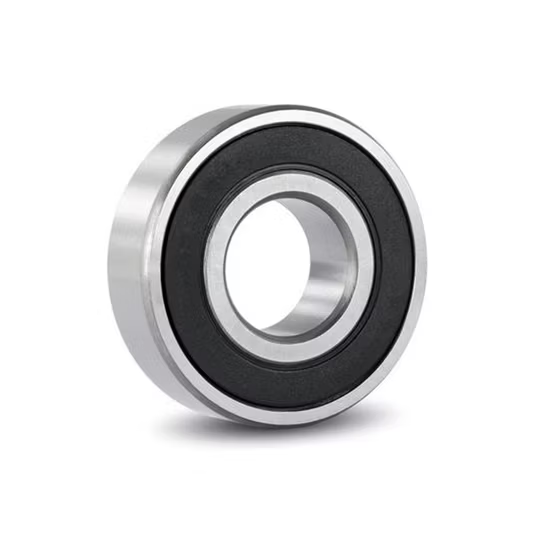
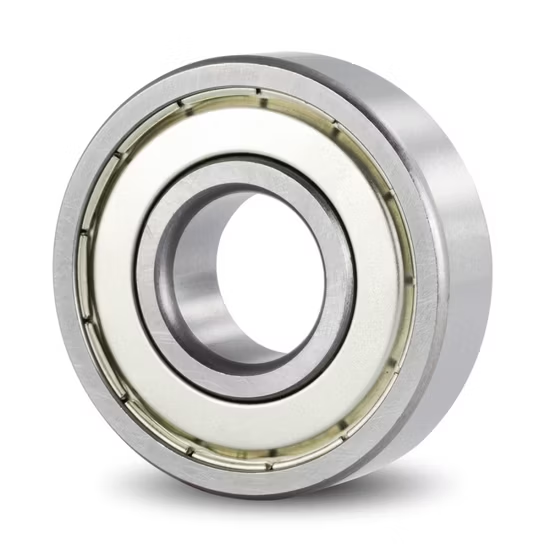
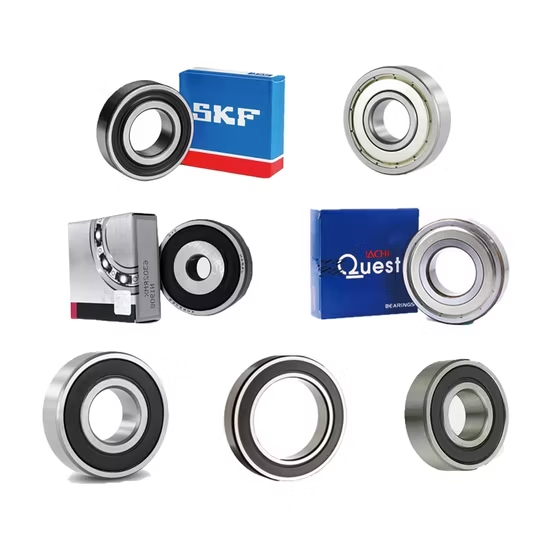

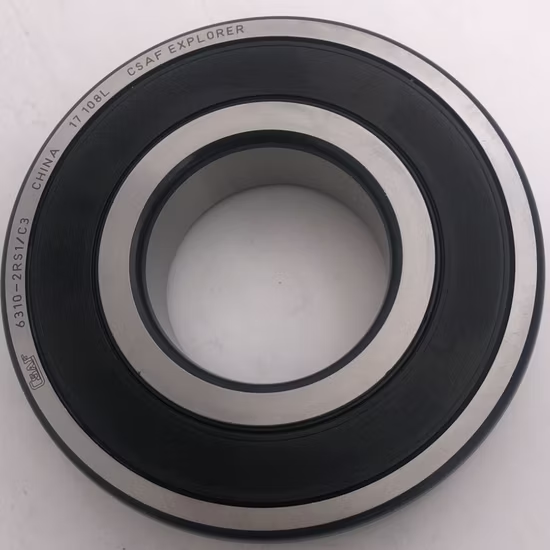
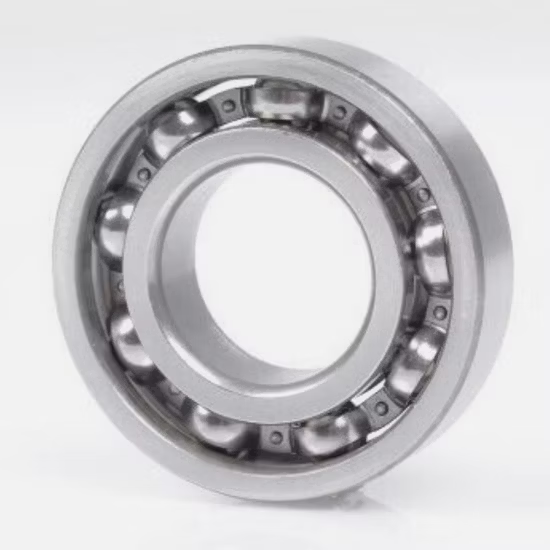
671 672 673 674 675 2RS Zz Deep Groove Ball Bearings deliver optimized sealing configurations for diverse rotational environments.
Multi-Origin Batch Traceability — every deep groove ball bearing 671 672 673 674 675 2RS Zz shipment includes verifiable lot documentation matching the declared manufacturing facility.
| Parameter | Value |
|---|---|
| Designation | 671 672 673 674 675 2RS Zz |
| Bearing Type | Deep Groove Ball Bearing |
| Seal or Shield Type | 2RS (Double-sided contact seals), Zz / 2zz (Double-sided steel shields), Open |
| Quality Level | Z1V1, Z2V2, Z3V3, Z4V4 |
| Feature | Low Noise, High Speed, Long Service Life |
| Origin | Germany / Japan / Sweden / Malaysia / China |
| HS Code | 848210 |
| Industry | Typical Applications |
|---|---|
| Electric Motors | Small rotor shaft supports requiring low-vibration operation |
| Pumps & Fluid Systems | Impeller shaft bearings in sealed liquid handling units |
| Material Handling | Conveyor roller end-caps and light-duty guide wheel axles |
| Gearboxes | High-speed input shaft supports in fractional horsepower reducers |
| Household Appliances | Spindle motors in washing machines and cooling fan assemblies |
Matching the base designation without verifying the Zz or 2RS suffix leads to rapid contamination ingress or thermal binding in sealed housings.
Procurement teams often source replacements by matching the core numeric sequence, overlooking whether the equipment requires non-contact steel shields or friction-generating rubber seals. In my years inspecting failed units on the workshop floor, I have seen countless Zz shielded variants installed in high-moisture pump environments where only 2RS contact seals could prevent fluid ingress. Conversely, fitting 2RS seals in high-speed appliance motors generates excessive friction heat, degrading the grease and causing premature cage failure. . Sourcing a deep groove ball bearing 671 672 673 674 675 2RS Zz requires strict alignment between the seal type and the actual operating environment to avoid these predictable field failures.
Selecting the correct sealing configuration dictates the service interval of the assembly. The 2RS variant utilizes rubber contact seals that provide excellent protection against dust and moisture, making it ideal for agricultural or outdoor material handling equipment. The Zz steel shields maintain a small running clearance, minimizing friction for high-speed electric motors where the primary concern is keeping grease inside rather than blocking heavy external contaminants. We review your specific housing design to ensure the selected deep groove ball bearing 671 672 673 674 675 2RS Zz variant matches the exact contamination profile and speed requirements of your application.
Operating temperature directly influences internal clearance and lubricant stability. When 2RS contact seals operate at high rotational speeds, the lip friction generates localized heat that can break down standard greases and reduce the effective internal clearance. If the equipment operates in elevated ambient temperatures, specifying a C3 or C4 clearance class becomes mandatory to accommodate thermal expansion of the shaft and housing. . Failing to account for this thermal growth results in the bearing running with negative clearance, leading to catastrophic skidding and raceway damage.
The Z1V1 through Z4V4 quality levels define the strictness of the acoustic and vibration tolerances during manufacturing. A Z1V1 grade is generally sufficient for standard industrial gearboxes where ambient noise masks the bearing acoustics. However, precision appliance motors and medical equipment demand Z3V3 or Z4V4 classifications to eliminate audible hum and high-frequency vibration. These higher grades require superior raceway honing and tighter ball sorting, ensuring smooth operation that extends the fatigue life of the entire rotating assembly.
Installing a Zz shielded bearing in a wet environment allows corrosive particles to bypass the non-contact gap, rapidly pitting the raceways and causing unplanned downtime. Alternatively, forcing 2RS contact seals into a high-speed spindle creates drag that overheats the lubricant, resulting in premature failure and voided equipment warranties. These misalignments rarely show up in initial procurement savings but manifest as catastrophic damage to adjacent shafts and housings. . Correct suffix verification is the most cost-effective maintenance strategy available to procurement engineers.
Our cross-brand interchange process evaluates the exact seal lip geometry and shield clearance, not just the basic numeric designation. We provide batch traceability for every deep groove ball bearing 671 672 673 674 675 2RS Zz order, ensuring the declared origin matches the physical product. Our technical team reviews your load and speed parameters to confirm the Z/V quality level is appropriate for your noise constraints. We maintain authorized distribution channels across multiple international brands, allowing mixed-brand consolidation in a single shipment. Every unit is backed by application-based selection reviews that prevent the common clearance and seal mismatches seen in generic sourcing.
To ensure precise cross-referencing, provide the exact radial and axial loads, operating speeds, and ambient temperatures of your application. Share the OEM equipment number or the existing bearing designation, including all clearance and seal suffixes, so we can verify the interchange. Specify if the housing environment involves chemical exposure or heavy particulate ingress to confirm the optimal 2RS or Zz configuration. Supplying these parameters allows our engineering team to validate the L10 life and recommend the correct Z/V quality level.
Q: How do Z1V1 to Z4V4 quality levels affect motor noise and vibration?
A: The Z and V suffixes denote strict acoustic and vibration limits measured during factory testing. Z1V1 represents standard industrial tolerances suitable for general gearboxes. Z3V3 and Z4V4 require superior raceway finishing and tighter ball sorting, drastically reducing high-frequency vibration and audible hum. This makes the higher grades essential for fractional horsepower appliance motors and precision cooling fans where operational smoothness is critical.
Q: What is the difference between 2RS rubber seals and Zz iron shields in high-speed applications?
A: The 2RS rubber seals provide excellent contact sealing against moisture and dust but generate friction heat at high rotational speeds, which can degrade the grease. The Zz iron shields maintain a small non-contact running clearance, minimizing friction and allowing for much higher limiting speeds. Choosing between them depends on whether the priority is maximum contamination exclusion or minimizing thermal buildup in high-speed electric motors.
Q: How to verify the actual country of origin when multiple origins are listed?
A: We provide complete batch traceability for every shipment, allowing you to verify the specific manufacturing facility. You can scan the QR codes on the packaging using the official brand applications to confirm whether your specific batch was produced in Germany, Japan, Sweden, Malaysia, or China. This digital verification ensures the physical product matches the declared origin on the Certificate of Conformity.
Q: Why must clearance and suffix details be matched during cross-referencing?
A: Matching only the base numeric designation often overlooks critical internal differences. A standard CN clearance might bind thermally in a hot motor, whereas a C3 clearance provides the necessary expansion room. Similarly, substituting a Zz shield for a 2RS seal in a wet environment guarantees rapid corrosion. We verify these suffix details to ensure the replacement bearing survives the actual thermal and contamination conditions of your equipment.
Our 5-step process ensures every order is engineered, validated, and supported for optimal performance.
Technical needs assessment
Custom specifications
Free samples for $50k+
Pre-shipment inspection
On-site & predictive
Our certified engineers respond within 24 hours with detailed technical specifications, pricing, and lead time information.