01
Consultation
Technical needs assessment

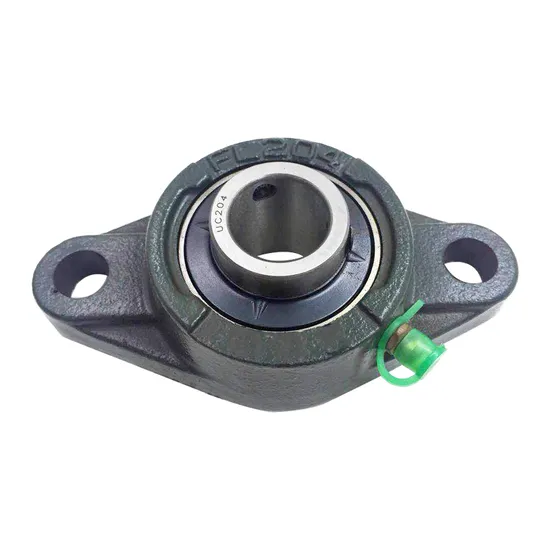
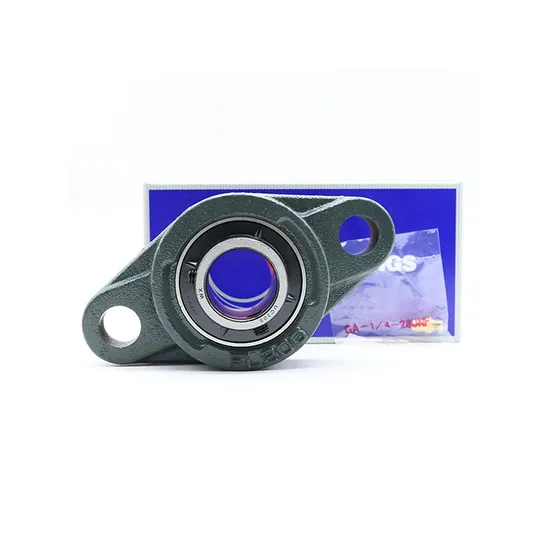
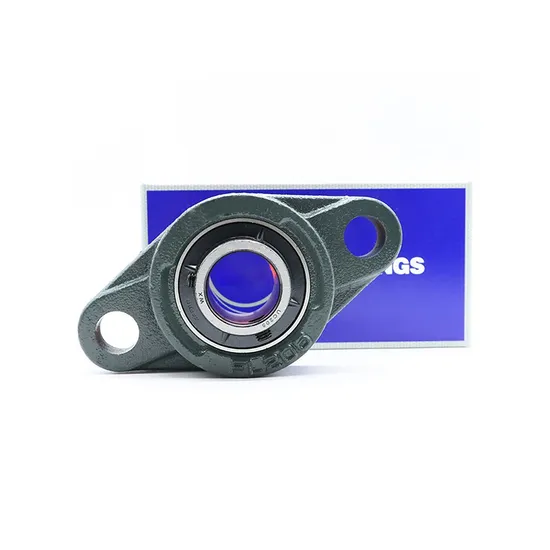
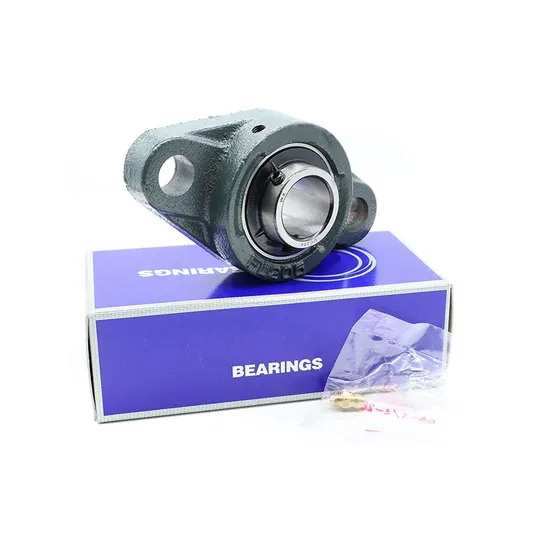
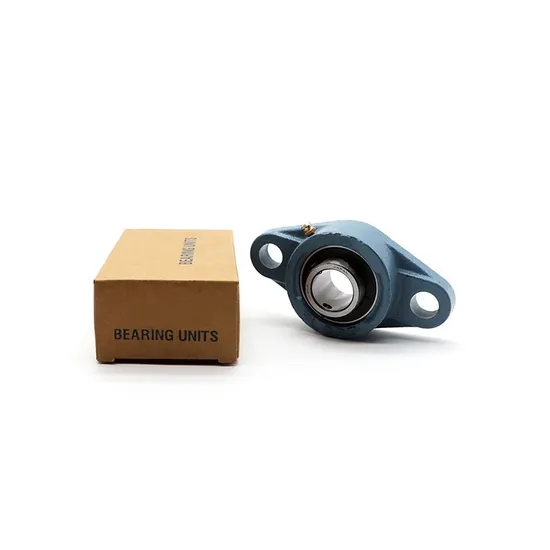
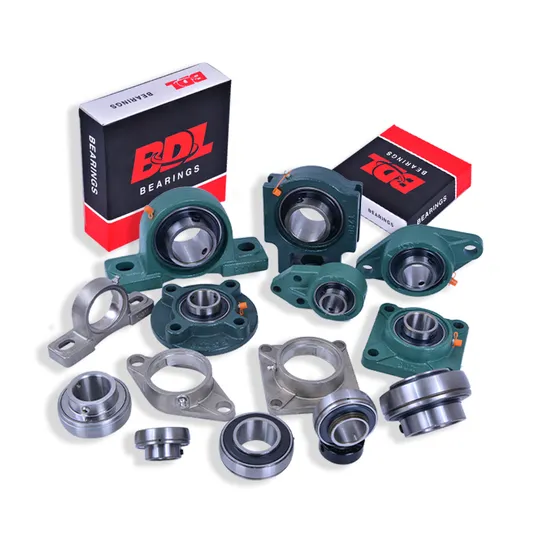
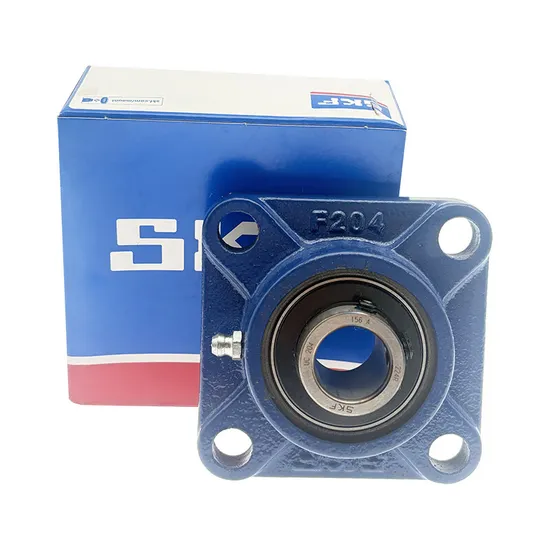
UCFL305 Flanged Pillow Block Bearing Unit
Verified via official apps — Every UCFL305 unit we dispatch includes batch traceability scannable through the manufacturer's official QR application to confirm authenticity.
| Parameter | Value |
|---|---|
| Designation | UCFL305 |
| Product Type | Insert Bearing / Pillow Block Unit |
| Rows Number | Single |
| Raceway Type | Deep Groove Raceway |
| Housing Material | Cast Iron |
| Housing Design | Flanged (FL) |
| Origin Options | Germany / Japan / Sweden / Malaysia / China |
| HS Code | 8483200000 |
Certain feature claims such as corrosion resistance, high temperature tolerance, and high speed capabilities are subject to verification against the specific manufacturer's catalog for the selected brand variant.
| Industry | Typical Applications |
|---|---|
| Agricultural Machinery | Harvester conveyor drive shafts, irrigation pivot joints, seed metering assemblies |
| Material Handling | Belt conveyor return idler mounts, bucket elevator tail pulley supports |
| Textile Manufacturing | Yarn winding machine tension rollers, loom shedding mechanism linkages |
Matching the base designation is only the first step in preventing field failures.
Procurement teams often assume that any unit stamped with the correct base number will perform identically in the field. However, overlooking internal design variations, seal configurations, or clearance classes leads to thermal binding and premature cage failure. I once investigated a batch of UCFL307 units that seized in high-temperature motors simply because standard CN clearance was installed where C3 was required for thermal expansion . When searching for a reliable UCFL305 pillow block bearing supplier, buyers must ensure the cross-reference aligns with the exact operational demands, not just the stamped digits.
The FL suffix in this designation indicates a two-bolt flanged housing, engineered to mount perpendicular to the shaft axis. This configuration provides critical structural support for combined radial and axial loads typical in agricultural conveyors and textile rollers. As a UCFL305 pillow block bearing supplier, we review your specific mounting surface and load vectors to ensure the cast iron housing delivers the necessary rigidity without introducing misalignment stresses that could compromise the deep groove raceway.
Agricultural and material handling environments expose components to extreme temperature fluctuations and heavy particulate contamination. These conditions dictate strict requirements for internal clearance and sealing mechanisms. At elevated temperatures, standard clearance classes can close up, causing the rolling elements to bind within the raceway. Simultaneously, abrasive dust demands seals that balance contact friction with effective exclusion, requiring a careful selection between contact and non-contact sealing designs based on the specific rotational speed and contamination level .
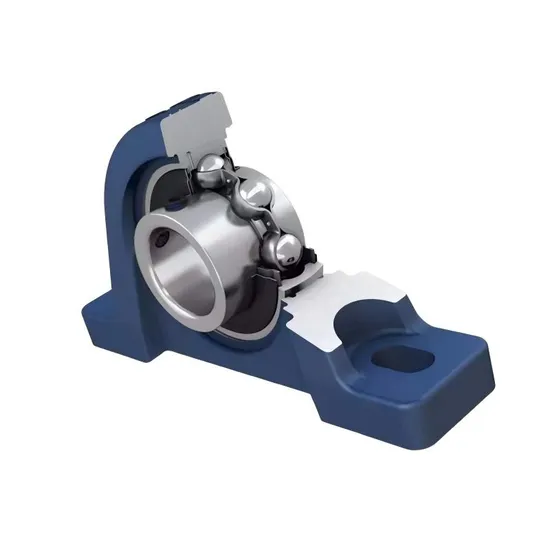
The core of this unit relies on a deep groove raceway insert, which efficiently manages combined loads while maintaining low friction during continuous rotation. The cast iron housing provides the necessary mass and damping characteristics to absorb operational vibrations in heavy machinery. Depending on the exact operating environment, buyers can explore material options such as stainless steel inserts or specialized coatings to mitigate corrosion in washdown areas. Selecting the correct internal clearance class remains vital; installing a standard clearance unit in an application with significant shaft thermal expansion will inevitably lead to destructive preload and accelerated fatigue.
Specifying a unit based solely on the base number without verifying the internal clearance or seal type frequently results in unplanned downtime. When an insert bearing operates with insufficient internal clearance due to thermal expansion, the resulting friction generates excessive heat, leading to catastrophic damage to the cage and raceway. Such failures not only void warranty claims but also halt entire production lines, turning a minor component replacement into a massive operational loss .
We address the common pitfalls of粗放 cross-referencing by verifying the exact clearance, cage material, and seal suffixes against your OEM requirements. For the UCFL305, ensuring the flanged housing bolt pattern and insert locking mechanism match your existing shaft tolerances prevents installation-induced misalignment. Our technical team reviews your application parameters to confirm that the selected variant can withstand the specific load and speed combinations. Furthermore, we provide full batch traceability, ensuring that every unit shipped can be verified directly through the manufacturer's official channels.
To ensure the selected flanged unit meets your operational demands, please provide the specific radial and axial loads, operational speed, and ambient temperature range. Sharing the OEM equipment number or the exact shaft dimensions allows our engineering team to perform a precise cross-reference and L10 life calculation. If your application involves washdown procedures or extreme particulate exposure, detailing these environmental factors helps us recommend the most appropriate seal type and material variant for your machinery.
Q: How do I verify the authenticity of the flanged units received?
A: Every unit we supply includes batch traceability documentation. You can scan the QR code located on the packaging or the component itself using the manufacturer's official mobile application. This direct verification confirms the genuine origin of the cast iron housing and the insert bearing, protecting your equipment from counterfeit components with substandard metallurgy.
Q: Why must cross-referencing include clearance and seal suffixes?
A: Matching only the base UCFL number ignores critical internal differences. A unit with standard clearance may seize in high-temperature applications where thermal expansion requires C3 clearance. Similarly, incorrect seal types can cause excessive friction or fail to exclude contaminants. We verify these suffixes to ensure the internal geometry perfectly matches your specific operational environment.
Q: What causes premature failure in agricultural conveyor bearings?
A: Failures typically stem from contamination ingress, misalignment during installation, or incorrect internal clearance selection. Abrasive dust destroys the raceway if seals are inadequate, while thermal expansion can eliminate internal clearance, causing the rolling elements to bind and overheat. Proper selection of the seal type and clearance class prevents these common field issues.
Q: How do I select the correct seal for corrosive environments?
A: The choice depends on the exposure level and rotational speed. Contact seals provide excellent exclusion of moisture and particulates but generate more friction, limiting speed. Non-contact seals offer lower friction for higher speeds but provide less aggressive contamination defense. Evaluating the specific washdown frequency and operational speed dictates the optimal sealing configuration.
Q: What is the difference between standard and C3 clearance?
A: Standard clearance is designed for normal operating temperatures and typical shaft fits. C3 clearance provides greater internal space between the rolling elements and the raceway. This extra space accommodates thermal expansion of the shaft and housing in high-temperature applications, preventing the internal components from binding and generating destructive friction during operation.
Our 5-step process ensures every order is engineered, validated, and supported for optimal performance.
Technical needs assessment
Custom specifications
Free samples for $50k+
Pre-shipment inspection
On-site & predictive
Our certified engineers respond within 24 hours with detailed technical specifications, pricing, and lead time information.