01
Consultation
Technical needs assessment


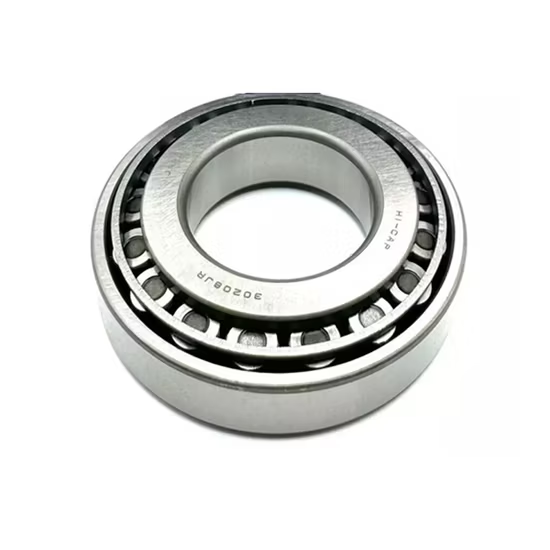
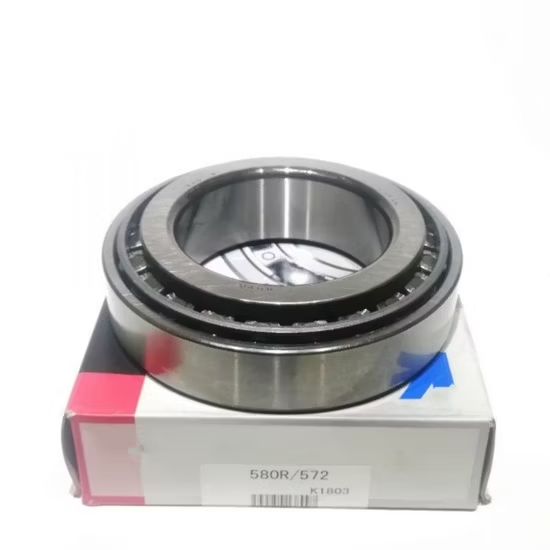
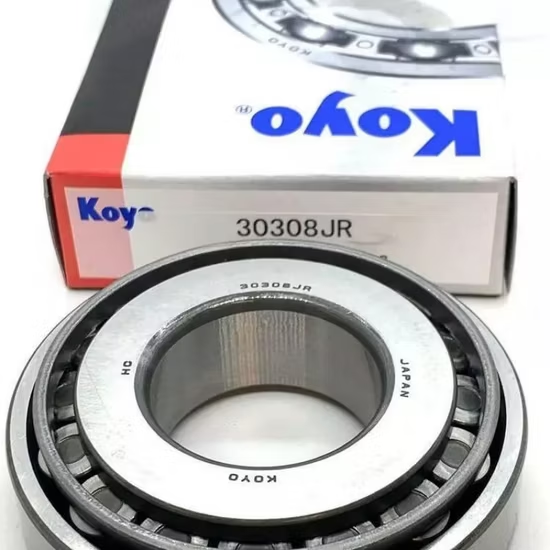
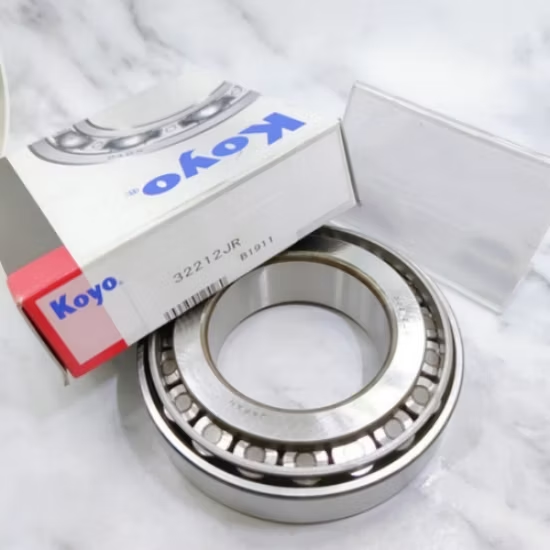
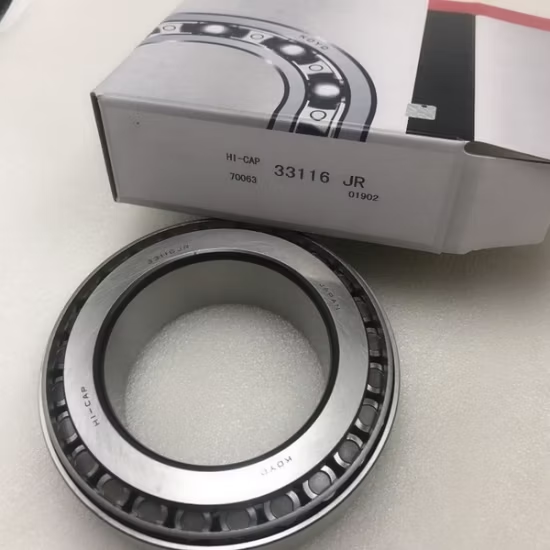
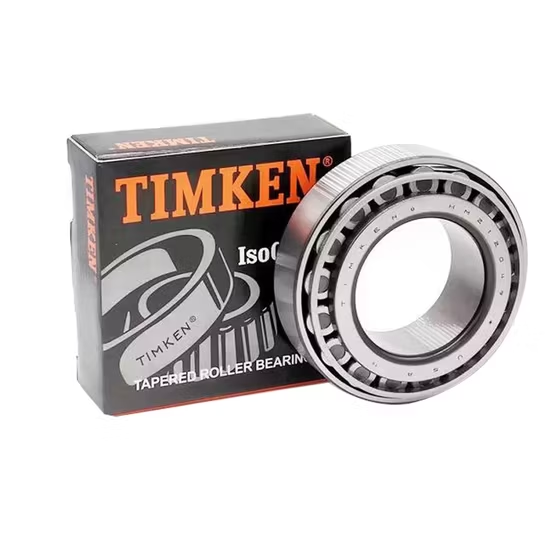
U497/U460L 7909 TR100802 Tapered Roller Bearing P4
Unified Multi-Brand Sourcing — Consolidate your U497/U460L 7909 TR100802 tapered roller bearing requirements alongside other major international marques in a single shipment, eliminating the need to coordinate with fragmented suppliers.
| Parameter | Value |
|---|---|
| Designation | U497/U460L 7909 TR100802 |
| Bearing Type | Tapered Roller Bearing |
| Bore Diameter (d) | 45 mm |
| Outside Diameter (D) | 80 mm |
| Width (T) | 23.75 mm |
| Precision Class | P4 |
| Cage Material | Available in Nylon, Brass, or Iron variants |
| Material | GCr15 bearing steel |
| Origin | Available from Germany, Japan, Sweden, Malaysia, or China facilities |
Note: Certain alphanumeric sequences within the designation remain unverified and require manufacturer catalog confirmation prior to final cross-referencing.
| Industry | Typical Applications |
|---|---|
| Manufacturing Plant | Conveyor drive gearboxes and heavy-duty material handling rollers |
| Automotive | Wheel hub assemblies and differential pinion shafts |
| Machinery | Agricultural tractor final drives and construction equipment pivot joints |
Matching the base number without verifying internal clearance and cage design frequently leads to catastrophic thermal seizure under heavy radial loads.
In Latin American mining sites, I have seen identical base designations fail within weeks because standard clearance was installed where thermal expansion demanded a C3 equivalent. Procurement teams often focus solely on the outer dimensions, overlooking how internal geometry dictates heat dissipation . This oversight turns a routine replacement into an unplanned shutdown, proving that dimensional equivalence does not guarantee operational survival.
Selecting the correct U497/U460L 7909 TR100802 tapered roller bearing requires looking beyond the catalog number to evaluate the actual load vectors and operating temperatures. Our engineering review cross-references the specific cage material and internal clearance against your equipment's thermal profile, ensuring the selected variant handles combined loads without premature wear. This application-based selection prevents the subtle mismatches that cause field failures.
Tapered roller configurations must endure combined radial and axial forces, often accompanied by severe shock loads in heavy machinery. As operational temperatures rise, the shaft and housing expand at different rates, making the initial internal clearance critical to prevent the rollers from binding against the raceways. Proper lubrication intervals and the correct cage material selection further mitigate friction-induced heat, ensuring the assembly maintains its structural integrity .
The P4 precision class guarantees tighter dimensional and running accuracy than standard grades, which is essential for minimizing vibration in high-speed gearboxes. Constructed from GCr15 bearing steel, the rings and rolling elements achieve optimal hardness and fatigue resistance after specialized heat treatment. Furthermore, the availability of Nylon, Brass, or Iron cages allows maintenance teams to match the cage's weight and thermal conductivity to the specific speed and load characteristics of the application.
Relying on superficial cross-references often results in installing a component that physically fits but mechanically fails under operational stress. Such mismatches lead to premature spalling, cage fracture, and catastrophic damage to adjacent shafts and housings. The resulting unplanned downtime and voided equipment warranties far exceed the initial savings of bypassing a rigorous technical review .
We maintain authorized distribution channels that provide full batch traceability, ensuring every component originates from verified production facilities. Our cross-brand interchange process aligns the internal design and precision suffixes, not just the base number, preventing the thermal binding issues common in heavy-duty applications. By supplying dimensional and running accuracy inspection reports prior to shipment, we eliminate the risk of receiving counterfeit units with soft inner rings that pass casual visual checks but fail under load.
To ensure the selected variant matches your exact operational requirements, please provide the radial and axial load values, operating speeds, and expected temperature ranges. Sharing the OEM equipment number allows our engineering team to perform a rigorous cross-reference check against the original factory specifications. This data enables us to calculate the L10 life and recommend the optimal cage material and clearance class for your specific machinery.
Q: How can I verify the authenticity of the U497/U460L 7909 TR100802 tapered roller bearing?
A: Authenticity is confirmed through batch traceability and QR verification using the manufacturer's official mobile application. We provide a Certificate of Conformity and dimensional inspection reports that validate the P4 precision class. This multi-layered verification process effectively exposes counterfeit units featuring soft inner rings and cloned identification codes that typically bypass casual visual inspections.
Q: Why is matching the cage material critical during cross-referencing?
A: Different cage materials dictate the operational limits of the assembly. Brass cages handle higher vibrations and temperatures, while Nylon variants reduce weight and friction at higher speeds. Selecting the wrong cage type during a cross-reference can lead to cage fracture or thermal seizure, making it essential to align the material with your specific load and speed parameters.
Q: What advantages does P4 precision offer over standard grades in machinery?
A: P4 precision provides significantly tighter dimensional and running accuracy, which minimizes vibration and heat generation during high-speed operation. This enhanced tolerance control is crucial for industrial gearboxes and spindle applications where rotational stability directly impacts the quality of the output and the overall lifespan of the surrounding mechanical components.
Q: How do I select the right clearance class for high-temperature environments?
A: High operating temperatures cause the shaft and housing to expand at different rates, which can eliminate internal clearance and cause thermal binding. For applications experiencing significant heat generation, a larger internal clearance is required to compensate for this thermal expansion. Providing your exact operating temperature range allows us to recommend the appropriate clearance class to prevent seizure.
Our 5-step process ensures every order is engineered, validated, and supported for optimal performance.
Technical needs assessment
Custom specifications
Free samples for $50k+
Pre-shipment inspection
On-site & predictive
Our certified engineers respond within 24 hours with detailed technical specifications, pricing, and lead time information.