01
Consultation
Technical needs assessment

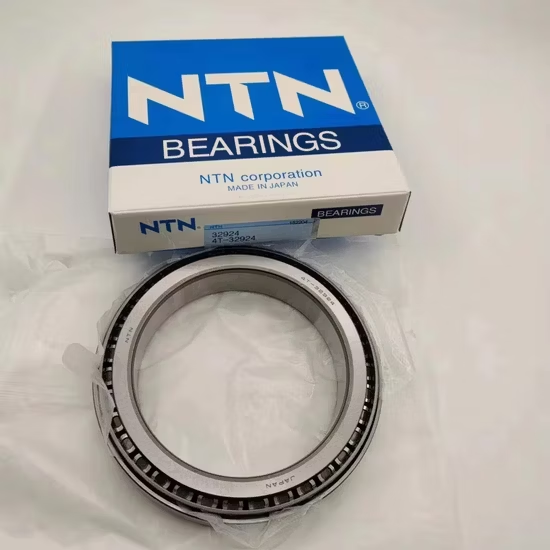
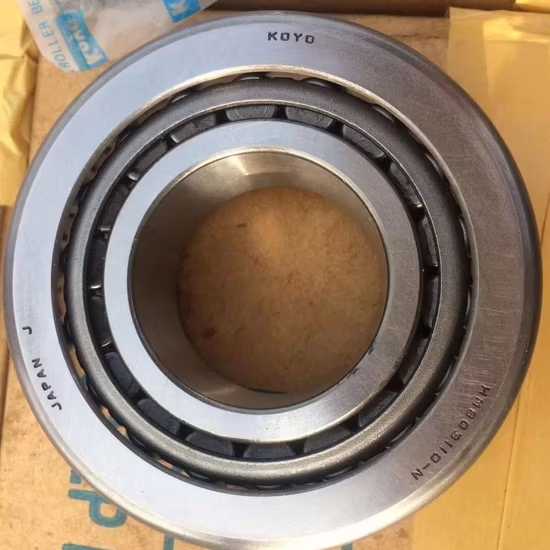
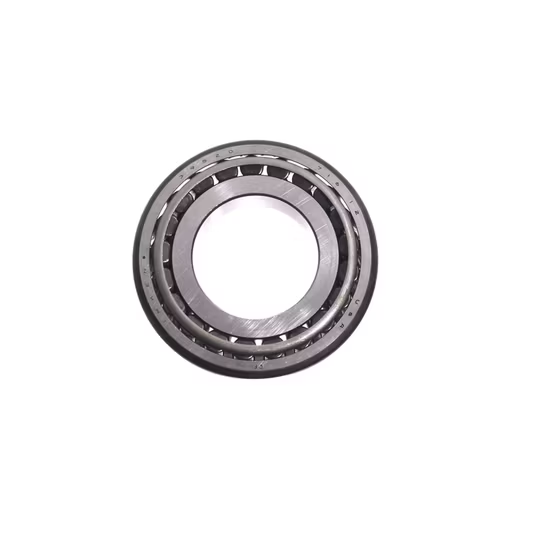


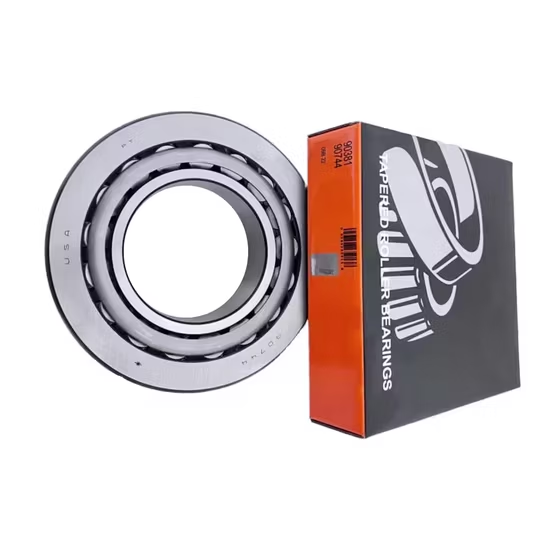
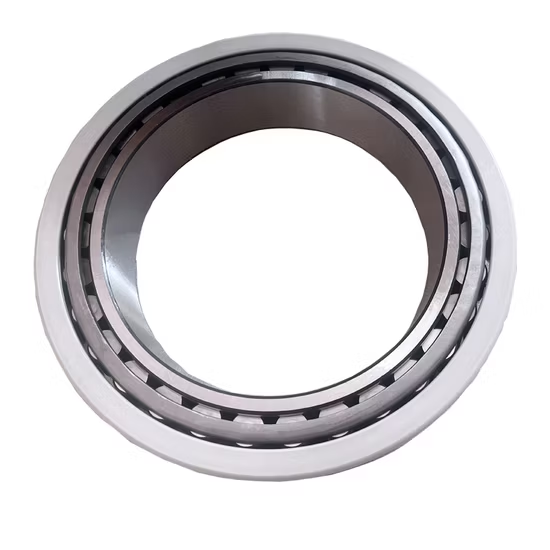
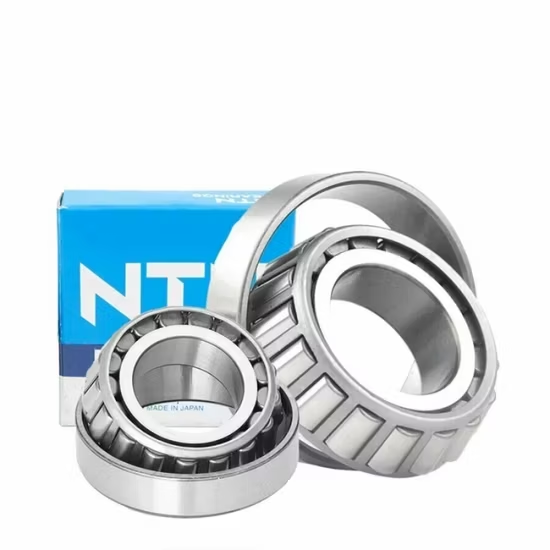
31302 31303 Single Row Tapered Roller Bearings P4 — Manufactured from GCr15 bearing steel, these units deliver tight dimensional and running accuracy for demanding combined radial and axial loads in industrial gearboxes and automotive applications.
Three-Way Cross-Reference Alignment — Matching base designation, internal clearance, and cage material ensures the 31302 31303 tapered roller bearing fits your exact OEM requirements without field modifications.
| Parameter | Value |
|---|---|
| Designation | 31302 31303 |
| Bearing Type | Tapered Roller Bearing |
| Number of Rows | Single Row |
| Precision Class | P4 |
| Material | GCr15 Bearing Steel |
| Cage Material | Available in nylon, brass, or pressed steel variants |
| Origin | Germany / Japan / Sweden / Malaysia / China |
| HS Code | 8482500090 |
| Industry | Typical Applications |
|---|---|
| Automotive & Heavy Vehicles | Wheel hub assemblies, truck axle differentials, and transmission pinion shafts |
| Industrial Power Transmission | Heavy-duty gearbox pinion shafts and speed reducer output stages |
| Building Material Machinery | Conveyor drive rollers and mixer drum support trunnions |
A matching part number does not guarantee a matching internal geometry or thermal capacity.
Sourcing replacements based solely on the basic designation often leads to catastrophic field failures. I have seen countless axle and gearbox assemblies in Latin American mining fleets lock up completely because a standard clearance bearing was forced into a high-temperature housing. The 31302 31303 tapered roller bearing requires strict verification of internal design and cage material, not just the stamped numbers on the outer ring. When procurement teams overlook these critical suffixes and internal tolerances, the resulting thermal binding destroys the shaft and housing long before the rolling elements show any fatigue .
Selecting the correct variant for your application goes far beyond dimensional checks. The 31302 31303 tapered roller bearing is engineered to handle combined radial and axial loads, but its actual field performance depends on matching the cage material and precision class to your specific operational envelope. Our technical review process evaluates your load spectra and thermal environment to ensure the selected configuration delivers reliable service life without premature cage wear or roller skidding.
Gearbox pinions and truck axles subject bearings to severe shock loads and rapid temperature fluctuations. Under heavy combined loading, the inner ring expands, which can rapidly consume internal clearance if the initial setting is too tight. Lubrication breakdown at elevated operating temperatures further accelerates wear, making the choice between oil bath and grease packing critical for heat dissipation. Proper mounting preload is equally vital; excessive tightening during assembly will cause immediate thermal seizure, while insufficient preload leads to destructive roller skidding and cage fragmentation .
Upgrading to a P4 precision class provides noticeably tighter dimensional and running accuracy compared to standard commercial grades, which is essential for minimizing vibration in high-speed pinion shafts. The GCr15 bearing steel offers excellent hardenability and wear resistance for heavy load zones. Furthermore, selecting the right cage variant is critical: pressed steel cages handle high shock loads, brass cages offer superior durability under marginal lubrication and high vibration, while nylon cages reduce friction and operate quietly at moderate temperatures. Understanding these material options ensures the bearing survives the specific dynamic forces of your machinery.
Installing a bearing with the wrong internal clearance or mismatched cage material inevitably leads to unplanned downtime and catastrophic damage to surrounding components. When a standard clearance unit is used in an application requiring extra clearance for thermal expansion, the resulting preload spikes cause rapid temperature increases and lubricant failure. This cascading failure mode not only destroys the bearing but frequently scores the shaft and ruins the housing bore, turning a simple maintenance task into a massive rebuild project and voiding equipment warranties .
We eliminate cross-reference errors by verifying clearance, cage material, and precision suffixes, ensuring the replacement matches the OEM intent rather than just the base number. Our authorized multi-brand distribution allows you to consolidate mixed-brand requirements into a single, fully documented shipment without juggling multiple suppliers. Every batch includes strict traceability, so you can verify the exact manufacturing origin and material lot through official brand applications. We also provide application-based selection reviews, analyzing your specific load, speed, and temperature parameters to prevent the thermal binding issues that plague poorly specified replacements.
To ensure the selected configuration perfectly matches your machinery, please provide your specific radial and axial load profiles, operating speeds, and expected thermal gradients. Sharing the exact OEM equipment number or existing housing dimensions allows our engineering team to perform a comprehensive cross-reference check and L10 life calculation. This technical data enables us to recommend the optimal cage material and clearance setting, preventing the field failures associated with generic part number substitutions.
Q: How do I verify the authenticity of 31302 31303 bearings using official apps?
A: Scan the QR code on the product packaging or the bearing label using the manufacturer's official mobile application. This instantly cross-references the batch number with the factory database, confirming the GCr15 material lot, P4 precision grade, and original production facility, effectively filtering out counterfeit products with cloned visual markers.
Q: What cross-reference checks are critical when replacing OEM tapered roller bearings?
A: Beyond matching the basic 31302 or 31303 designation, you must verify the internal clearance class, cage material, and precision suffix. A base number match with incorrect internal geometry will lead to thermal binding or cage failure under load. We align all three parameters to ensure exact functional equivalence.
Q: How do I choose the right cage material for my operating temperature and speed?
A: Pressed steel cages excel in high-shock environments, while brass cages provide superior durability under heavy loads and marginal lubrication. Nylon cages offer low friction for moderate temperatures and higher speeds. Provide your specific thermal and dynamic load data, and we will specify the optimal cage variant for your application.
Q: What is the practical difference between standard P0 and P4 precision in these applications?
A: P4 precision offers noticeably tighter dimensional and running accuracy than standard P0 grades. In demanding applications like industrial gearboxes or truck axles, this reduces vibration, minimizes heat generation, and ensures smoother load distribution across the rolling elements, directly extending the operational service life of the assembly.
Q: Which mounting practices are recommended for single row tapered roller bearings?
A: Proper mounting requires precise preload adjustment to achieve the correct endplay or preload setting. Use controlled induction heating for the inner ring and avoid direct hammer blows. We provide detailed mounting guidance and recommend using dial indicators to verify the final axial clearance, preventing premature failure from incorrect assembly.
Our 5-step process ensures every order is engineered, validated, and supported for optimal performance.
Technical needs assessment
Custom specifications
Free samples for $50k+
Pre-shipment inspection
On-site & predictive
Our certified engineers respond within 24 hours with detailed technical specifications, pricing, and lead time information.