01
Consultation
Technical needs assessment



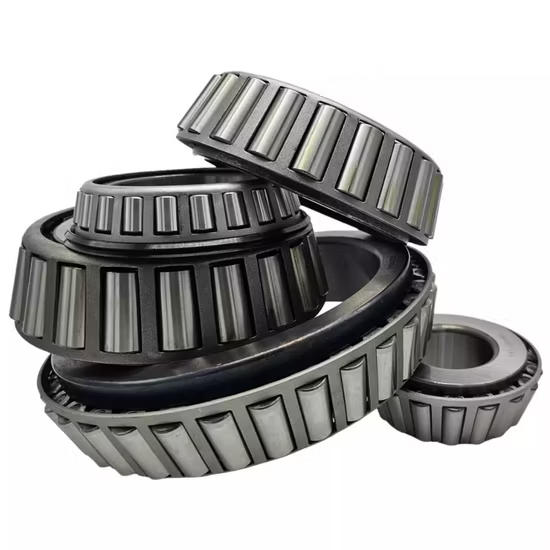
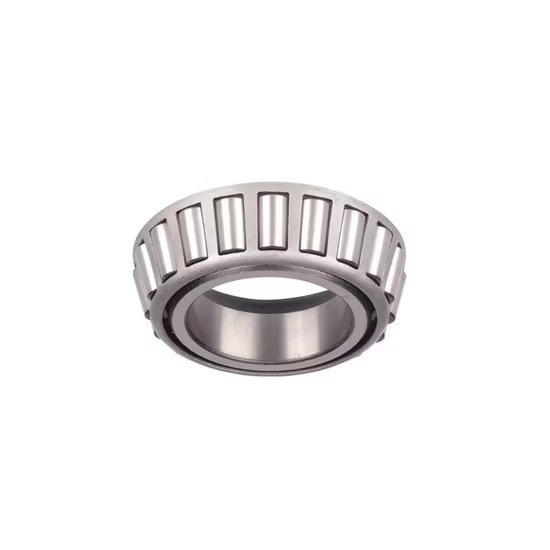
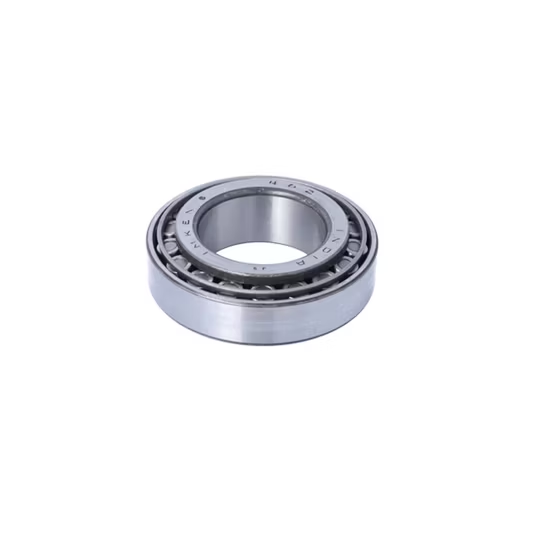
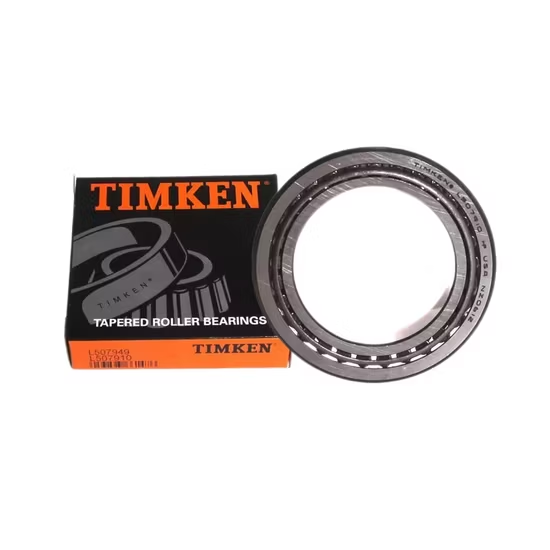
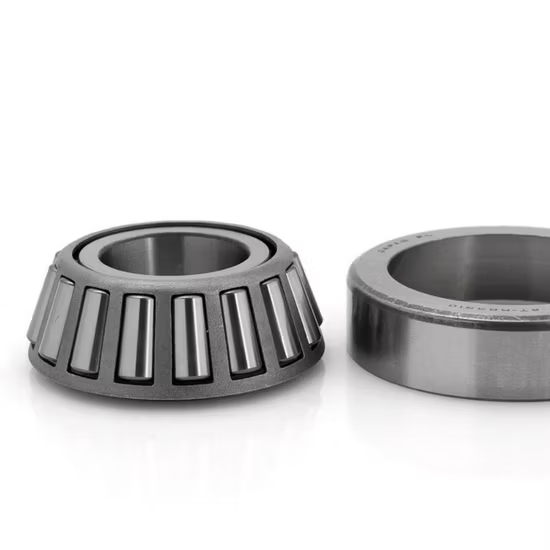
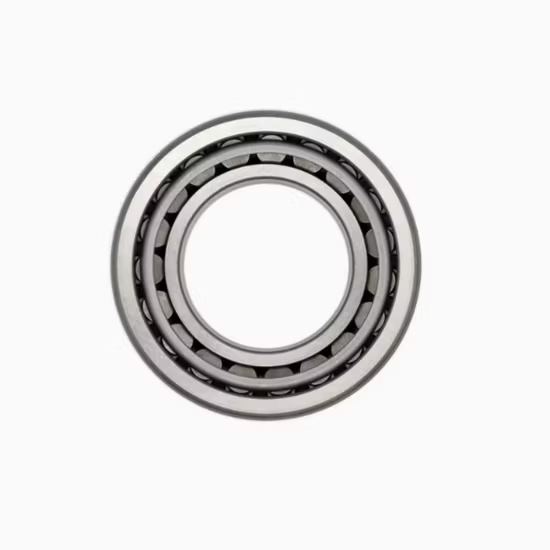
30311 30312 Tapered Roller Bearing P4 — engineered with GCr15 steel to handle combined radial and axial loads in truck lifting equipment.
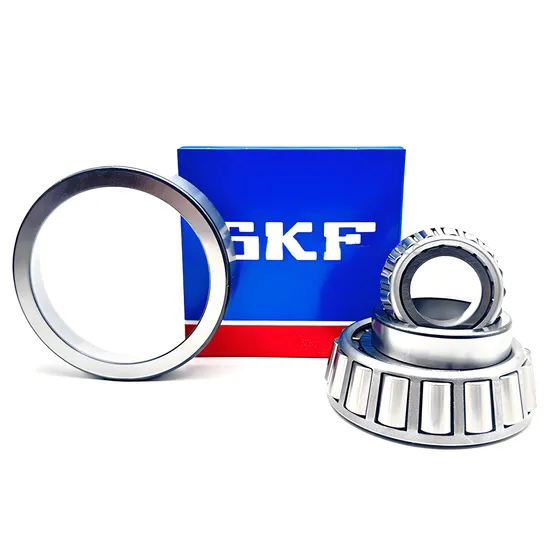
Authorized Multi-Brand Coverage — Securing genuine 30311 and 30312 replacements from a single supply channel eliminates the coordination delays typical of mixed-brand heavy equipment maintenance.
| Parameter | Value |
|---|---|
| Designation | 30311 30312 |
| Bearing Type | Tapered Roller Bearing |
| Number of Rows | Single Row |
| Precision Class | P4 |
| Cage Material | Available in Nylon, Brass, or Iron variants |
| Material | GCr15 Bearing Steel |
| Origin | Germany / Japan / Sweden / Malaysia / China |
| HS Code | 8482500090 |
| Minimum Order Quantity | 1 PCS |
| Industry | Typical Applications |
|---|---|
| Truck Mounted Lifting | Crane slewing mechanisms, outrigger pivot points, boom extension sheaves |
| Heavy Vehicle Repair | Truck axle wheel hubs, steering knuckle pivots, drivetrain support |
| Industrial Gearboxes | Heavy-duty reduction gear shafts, conveyor drive pulleys |
Basic designation matching ignores the thermal and dynamic realities of heavy lifting.
In the Latin American construction sector, I have repeatedly dismantled crane booms suffering from severe vibration and eventual seizure. The root cause is rarely the steel itself, but rather a cross-reference error where a standard replacement was installed without verifying internal clearances or cage materials. When a standard clearance bearing is forced into a high-heat, heavy-load lifting environment, thermal expansion eliminates the internal play, leading to catastrophic binding . Sourcing a genuine 30311 30312 precision tapered roller bearing requires looking past the base number to ensure the internal geometry survives the operational stress.
The operational profile of truck-mounted cranes demands components that handle severe combined loading. Selecting the correct 30311 30312 precision tapered roller bearing involves validating that the P4 tolerance class is maintained across the entire batch, ensuring predictable rolling friction. Our technical review process cross-references the OEM equipment requirements against the specific internal design, preventing the installation of under-specified alternatives that compromise boom stability.
Lifting operations generate substantial friction heat, particularly in slow-speed, high-load pivot points. If the internal clearance is not specified to accommodate this thermal growth, the rolling elements will skid rather than roll. Furthermore, the cage must endure intense vibration; while iron cages offer structural rigidity for heavy shock loads, brass or nylon variants might be necessary depending on the specific speed and temperature profile of the axle or crane joint .
The P4 precision class dictates tighter dimensional and running accuracy, which is critical for minimizing vibration in sensitive lifting mechanisms. The GCr15 bearing steel provides the necessary core toughness and surface hardness to resist spalling under heavy axial and radial forces. Depending on the exact operating environment, the cage material can be specified from available Nylon, Brass, or Iron variants, allowing maintenance teams to optimize the component for either high-shock resistance or improved high-speed stability.
Installing a bearing that matches the basic dimensions but lacks the correct internal design leads to rapid degradation. According to ISO 281 fatigue life calculations, improper internal clearance drastically reduces the operational lifespan, resulting in unplanned downtime and potential damage to the surrounding housing . In heavy vehicle repair, this means a truck is off the road, generating zero revenue while waiting for emergency warranty replacements.
We do not simply ship a box with the right numbers printed on it. Every 30311 and 30312 order undergoes a strict cross-reference check that includes cage material and precision suffixes, eliminating the risk of receiving a standard P0 grade when P4 is required. Our multi-brand authorization means you can consolidate your SKF, FAG, or NSK requirements into one traceable shipment. We provide full batch documentation before the parts leave our facility, ensuring your maintenance team knows exactly what they are installing.
To ensure the selected components match your exact operational demands, provide our engineering team with the specific radial and axial loads, operating temperatures, and rotational speeds of your lifting equipment. If you are replacing an existing unit, share the OEM equipment number or the exact dimensions of the housing and shaft. This data allows us to perform a comprehensive cross-reference review and confirm the optimal cage material and internal configuration for your application.
Q: How do I verify the authenticity of the received bearings?
A: Every unit includes batch traceability documentation and a QR code. You can scan this code using the official mobile application of the respective manufacturer to instantly verify the production origin and confirm the P4 precision specifications match the physical product you received.
Q: Why is cross-referencing more than just the base number important?
A: Matching only the base designation often overlooks critical internal parameters. A standard replacement might lack the P4 precision or the specific cage material required for your crane's vibration profile, leading to premature thermal binding and unexpected equipment failure in the field.
Q: How do I choose between Nylon, Brass, and Iron cages?
A: The choice depends on your specific operating conditions. Iron cages are typically preferred for heavy shock loads and high vibrations in lifting equipment, while brass or nylon variants may be selected for applications requiring different friction characteristics or operating at varied temperature ranges.
Q: What does the P4 precision class mean for my truck lifting equipment?
A: P4 indicates tighter dimensional and running accuracy compared to standard grades. In lifting mechanisms, this precision minimizes operational vibration, ensures smoother load handling, and reduces uneven wear on the raceways, ultimately extending the service interval of the crane or axle assembly.
Our 5-step process ensures every order is engineered, validated, and supported for optimal performance.
Technical needs assessment
Custom specifications
Free samples for $50k+
Pre-shipment inspection
On-site & predictive
Our certified engineers respond within 24 hours with detailed technical specifications, pricing, and lead time information.