01
Consultation
Technical needs assessment


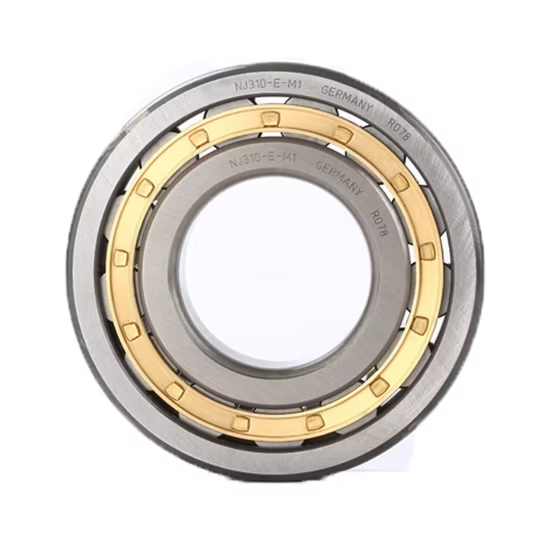
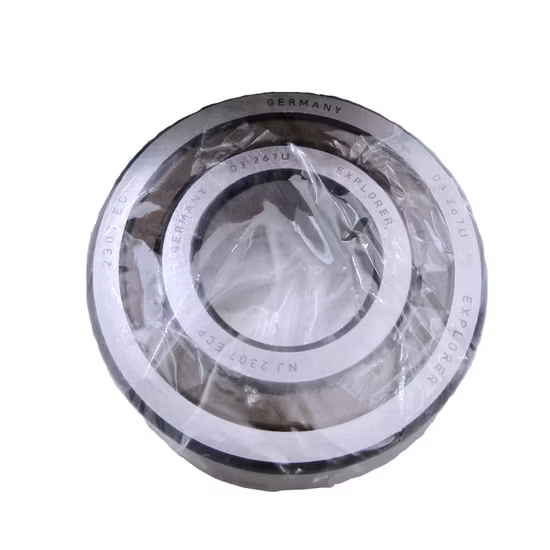

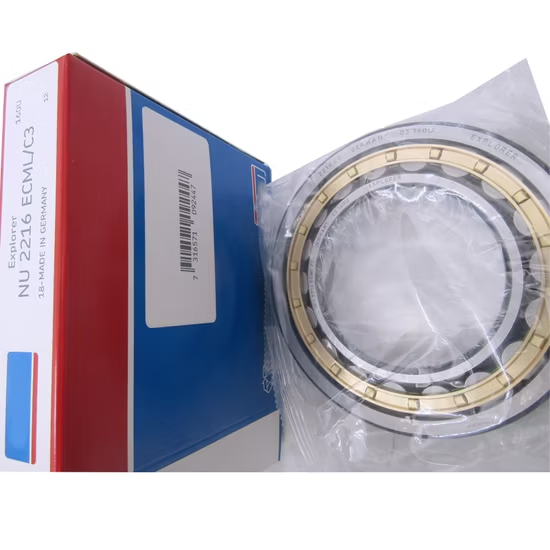
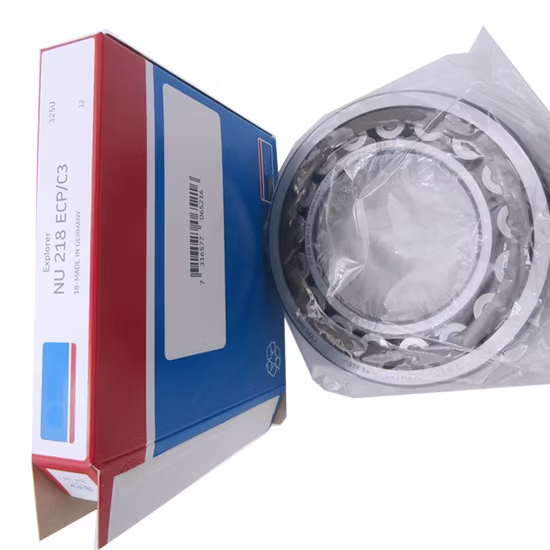
Nj305/Nj306/Nj307/Nj308/Nj309 E M Cylindrical Roller Bearings feature optimized internal geometry for increased radial load capacity and machined brass cages ensuring reliable op*able design with two inner ring flanges facilitates independent mounting and clearance adjustments.
Cross-reference alignment verified — Base number, brass cage material, and optimized internal design suffixes are strictly matched during interchange checks.
| Parameter | Value |
|---|---|
| Designation | Nj305/Nj306/Nj307/Nj308/Nj309 E M |
| Bearing Type | Cylindrical Roller Bearing |
| Number of Rows | Single |
| Cage Material | Machined brass (M) |
| Internal Design | Optimized for increased load capacity (E) |
| Inner Ring Configuration | Two integral flanges (NJ) |
| Separability | Separated inner and outer rings |
| Origin | Germany / Japan / Sweden / Malaysia / China |
| Industry | Typical Applications |
|---|---|
| Industrial Gearboxes | Heavy-duty reduction gear shafts and pinion supports |
| Electric Motors | High-capacity rotor shafts requiring rigid radial support |
| Machine Tool Spindles | Secondary support positions handling heavy radial cutting forces |
Machined brass cages prevent catastrophic rib failures under shock loads.
When a generic NJ305-NJ309 E M cylindrical roller bearing operates inside an industrial gearbox, the internal components face severe radial stress and sudden torque spikes. Stamped steel cages often deform under these exact conditions, leading to roller skewing and eventual inner rib fracture. I have personally dismantled gearboxes where mismatched cage materials caused total assembly lock-up within weeks of installation. Upgrading to a solid brass cage ensures the rollers remain perfectly aligned, drastically reducing the risk of sudden thermal binding .
Selecting the correct generic NJ305-NJ309 E M cylindrical roller bearing requires matching the internal geometry to the specific radial demands of the shaft. The two integral flanges on the inner ring provide excellent axial guidance in one direction, while the optimized roller profile distributes contact stress evenly across the raceway. Our technical team reviews your load diagrams to ensure this specific configuration handles the operational forces without edge-loading the rollers.
Heavy radial loads combined with high rotational speeds generate substantial friction heat inside the bearing envelope. If the operating temperature rises significantly, standard radial clearance can quickly vanish, causing the rollers to bind against the flanges. Proper lubrication flow is critical to carry this heat away, while the machined brass cage provides superior guidance and durability even when the oil film thickness fluctuates under varying load conditions .
The M suffix indicates a machined brass cage, which offers exceptional structural integrity and operates reliably at elevated temperatures where polymer cages would degrade. The E suffix denotes an optimized internal design with larger and more numerous rollers, substantially increasing the radial load-carrying capacity compared to standard designs. Furthermore, the separable nature of the NJ series allows the inner ring to be mounted independently on the shaft using induction heating, simplifying maintenance and ensuring precise interference fits without damaging the outer ring assembly.
Substituting a standard clearance bearing where a C3 expansion clearance is required often leads to premature failure due to thermal expansion constraints. When procurement teams focus solely on the base number and ignore the cage material or internal design suffixes, the resulting mismatch causes excessive friction and rapid wear. According to ISO 281 standards for life calculation, operating a bearing outside its designed geometric parameters severely compromises the calculated fatigue life, resulting in unplanned downtime and costly secondary damage to the housing .
Sourcing mixed-brand requirements from a single authorized channel eliminates the coordination delays typical of fragmented supply chains. We strictly verify that the cross-referenced equivalents match not just the base dimensions, but also the exact brass cage and optimized internal design specifications. Every shipment includes verifiable batch traceability, ensuring the inner ring hardness meets original factory standards and eliminating the risk of counterfeit components with soft raceways. Our application-based selection review prevents the costly mistake of installing standard precision grades in high-speed spindle environments.
To facilitate an accurate technical review and L10 life calculation, please share your specific radial and axial load profiles, operational speeds, and expected thermal gradients. If you are replacing an existing component, providing the exact OEM equipment number allows our engineering team to perform a precise cross-reference verification. This data ensures we recommend the correct clearance class and confirm that the brass cage configuration perfectly matches your application requirements.
Q: Why does the cage material suffix matter during cross-referencing?
A: Matching only the base number while ignoring the M suffix can result in receiving a stamped steel cage instead of machined brass. In heavy-duty gearboxes, this material downgrade leads to cage deformation under shock loads, causing roller skewing and rapid inner rib failure. We ensure the cage material perfectly aligns with the original equipment specifications.
Q: How do I verify the authenticity of the received bearings?
A: Every unit we supply features a unique batch code that can be scanned using the manufacturer's official mobile application. This digital verification confirms the production origin, material grade, and factory inspection records, effectively eliminating the risk of installing counterfeit bearings with compromised inner ring hardness.
Q: What is the advantage of the E suffix in this series?
A: The E suffix indicates an optimized internal geometry that accommodates larger rolling elements, substantially increasing the radial dynamic load rating. This design enhancement allows the bearing to withstand heavier operational forces and extends the calculated fatigue life in demanding power transmission applications without altering the external envelope dimensions.
Q: How should the separable inner ring be mounted?
A: The inner ring should be heated using a controlled induction heater to expand the bore, allowing it to slide smoothly onto the shaft without excessive force. It is critical to monitor the temperature carefully to avoid altering the metallurgical properties of the steel, and to ensure the shaft shoulder provides adequate axial support for the integral flanges.
Our 5-step process ensures every order is engineered, validated, and supported for optimal performance.
Technical needs assessment
Custom specifications
Free samples for $50k+
Pre-shipment inspection
On-site & predictive
Our certified engineers respond within 24 hours with detailed technical specifications, pricing, and lead time information.