01
Consultation
Technical needs assessment


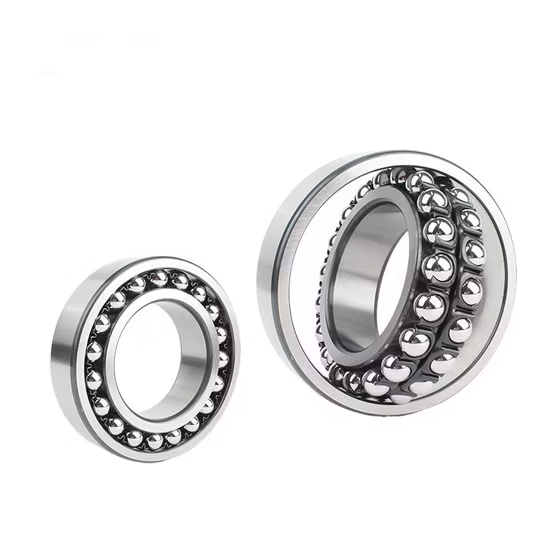
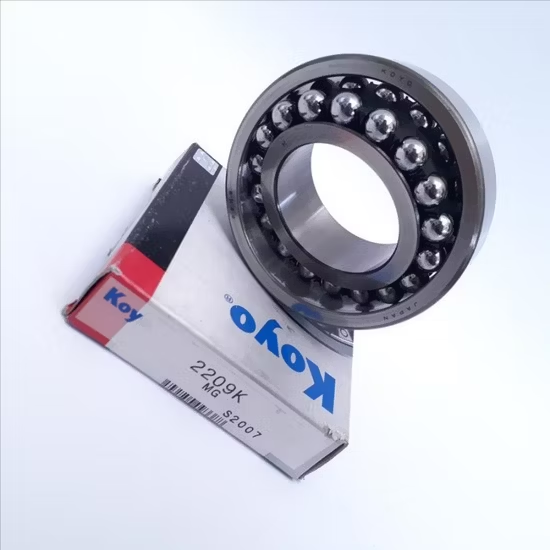
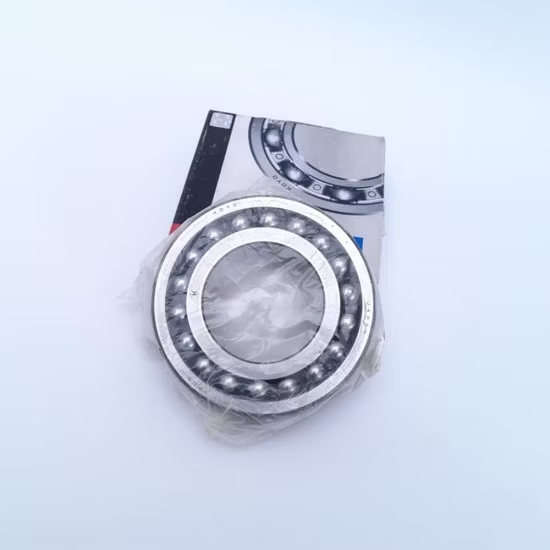


NTN NSK Koyo 2301 2302 2303 2304 2305 2306 2307 2308 2309 2310 Self-Aligning Ball Bearings — Japanese-made series accommodating shaft misalignment and deflection across electric motors, conveyors, and agricultural machinery.
Our cross-reference verification aligns clearance, cage material, and precision grade across all NTN, NSK, and Koyo variants — every shipment includes full batch traceability documentation with QR authentication via official brand applications.
Full Batch Traceability — Every shipment includes manufacturer lot documentation verified through official brand applications.
| Parameter | Value |
|---|---|
| Designation | 2301 2302 2303 2304 2305 2306 2307 2308 2309 2310 |
| Product Type | Self-Aligning Ball Bearing |
| Brand Coverage | NTN, NSK, Koyo |
| Seal or Shield Type | Open, Rubber Seals, Iron Seals |
| Origin | Japan, Germany, Sweden, Malaysia, China |
| HS Code | 848210 |
| Industry | Typical Applications |
|---|---|
| Material Handling | Conveyor belt return idlers and drive pulley shafts |
| Agriculture | Combine harvester threshing cylinders and auger drives |
| Electric Motors | Cooling fan assemblies and auxiliary drive shafts |
| Textile Machinery | Spinning frame rollers and yarn guide mechanisms |
Genuine inner ring hardness is the only defense against shaft deflection.
Sourcing original Japan NTN NSK Koyo 2301-2310 self-aligning ball bearing units requires strict verification, as counterfeit rings often feature soft steel that deforms under radial load . Cloned QR codes frequently bypass casual visual checks, leaving procurement teams vulnerable to premature cage failure. I have seen operations halted because a visually identical fake bearing could not handle the misalignment typical in conveyor systems, causing the inner ring to gall and seize the shaft.
Selecting the correct NTN NSK Koyo 2301-2310 self-aligning ball bearing variant depends entirely on the operating environment. Open designs suit clean, oil-lubricated gearboxes, while rubber seals provide essential friction-based exclusion for agricultural dust. Iron shields offer a middle ground, protecting motor assemblies from larger debris without generating excessive sealing friction at higher rotational speeds.
These applications subject shafts to combined radial loads and moderate axial displacement. Temperature fluctuations in textile drying zones alter internal clearances, making the choice between standard and expanded clearances critical. Proper lubrication intervals must account for the friction generated by rubber seals, whereas open variants rely on the housing's oil bath or external grease feed to prevent cage starvation .
The primary distinction across this series lies in the sealing configuration rather than complex internal suffixes. Open bearings allow maximum speed capability but require pristine housing environments. Rubber sealed variants introduce contact friction, which slightly reduces the limiting speed but drastically improves moisture exclusion. Iron shielded versions utilize non-contact labyrinth gaps, balancing speed retention with basic particulate defense. Ensuring the internal cage design matches the vibration profile of the specific equipment prevents premature fatigue.
Installing a standard clearance bearing where thermal expansion demands a C3 equivalent leads to catastrophic internal preload. The rolling elements bind against the raceway, generating excessive heat that degrades t*time voids equipment warranties and cascades into adjacent drivetrain components, far exceeding the initial savings of an incorrectly specified part .
We consolidate mixed-brand requirements, allowing you to source NTN, NSK, and Koyo units in a single shipment. Our technical review specifically checks for clearance and cage compatibility during cross-brand interchange, preventing the dangerous assumption that base numbers are universally identical. We reject soft-ring counterfeits by demanding batch traceability, ensuring the self-aligning capability performs reliably under vibration. Every order is backed by dimensional inspection reports that confirm the outer ring spherical raceway geometry.
Provide the exact radial and axial loads alongside operating speeds to allow our engineering team to verify the dynamic load rating. Specify the housing environment and contamination level so we can recommend the optimal sealing configuration. Supplying the OEM equipment number enables precise cross-reference checks to ensure the internal geometry matches your original design requirements.
Q: How do I verify the authenticity of these bearings using official apps?
A: Download the official verification application provided by the specific brand. Scan the QR code located on the individual product packaging or the outer carton. The app will cross-reference the batch number against the manufacturer's database, confirming the production facility and date while flagging cloned or duplicated codes.
Q: What cross-reference checks are critical when interchanging these brands?
A: Never assume base numbers are identical across manufacturers. You must verify that the internal clearance class, cage material, and sealing configuration match exactly. A base number might align, but substituting a steel cage for a polyamide one in high-vibration agricultural equipment will lead to rapid structural failure.
Q: How do I choose between rubber sealed and iron shielded variants?
A: Select rubber seals for environments with fine dust, moisture, or where maintenance access is restricted, accepting a slight reduction in speed limits due to contact friction. Choose iron shields for electric motors or gearboxes where larger debris is the primary concern and higher rotational speeds must be maintained without seal-induced heat generation.
Q: What is the difference between standard and expanded clearance in these applications?
A: Standard clearance suits stable temperature environments with precise shaft fits. Expanded clearance, such as C3, provides necessary internal space to accommodate thermal expansion from the shaft or housing. Using standard clearance in a high-heat textile dryer will cause the bearing to bind and seize as the metal expands during operation.
Q: How should I mount these bearings to avoid damaging the seals?
A: Always apply mounting forces directly to the inner ring when pressing onto the shaft. Never transfer force through the outer ring or the seals, as this will dent the raceway or dislodge the rubber seal lips from their grooves, immediately compromising the contamination barrier and voiding the warranty.
Our 5-step process ensures every order is engineered, validated, and supported for optimal performance.
Technical needs assessment
Custom specifications
Free samples for $50k+
Pre-shipment inspection
On-site & predictive
Our certified engineers respond within 24 hours with detailed technical specifications, pricing, and lead time information.