01
Consultation
Technical needs assessment

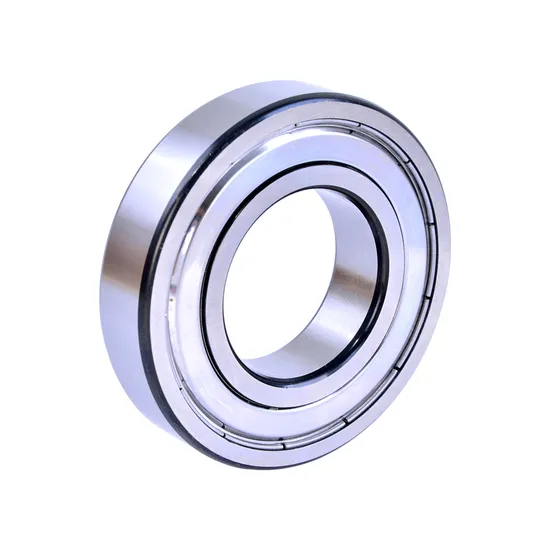


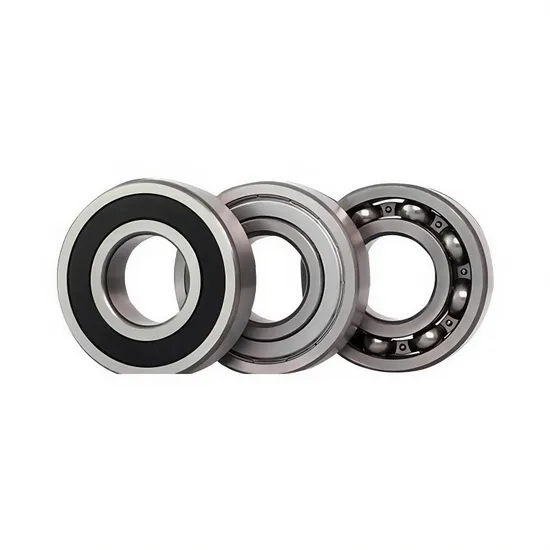
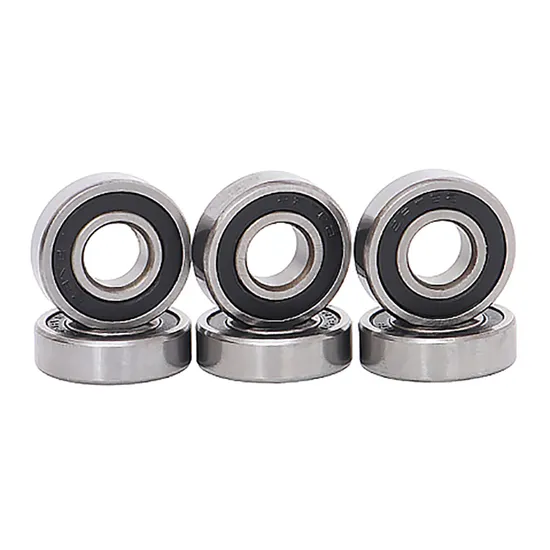
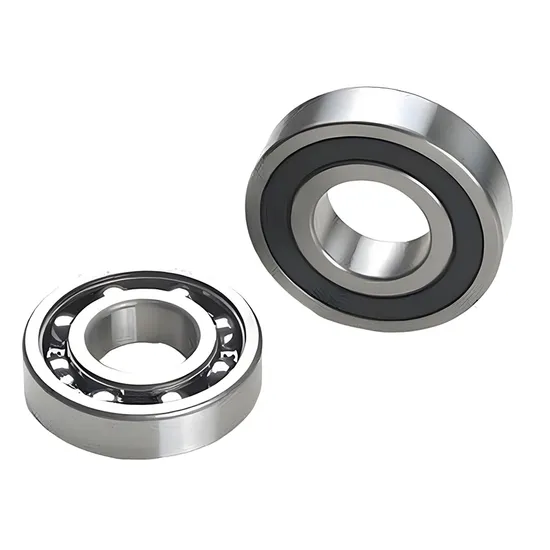
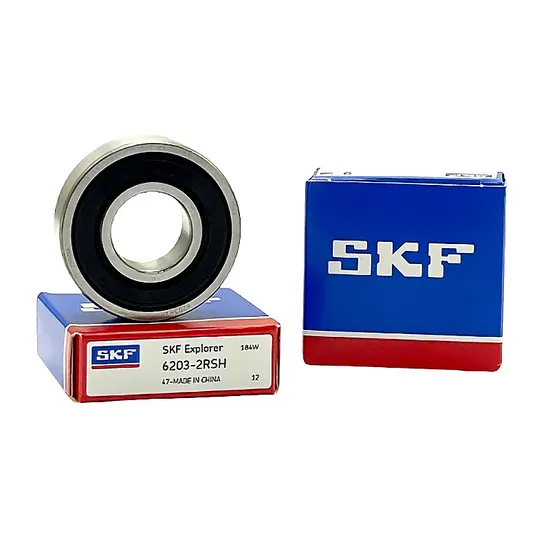
NSK 6328 Deep Groove Ball Bearing 140×300×62 mm — engineered for high radial load capacity in large industrial drives and heavy machinery applications.
Mixed-Brand Sourcing Simplified — Consolidate your NSK 6328 deep groove ball bearing requirements alongside other major manufacturer specifications through a single authorized supply channel.
| Parameter | Value |
|---|---|
| Designation | NSK 6328 |
| Bearing Type | Deep Groove Ball Bearing |
| Bore Diameter (d) | 140 mm |
| Outside Diameter (D) | 300 mm |
| Width (B) | 62 mm |
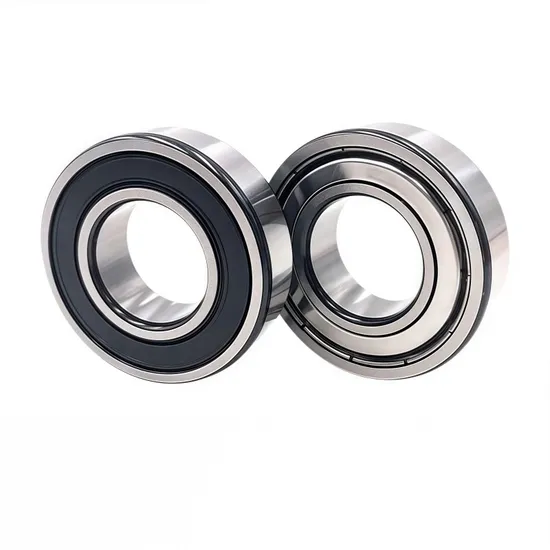
| Seal or Shield Type | Open / ZZ (Iron Shields) / 2RS (Rubber Seals) |
| Origin | Japan |
| Industry | Typical Applications |
|---|---|
| Heavy Manufacturing | Large industrial electric motor main shafts |
| Mining & Crushing | Vibrating screen drive mechanism supports |
| Material Handling | Heavy-duty conveyor pulley bearing housings |
| Power Generation | Industrial gearbox intermediate shaft mounting |
Matching the shield or seal configuration to the exact environmental contamination level prevents premature lubricant degradation and catastrophic raceway scoring.
I still review failure analysis reports where a standard iron-shielded variant was installed in a high-moisture washing environment, resulting in rapid grease emulsification and total seizure within weeks . Procurement teams often focus exclusively on the base dimension set, overlooking how a mismatched sealing arrangement compromises the internal tribology. When sourcing large-bore components, verifying the exact suffix ensures the internal lubricant remains isolated from the specific particulate or fluid threats present in your facility.
The 140x300x62 mm dimensional profile of the NSK 6328 deep groove ball bearing is engineered to sustain substantial radial forces typical in heavy industrial drives. Our technical team reviews your specific load vectors to confirm this deep groove geometry is appropriate, or we execute a precise cross-reference to alternative series if combined axial loads exceed the standard threshold. This application-based selection review ensures the internal contact mechanics align perfectly with your operational demands.
Heavy machinery operates under severe thermal gradients and intense particulate exposure, demanding careful attention to internal clearance and sealing friction. When large shafts expand under operational heat, a standard clearance class may lead to internal preload and subsequent thermal binding, making C3 or C4 clearance selections critical for these large-bore applications . Furthermore, the choice between contact rubber seals and non-contact iron shields balances the need for maximum contamination exclusion against the risk of excessive frictional heat generation at higher rotational speeds.
Understanding the specific suffix designations is critical for maintaining equipment reliability. The ZZ configuration utilizes double steel shields, offering low-friction protection against large dry particulates without generating significant heat. Conversely, the 2RS variant employs double contact rubber seals, providing superior exclusion of fine dust and moisture, albeit with a slight reduction in limiting speed due to seal lip friction. The Open design is specified when the housing provides superior external sealing or when the application requires continuous oil bath lubrication and frequent internal inspection. Note: Quality levels such as Z1V1 through Z4V4 mentioned in some generic catalogs are unverified for this specific manufacturer series and require official catalog confirmation before specification.
Installing a component with incorrect internal clearance or inadequate sealing leads directly to unplanned downtime and severe secondary damage to adjacent shafts and housings. A standard clearance part forced into a high-temperature gearbox will experience thermal binding, accelerating fatigue spalling and ultimately causing catastrophic cage failure . Furthermore, utilizing a non-contact shield in a wet processing environment voids warranty claims due to rapid lubricant washout. These qualitative failures emphasize why precise suffix alignment is non-negotiable for critical spares.
We maintain authorized distribution coverage across all major international brands, allowing you to fulfill mixed-brand MRO requirements in a single consolidated shipment. Our cross-brand interchange expertise matches not just the base dimension, but the exact seal type, cage material, and internal clearance required by your OEM equipment. Every large-bore unit we supply includes full batch traceability to the manufacturer, eliminating the risk of counterfeit parts with soft inner rings. We also provide application-based selection reviews to verify load, speed, and temperature parameters before finalizing your order.
To ensure precise technical alignment, please provide your operational parameters including radial and axial loads, rotational speeds, and ambient temperature ranges. Supplying the OEM equipment designation or the exact housing dimensions allows our engineering team to execute a thorough cross-reference review and L10 life calculation. This data enables us to confirm the optimal seal type and internal clearance for your specific machinery.
Q: How do I verify the authenticity of large-bore NSK bearings using digital tools?
A: Counterfeiters often clone standard QR codes on large-bore packaging. We provide original batch documentation that allows you to scan the physical label using the official manufacturer application. This direct digital verification confirms the production facility, date, and exact suffix, ensuring the component is genuine before it enters your critical equipment.
Q: What are the critical cross-reference pitfalls when replacing standard clearance with C3 in gearboxes?
A: A common error is matching only the base 6328 designation while ignoring the internal clearance suffix. Installing a standard CN clearance in a high-temperature gearbox causes thermal binding as the shaft expands, leading to rapid cage failure. Our technical review ensures the replacement matches the exact C3 or C4 clearance required for your specific thermal expansion profile.
Q: How do I choose between ZZ iron shields and 2RS rubber seals for mining conveyors?
A: The ZZ iron shields provide low-friction protection against large, dry rocks and dust, making them suitable for dry conveying. However, if the conveyor operates in high-moisture environments or requires frequent washdowns, the 2RS rubber seals are mandatory to prevent water ingress and subsequent grease emulsification. We review your specific contamination profile to recommend the correct variant.
Q: Which mounting protocols are recommended for a 140mm bore deep groove ball bearing?
A: For a bore of this size, mechanical pressing is inadequate and risks brinelling the raceways. Induction heating is the required protocol to achieve uniform thermal expansion of the inner ring. The component must be heated to the precise temperature threshold, mounted quickly against the shaft shoulder, and held in place until it cools to prevent axial creep.
Our 5-step process ensures every order is engineered, validated, and supported for optimal performance.
Technical needs assessment
Custom specifications
Free samples for $50k+
Pre-shipment inspection
On-site & predictive
Our certified engineers respond within 24 hours with detailed technical specifications, pricing, and lead time information.