01
Consultation
Technical needs assessment


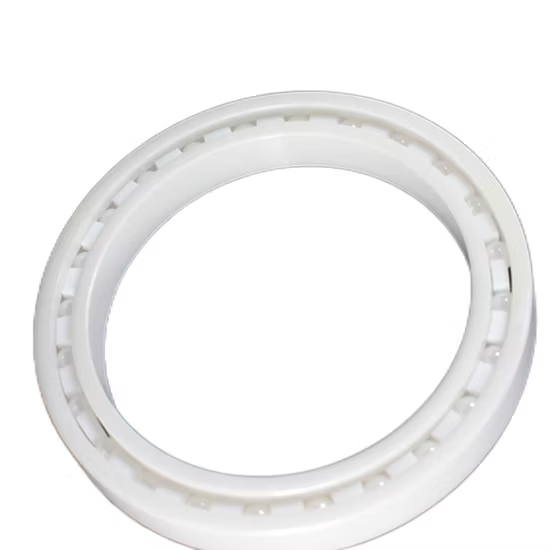

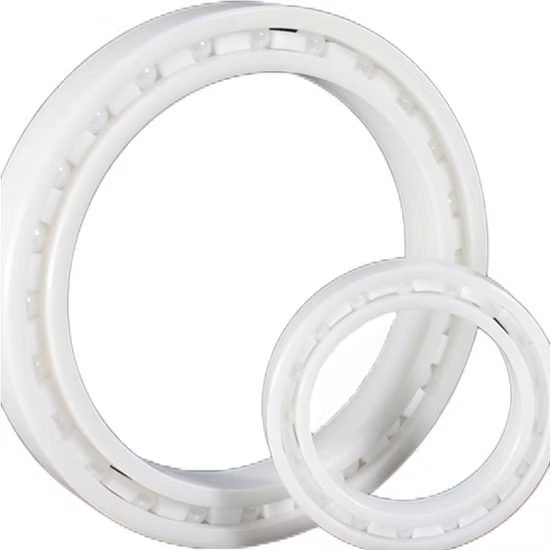
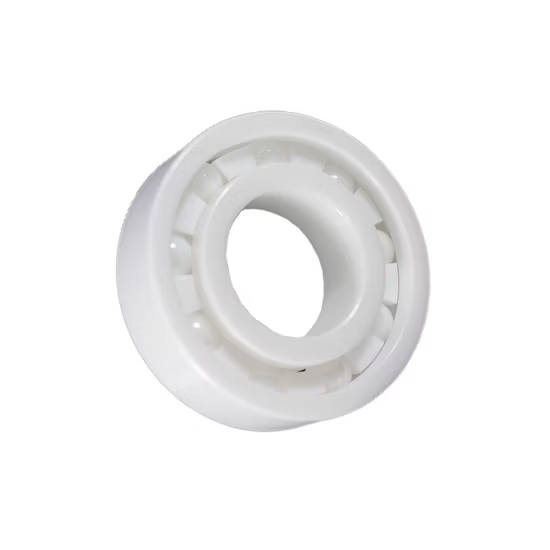

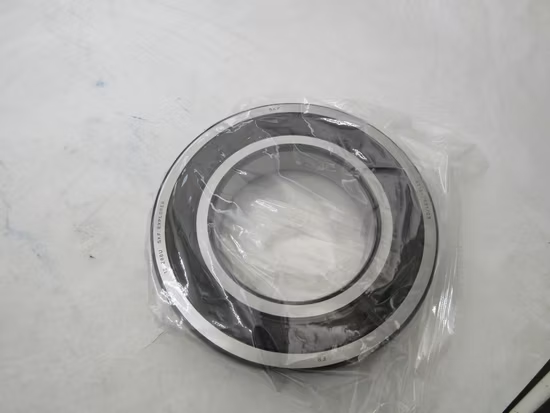
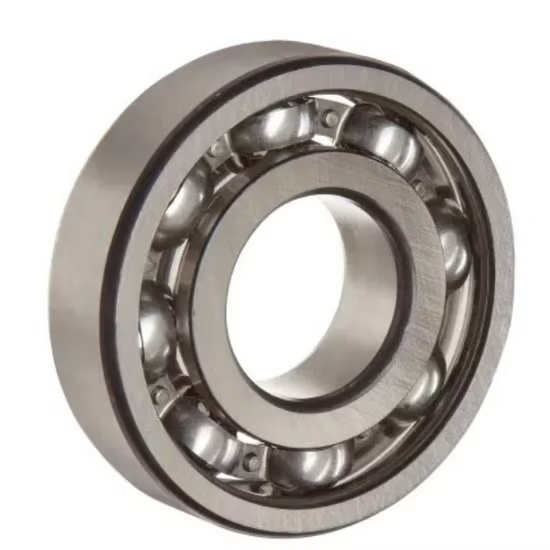
Mr52 Deep Groove Ball Bearing — single-row miniature design in POM plastic construction, delivering excellent corrosion resistance and low-noise operation for precision instruments, medical devices, and small electric motors.
Multi-Brand Authorized Coverage — Sourcing mixed-brand micro bearings like the Mr52 deep groove ball bearing eliminates the need to coordinate with multiple vendors for a single assembly line.
| Parameter | Value |
|---|---|
| Designation | Mr52 |
| Bearing Type | Deep Groove Ball Bearing |
| Number of Rows | Single Row |
| Seal or Shield Type | Open, ZZ, 2RS |
| Precision Class | P0, P6, P5, P4, P2 |
| Material Options | POM plastic, bearing steel variants |
| Origin | Shanghai |
| Industry | Typical Applications |
|---|---|
| Electric Motors | Micro motor shafts, cooling fan assemblies |
| Precision Instruments | Optical device focusing mechanisms, laboratory centrifuges |
| Household Appliances | High-speed blenders, smart lock actuator gears |
| RC Models & Drones | Brushless motor rotors, servo gearboxes |
Matching the exact polymer or steel grade to the thermal profile prevents catastrophic shaft binding.
In the Pearl River Delta manufacturing hubs, I have repeatedly seen micro motors fail within hours because procurement teams accepted generic plastic bearings without verifying the specific resin formulation. When standard POM is subjected to the friction heat of a high-speed rotor, the inner ring softens and deforms, leading to immediate shaft lock-up . Selecting the correct Mr52 deep groove ball bearing requires strict alignment between the material option and the operational temperature range to avoid these early-life seizures.
Specifying the right material for a Mr52 deep groove ball bearing dictates its survival in the field. POM plastic variants offer excellent corrosion resistance and quieter operation for moisture-rich or low-load environments, while bearing steel options handle higher radial loads and elevated thermal thresholds. Our technical team reviews your specific load and speed parameters to ensure the selected material option perfectly matches the application's physical demands.
Micro motors and precision instruments generate concentrated friction heat in highly confined spaces. If the bearing material lacks thermal stability, the internal clearance vanishes as components expand, causing severe binding. Furthermore, environments like household appliances or RC models introduce fine dust and humidity . Choosing between open, ZZ shielded, or 2RS sealed configurations is critical to balance friction reduction with adequate environmental protection.
The performance of micro bearings hinges on tight dimensional tolerances and appropriate sealing. Upgrading from standard P0 to P4 or P2 precision classes drastically reduces radial runout, which is essential for preventing vibration in optical instruments and high-speed spindles. Seal selection involves a direct trade-off: ZZ metal shields provide non-contact dust protection with minimal friction, whereas 2RS rubber seals offer superior moisture exclusion at the cost of slightly higher starting torque.
Installing a bearing with inadequate thermal resistance or incorrect internal clearance leads to rapid degradation. According to failure analysis frameworks like ISO 15243, thermal instability in micro bearings often manifests as severe smearing and cage collapse . These premature failures trigger unplanned downtime, void equipment warranties, and result in catastrophic damage to the surrounding motor windings or precision gears, far exceeding the initial component cost.
Our procurement process eliminates the guesswork that plagues micro bearing sourcing. We verify that the selected material option and precision class exactly match the OEM specifications, preventing the common error of installing standard clearance where thermal expansion demands C3. Every batch undergoes strict cross-referencing to ensure the seal type and internal geometry align with the equipment's original design. Furthermore, we provide full traceability, allowing you to verify authenticity and batch origin directly through manufacturer channels, completely bypassing the risk of counterfeit soft-ring components.
To ensure accurate selection and cross-referencing, please provide the specific radial and axial loads, operating speeds, and ambient temperatures for your application. Sharing the exact OEM equipment number allows our engineering team to verify the required seal configuration and precision class. This data enables us to recommend the optimal material option and confirm the L10 life expectancy for your specific micro motor or instrument assembly.
Q: How do I choose between POM plastic and bearing steel for micro applications?
A: POM plastic variants are ideal for applications requiring corrosion resistance, low noise, and operation in moist environments with lighter loads. Bearing steel options are necessary when the application involves higher radial loads, elevated operational temperatures, or requires ultra-high precision classes like P4. Always match the material to the specific thermal and mechanical profile of your equipment.
Q: Why must I verify both the seal suffix and precision class during cross-referencing?
A: Matching only the base designation often leads to field failures. A ZZ shield offers low-friction dust protection, while a 2RS seal provides superior moisture resistance but increases torque. Similarly, using a P0 grade in a high-speed spindle requiring P4 precision causes excessive vibration. Verifying all suffixes ensures the replacement matches the original equipment's exact operational parameters.
Q: How can I identify counterfeit micro bearings with soft inner rings?
A: Counterfeit micro bearings often use inferior materials that pass casual visual checks but fail under load. Request a material test report to verify the polymer or steel grade, and demand a dimensional inspection report. Most importantly, use the brand's official mobile app to scan the QR code on the packaging, which confirms the batch origin and exposes cloned labels used on fake components.
Q: What is the difference between P4 and P2 precision in micro instruments?
A: Both classes offer extremely tight dimensional and running tolerances compared to standard P0 bearings. P2 precision provides even stricter limits on radial runout and bore tolerances than P4. This ultra-high accuracy is typically reserved for high-speed precision spindles, optical focusing mechanisms, and laboratory centrifuges where microscopic vibration or shaft displacement would compromise the entire system's performance.
Our 5-step process ensures every order is engineered, validated, and supported for optimal performance.
Technical needs assessment
Custom specifications
Free samples for $50k+
Pre-shipment inspection
On-site & predictive
Our certified engineers respond within 24 hours with detailed technical specifications, pricing, and lead time information.