01
Consultation
Technical needs assessment

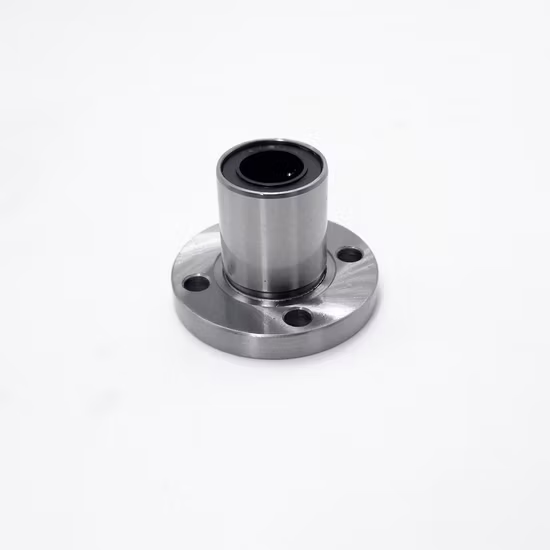
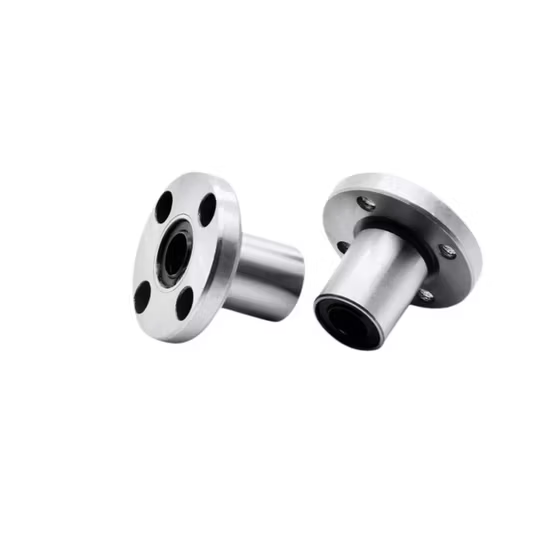
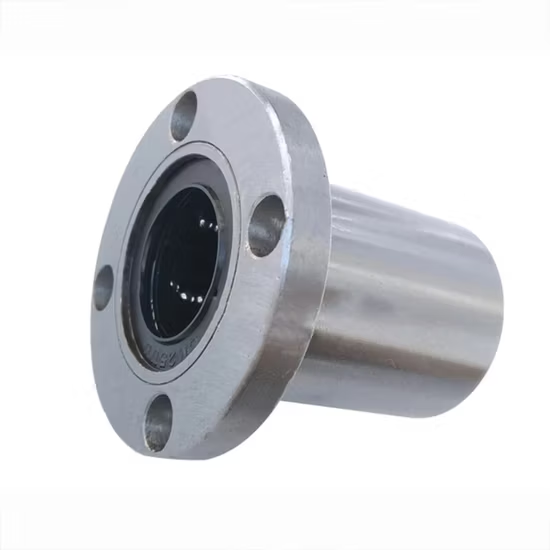
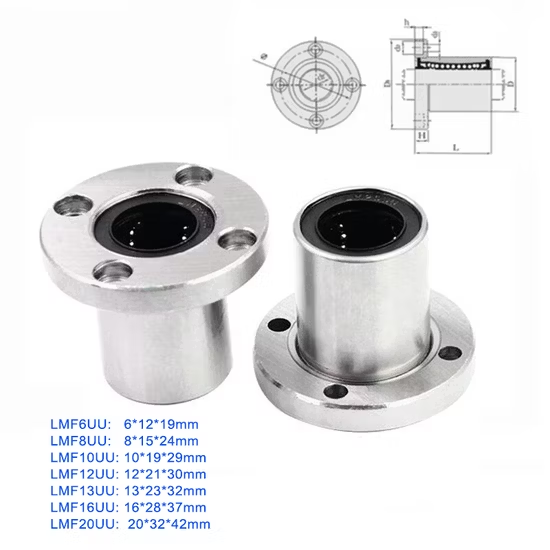
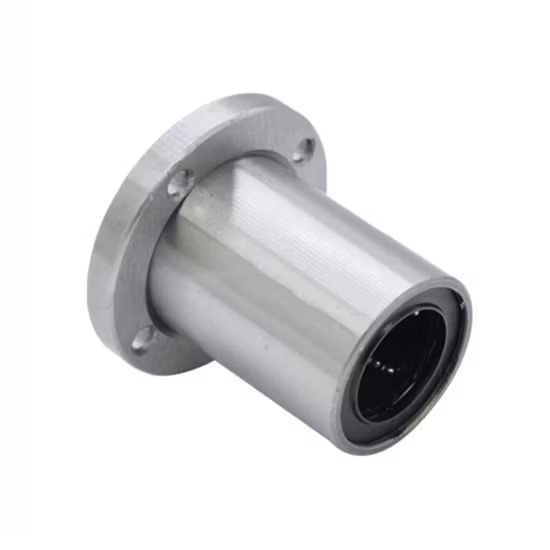
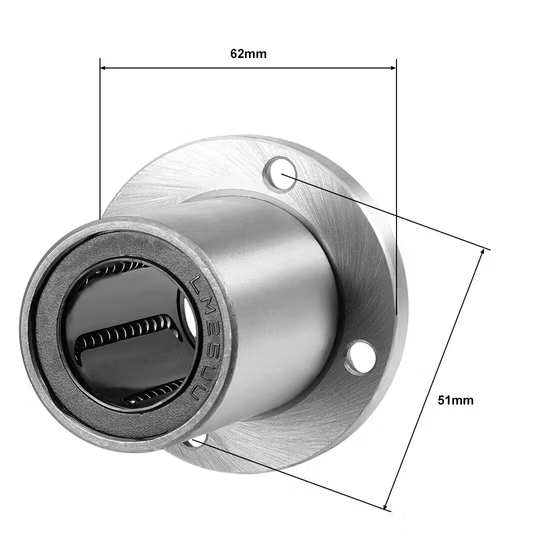
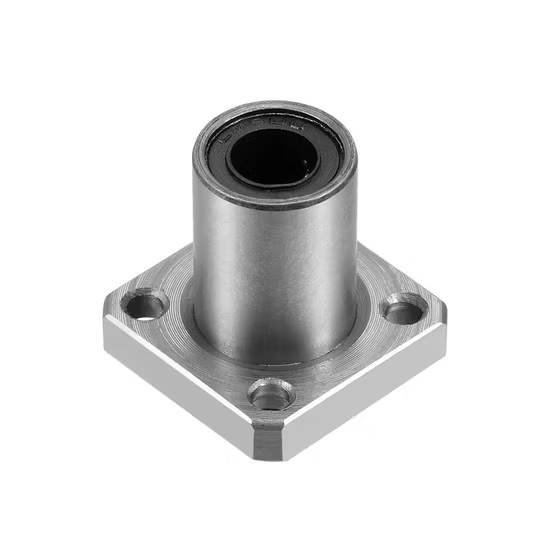
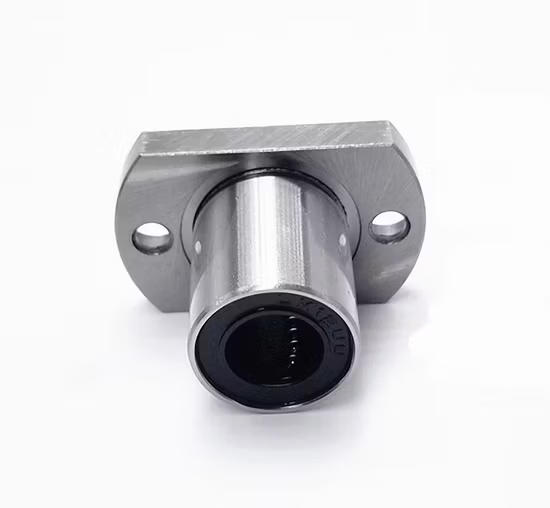
LMF35UU LMF40UU LMF50UU Flanged Linear Bearing — Circular flange design with bearing steel construction and nylon cage for high-speed, high-temperature linear motion in precision machinery.
Traceable Batch Origins — Every shipment includes manufacturer lot documentation linking directly to the production facility for these specific linear motion components.
| Parameter | Value |
|---|---|
| Designation | LMF35UU LMF40UU LMF50UU |
| Bearing Type | Flanged Linear Bearing |
| Flange Shape | Circular |
| Shape | Open |
| Series | LM |
| Material | Bearing Steel |
| Cage Material | Nylon |
| Precision Rating | P0, P2, P4, P5, P6 |
| Feature | High Temperature, High Speed, Low Voice |
| Origin | Germany, Japan, Sweden, Malaysia, China |
Note: Specific suffix definitions such as F and UU require manufacturer catalog confirmation as they remain unverified in standard generic nomenclature.
| Industry | Typical Applications |
|---|---|
| Machine Tool Manufacturing | High-speed spindle traverse mechanisms and precision grinding tables |
| Automated Assembly | Robotic arm linear guides and high-frequency pick-and-place actuators |
| Material Handling | Automated storage retrieval systems and precision conveyor diverters |
Matching the base designation is never enough to prevent catastrophic cage fragmentation.
Sourcing components based solely on the basic model number often leads to severe operational mismatches. I have seen countless automated assembly lines in Shenzhen grind to a halt because the internal structure was never verified against the actual duty cycle. When a standard cage is forced into a high-frequency reciprocating application, the resulting friction and thermal buildup quickly exceed the material's limits . The LMF35UU LMF40UU LMF50UU flanged linear bearing must be evaluated not just by its outer dimensions, but by its internal clearance and cage composition to survive rigorous industrial environments.
Selecting the right LMF35UU LMF40UU LMF50UU flanged linear bearing requires looking past the outer shell to evaluate how the internal rolling elements handle rapid directional changes. Our technical review process cross-references your specific stroke length and acceleration rates against the bearing's internal geometry. This ensures the selected variant can sustain the required velocity without generating excess friction heat, preventing the premature degradation that plagues poorly specified automation equipment.
High-speed linear motion generates significant localized heat, which directly impacts the operational clearance and lubrication film thickness. If the thermal expansion of the shaft and housing is not accounted for, the rolling elements can bind, leading to sudden seizure. Furthermore, the low-voice nylon cage design minimizes friction noise, but it requires careful consideration of the ambient temperature to avoid thermal softening. Proper alignment during installation is equally critical, as even minor angular misalignments in the circular flange mounting will introduce uneven load distribution and accelerate wear .
The availability of precision ratings from P0 to P2 dictates the running accuracy and positional repeatability of your machinery. While P0 might suffice for general material handling, machine tool spindles demand P4 or P2 tolerances to eliminate micro-vibrations during high-speed cutting operations. Equally important is the cage material; the nylon cage provides excellent low-friction and low-noise characteristics for rapid movements, but for applications involving extreme thermal loads, evaluating alternative cage options or specialized high-temperature variants becomes necessary to maintain structural integrity under continuous stress.
Overlooking minor suffix variations or assuming all open-type bearings share identical internal clearances inevitably leads to unplanned downtime. When a component designed for static loads is subjected to dynamic shock loads, the resulting surface fatigue causes rapid spalling and catastrophic failure. According to failure analysis frameworks like ISO 15243, improper selection of the internal geometry is a primary driver of premature wear . This not only voids equipment warranties but also triggers costly secondary damage to the surrounding linear guide rails and drive motors.
We provide authorized coverage across all major international brands, allowing you to consolidate mixed-brand requirements into a single, fully traceable order. Our cross-brand interchange process strictly matches clearance, cage material, and precision suffixes, ensuring the replacement part performs identically to the original equipment specification. We conduct an application-based selection review that factors in your specific load, speed, and temperature conditions to prevent the thermal binding commonly seen in poorly specified units. Every batch is backed by verifiable documentation, eliminating the risk of installing counterfeit components with soft inner rings that fail under pressure.
To ensure optimal performance, please provide your specific radial and axial load profiles, maximum traverse speeds, and operational temperature ranges. Sharing the exact OEM equipment number or the dimensional constraints of your linear guide block allows our engineering team to perform a comprehensive cross-reference check and L10 life calculation. This technical validation ensures the selected configuration perfectly aligns with your machinery's dynamic requirements.
Q: How do I properly cross-reference these linear bearings to ensure the flange and cage match OEM requirements?
A: Proper cross-referencing requires verifying the flange shape, internal clearance, and cage material, not just the base number. We match these specific parameters against your OEM equipment specifications to ensure the replacement part handles the exact load and speed conditions without causing thermal binding or premature cage failure in the field.
Q: What are the operational boundaries for nylon cages versus steel cages in high-speed linear motion?
A: Nylon cages offer excellent low-friction and low-noise performance, making them ideal for rapid, high-frequency reciprocating movements. However, they have strict upper temperature limits. If your application involves extreme heat or heavy shock loads, steel or brass cage variants must be evaluated to prevent thermal softening and structural fragmentation during continuous operation.
Q: How do different precision ratings impact the running accuracy of automated assembly machinery?
A: Higher precision ratings like P4 or P2 significantly reduce micro-vibrations and positional deviation during high-speed traverse operations. While P0 is adequate for general material handling, precision equipment and machine tool spindles require tighter tolerances to maintain exact cutting depths and ensure consistent product quality across thousands of automated cycles.
Q: What are the recommended mounting practices for circular flanged linear bearings to avoid misalignment?
A: The mounting surface for the circular flange must be machined perfectly flat to prevent housing distortion, which can bind the rolling elements. It is crucial to use precise alignment tools during installation, as even minor angular deviations will introduce uneven load distribution, accelerating wear and generating excess friction heat during high-speed linear movements.
Our 5-step process ensures every order is engineered, validated, and supported for optimal performance.
Technical needs assessment
Custom specifications
Free samples for $50k+
Pre-shipment inspection
On-site & predictive
Our certified engineers respond within 24 hours with detailed technical specifications, pricing, and lead time information.