01
Consultation
Technical needs assessment


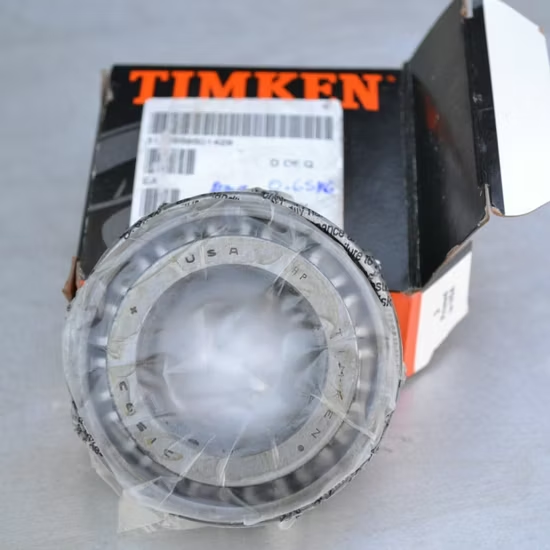
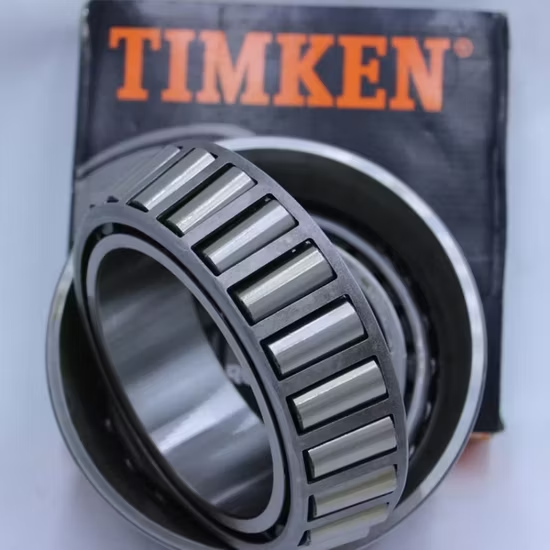
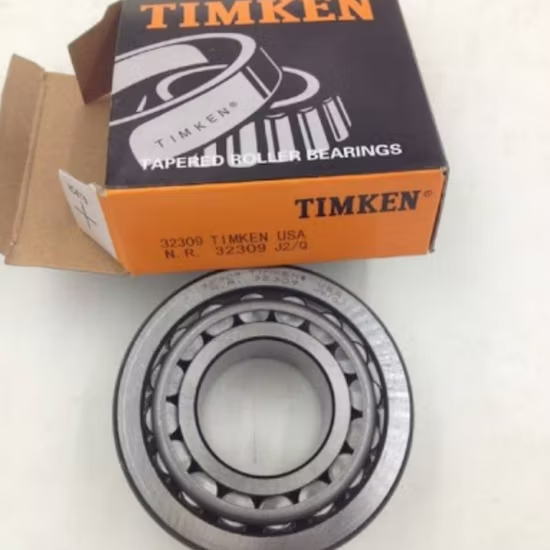
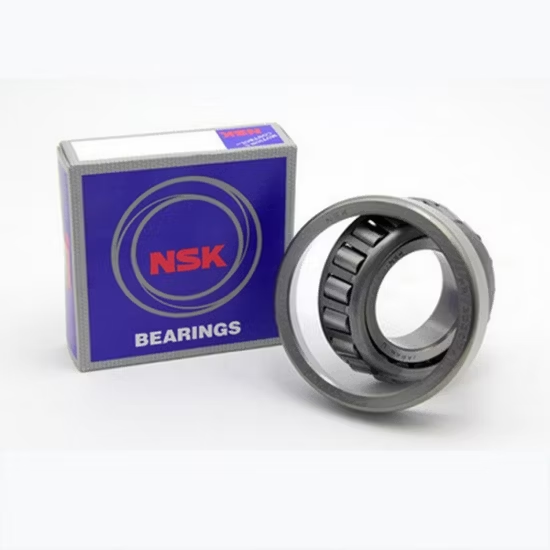

LM501349/14 Single Row Tapered Roller Bearing — engineered with GCr15 steel to manage combined radial and unidirectional axial loads.
Cross-reference tri-alignment — matching the base designation alongside internal cage design and precision suffixes prevents thermal binding in heavy-duty truck axles.
| Parameter | Value |
|---|---|
| Designation | LM501349/14 |
| Bearing Type | Tapered Roller Bearing |
| Number of Rows | Single Row |
| Precision Class | P4 |
| Material | GCr15 bearing steel |
| Cage Material Options | Nylon, Brass, or Pressed Steel |
| Origin Options | Germany, Japan, Sweden, Malaysia, or China |
| Industry | Typical Applications |
|---|---|
| Automotive & Heavy Vehicles | Truck drive axles, commercial wheel hub assemblies |
| Industrial Power Transmission | Heavy-duty industrial gearboxes, reducer shafts |
| Construction & Building Materials | Bulk material handling conveyors, aggregate crusher drives |
Mismatched internal clearances and incorrect cage materials cause catastrophic seizure under thermal expansion.
During my years troubleshooting equipment in Latin America, I witnessed entire fleet operations halted because a procurement team matched the base inch-series number but ignored the internal design suffixes. When a standard clearance bearing is forced into a high-temperature axle application without accounting for thermal expansion, the rolling elements bind against the raceways. This friction generates excessive heat, ultimately welding the cage to the rollers. A significant share of premature failures in heavy drivetrains stems directly from these cross-reference oversights rather than material defects . Sourcing an authentic LM501349/14 tapered roller bearing requires looking far beyond the basic stamped numbers on the outer ring.
Single row inch-series designs are engineered specifically to manage simultaneous radial forces and unidirectional axial thrust. In truck axles and industrial gearboxes, the LM501349/14 tapered roller bearing transfers these combined loads through the precisely machined contact lines between the rollers and the cup raceway. Our technical review process ensures the selected internal geometry aligns perfectly with your equipment's specific load vectors, preventing edge-loading that rapidly destroys raceway surfaces.
Axle and gearbox environments subject components to intense friction heat and heavy shock loads. As operating temperatures rise, the inner ring expands, which can eliminate the necessary internal clearance if the initial setup was not calculated for thermal growth. Proper lubrication is equally vital; heavy gearboxes often rely on splash lubrication, requiring a cage material that can withstand continuous oil churning without degrading, while wheel hubs demand grease that resists washing out under high-pressure conditions .
Achieving P4 precision in an inch-series tapered design demands exceptionally tight control over dimensional and running accuracy, which directly reduces vibration and heat generation at higher rotational speeds. The GCr15 high-carbon chromium steel provides the necessary core toughness and surface hardness to resist contact fatigue under heavy shock loads. Furthermore, selecting the right cage is vital: pressed steel cages offer high strength for heavy shock loads, brass cages provide superior durability under high-vibration conditions, and nylon cages reduce weight and friction for moderate-speed applications. Note: Specific suffix meanings for LM, 501349, and 14 remain unverified and require direct manufacturer catalog confirmation before finalizing the exact internal configuration.
Installing a replacement bearing that shares the base dimensions but lacks the correct internal geometry leads directly to unplanned downtime. When the contact angle or roller profile does not match the original equipment design, the load distribution becomes severely uneven. This localized stress triggers micro-pitting and spalling long before the calculated L10 life is reached. In critical mining or transport operations, such premature failures result in catastrophic damage to adjacent shafts and housings, voiding equipment warranties and multiplying repair costs .
We eliminate the risk of counterfeit parts by providing authorized coverage across all major global brands, allowing you to consolidate mixed-brand orders efficiently. For inch-series non-standard designs, cross-referencing is notoriously prone to errors; our engineering team verifies the internal cage design and precision class, not just the outer dimensions. Every shipment includes complete batch traceability back to the manufacturer's production facilities. We also provide application-based selection reviews to ensure the chosen configuration withstands your specific speed, load, and temperature parameters.
To ensure the selected configuration perfectly matches your machinery, please provide the exact radial and axial load parameters, operating speeds, and typical temperature ranges. Sharing the original OEM equipment number allows our engineering team to perform a comprehensive cross-reference check, verifying that the internal design and clearance class align with the factory specifications. This technical review guarantees that the replacement component will deliver the expected service life in your specific operating environment.
Q: Why must internal clearance and cage material be verified during cross-referencing?
A: Matching only the base inch-series dimensions ignores critical internal geometry. If the clearance is too tight for the operating temperature, thermal expansion will cause the bearing to seize. Similarly, using a nylon cage in a high-vibration, high-temperature gearbox instead of the specified brass cage leads to rapid cage degradation and catastrophic failure.
Q: What does P4 precision mean for an inch-series tapered design?
A: P4 precision indicates exceptionally tight control over dimensional tolerances and running accuracy. In heavy-duty gearboxes and axles, this high precision minimizes vibration, reduces friction heat generation, and ensures even load distribution across the rollers, ultimately extending the operational lifespan of the drivetrain components.
Q: How can I verify the authenticity of the supplied components?
A: Every unit is supplied with batch traceability documentation and a Certificate of Conformity. You can verify the authenticity directly by scanning the provided QR codes using the respective brand's official mobile application, ensuring the part is genuine and not a clone with a soft inner ring.
Q: How do I choose between steel, brass, and nylon cages for this application?
A: Pressed steel cages are ideal for standard heavy-load applications, while machined brass cages offer superior durability and heat dissipation in high-vibration or high-temperature environments. Nylon cages reduce friction and weight but are limited by lower maximum operating temperatures and chemical compatibility constraints.
Our 5-step process ensures every order is engineered, validated, and supported for optimal performance.
Technical needs assessment
Custom specifications
Free samples for $50k+
Pre-shipment inspection
On-site & predictive
Our certified engineers respond within 24 hours with detailed technical specifications, pricing, and lead time information.