01
Consultation
Technical needs assessment

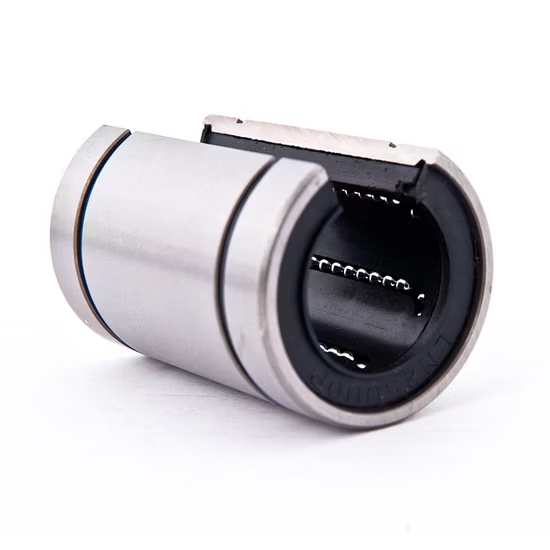
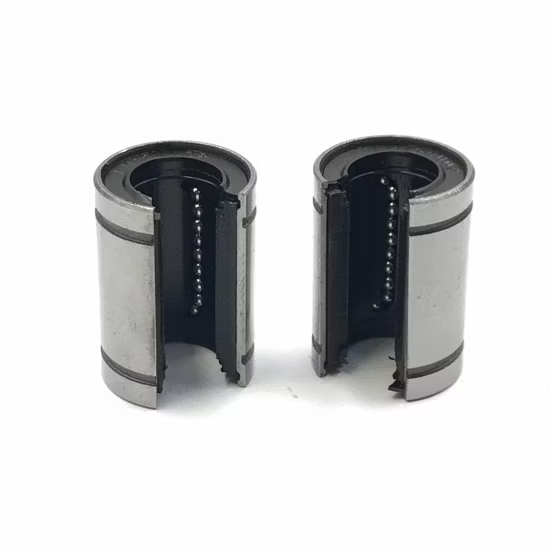
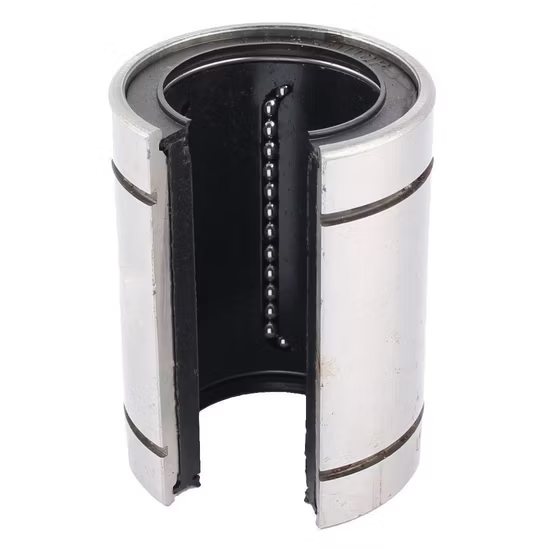
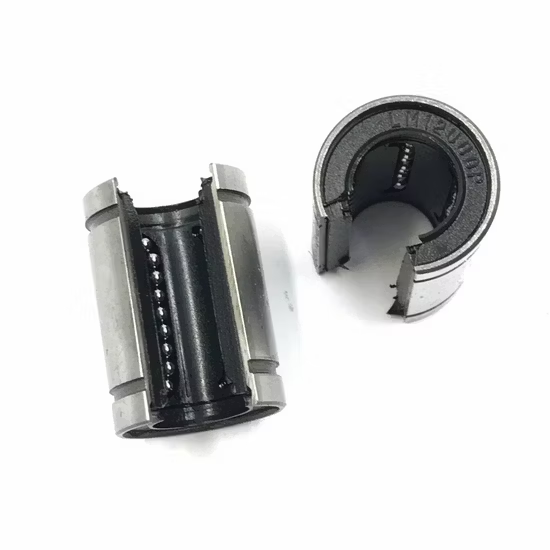
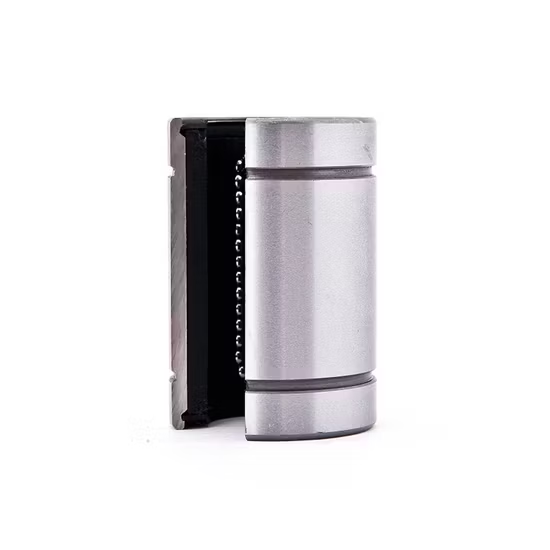
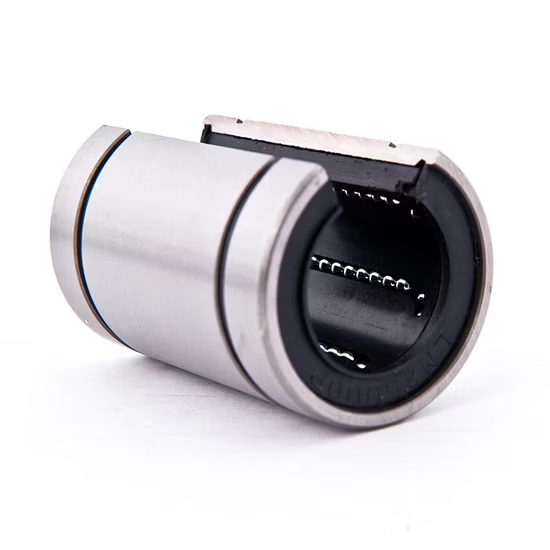
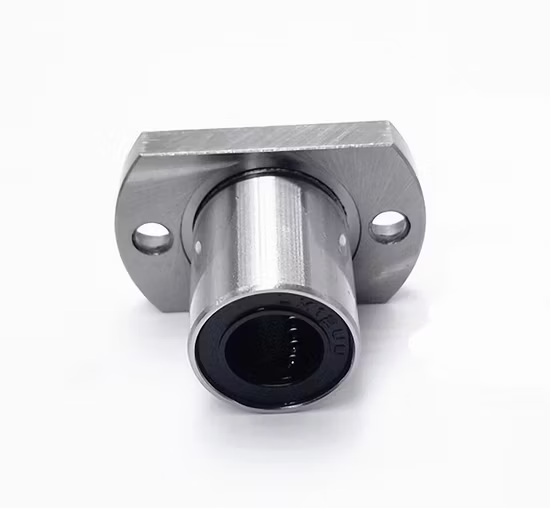
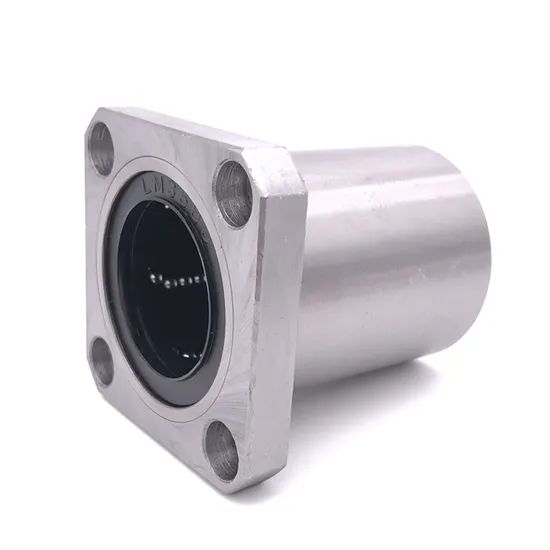
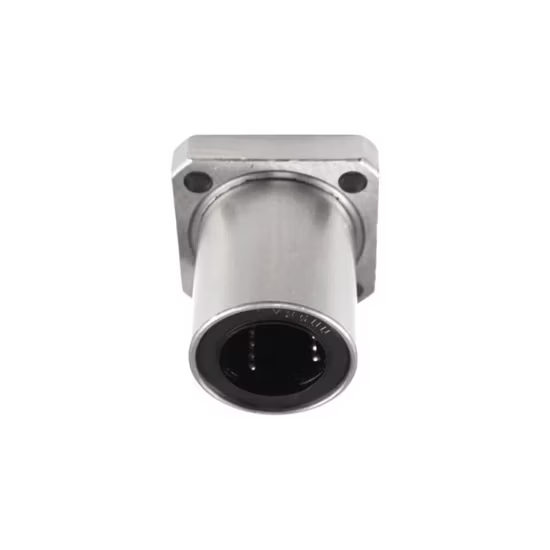
Lm30-Op Open Type Linear Bearing P0–P2 — the open design enables adjustable radial clearance through the housing block for precise preload tuning in linear motion systems.
Cross-reference alignment verified — Base dimensions, open housing compatibility, and nylon cage specs are matched simultaneously during interchange checks.
| Parameter | Value |
|---|---|
| Designation | Lm30-Op |
| Bearing Type | Linear Bearing |
| Shape | Open |
| Flange Shape | Circular |
| Material | Bearing Steel |
| Cage Material | Nylon |
| Precision Class | P0, P6, P5, P4, P2 |
| Feature | High Temperature, High Speed |
| Industry | Typical Applications |
|---|---|
| CNC Machining | Spindle linear guide rails and tool changer mechanisms |
| Automation | Automated assembly lines and Cartesian robot axes |
| Additive Manufacturing | 3D printer gantry systems and extruder carriages |
| Material Handling | Conveyor sorting gates and packaging machinery actuators |
Selecting the correct Lm30-Op open type linear bearing prevents the catastrophic binding that occurs when standard closed bushings are forced into adjustable housing blocks.
Procurement teams frequently authorize cross-references that match the base LM series prefix but overlook the critical open design suffix. This oversight forces maintenance crews to use closed bearings in slotted housings, completely nullifying the adjustable clearance mechanism. The resulting rigid fit generates excessive friction and rapid shaft wear under high-speed traversal.
The open architecture allows the housing block to compress slightly around the bearing, enabling precise preload tuning that closed designs simply cannot achieve. This specific Lm30-Op open type linear bearing integrates a high-speed nylon cage that maintains structural integrity even when the adjustable housing applies localized clamping forces. Our technical review ensures the base dimensions and cage material align perfectly with your adjustable block specifications, preventing the installation mismatches that cause early system failure.
Linear motion systems in automated assembly lines subject bearings to complex dynamic loads and rapid acceleration cycles. As the carriage speeds up, friction generates heat that alters the internal clearance between the bearing and the shaft. If the initial clearance is not adjustable, thermal expansion leads to severe binding. Furthermore, high-speed traversal requires a low-friction cage material to prevent heat buildup, while the open design facilitates better lubrication flow to the critical contact zones.
The "Op" suffix explicitly designates an open geometry, which is mandatory for applications requiring adjustable radial clearance via the housing block. Equally important is the nylon cage material, which offers a crucial balance of low weight and high-speed capability compared to metallic alternatives. In my years working around manufacturing hubs in the Pearl River Delta, I witnessed numerous assembly line seizures caused by retainer fragmentation. When a steel cage shatters under high-frequency vibration, the entire module locks up instantly. The nylon cage in this configuration absorbs vibration and prevents such catastrophic metallic debris generation, ensuring smooth, continuous motion across all precision classes from P0 up to P2.
Installing a closed linear bearing in an adjustable housing voids the equipment warranty and guarantees unplanned downtime. The inability to tune the preload forces the system to operate with either excessive play, causing positioning errors, or extreme tightness, leading to rapid shaft scoring. These failures often cascade into the drive motors and ball screws, resulting in catastrophic damage far beyond the cost of the initial component.
We do not just supply parts; we verify the exact suffix and cage combination to prevent the costly mismatches described above. Our cross-reference process checks the open design compatibility and nylon cage specs simultaneously, ensuring interchange accuracy beyond simple base numbers. Every batch is traced back to the manufacturer, eliminating the risk of counterfeit linear bearings with soft inner rings that fail under load. We provide comprehensive dimensional and running accuracy inspection reports to confirm the declared precision class before shipment, giving you absolute confidence in the fit and performance.
To ensure optimal performance and precise clearance tuning, please share your specific radial and axial load profiles, maximum traversal speeds, and operating temperature ranges. Providing the exact OEM equipment number or adjustable housing block dimensions allows our engineering team to conduct a thorough cross-reference review and confirm the L10 life calculation. We will evaluate your application parameters to validate that the open design and nylon cage configuration perfectly match your linear motion requirements.
Q: What is the functional difference between standard closed linear bearings and this open type?
A: The open type features a longitudinal slit that allows the adjustable housing block to compress the bearing slightly. This enables precise tuning of the radial clearance and preload, which is impossible with a rigid closed design. This adjustability is critical for compensating for thermal expansion and ensuring smooth, bind-free motion in high-precision linear guides.
Q: How should the clearance be adjusted during the installation of this open-type bearing?
A: During installation, the bearing is placed into a slotted housing block. As the adjustment screws are tightened, the housing closes slightly around the bearing, reducing the internal clearance. This must be done incrementally while moving the carriage to find the optimal preload that eliminates play without causing excessive friction or binding.
Q: Why is it critical to match the cage material exactly when replacing linear bearings?
A: Cage material dictates the speed limit and vibration resistance of the bearing. Replacing a high-speed nylon cage with a metallic one in a high-vibration environment can lead to rapid retainer fatigue and fragmentation, causing the linear module to seize completely. Exact material matching ensures the bearing withstands the specific dynamic forces of the application.
Q: What are the lubrication requirements for high-speed linear bearings with nylon cages?
A: High-speed applications require a low-viscosity synthetic oil or a specialized linear guide grease that minimizes fluid friction. Because the nylon cage operates with tight clearances, the lubricant must be applied cleanly to the shaft and inner raceway to prevent heat buildup and ensure the cage maintains its structural integrity during rapid acceleration cycles.
Q: How can I verify the authenticity and batch traceability upon delivery?
A: Every shipment includes a Certificate of Conformity and batch traceability documentation. You can verify the authenticity by scanning the QR codes using the official brand applications. Additionally, we provide dimensional and running accuracy inspection reports to confirm that the physical specifications match the declared precision class and open-type design.
Our 5-step process ensures every order is engineered, validated, and supported for optimal performance.
Technical needs assessment
Custom specifications
Free samples for $50k+
Pre-shipment inspection
On-site & predictive
Our certified engineers respond within 24 hours with detailed technical specifications, pricing, and lead time information.