01
Consultation
Technical needs assessment

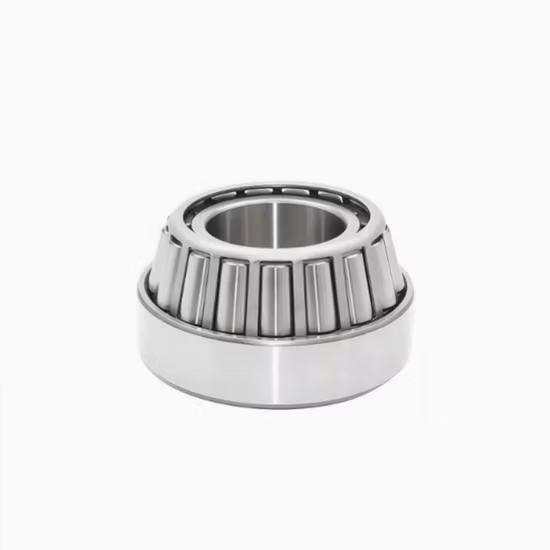
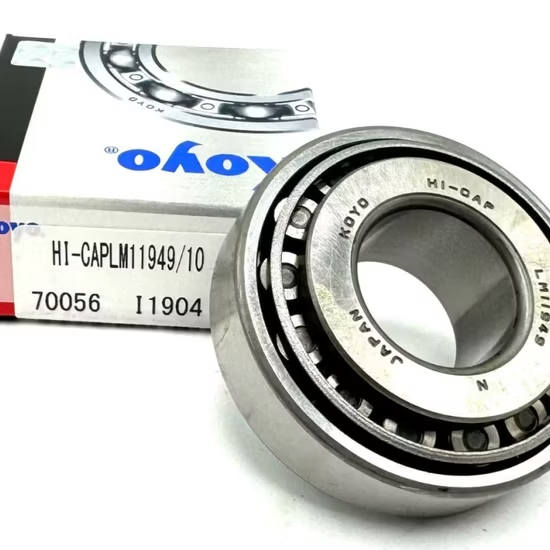

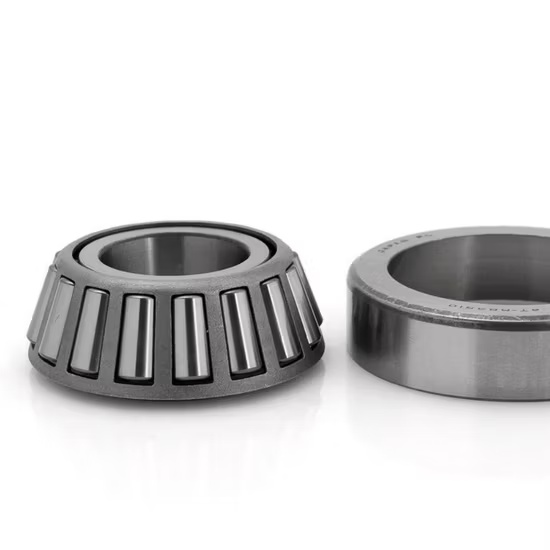
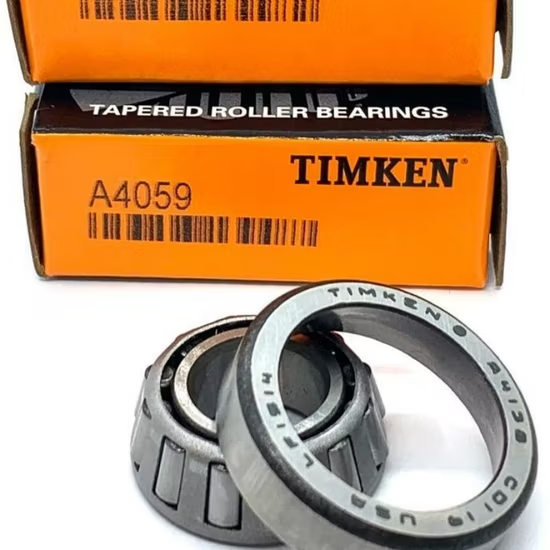
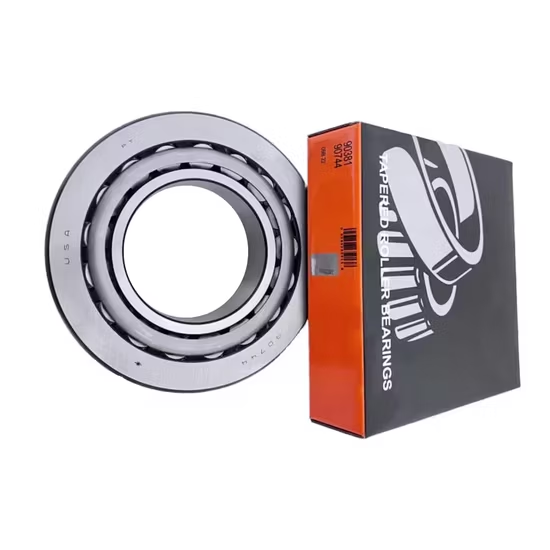
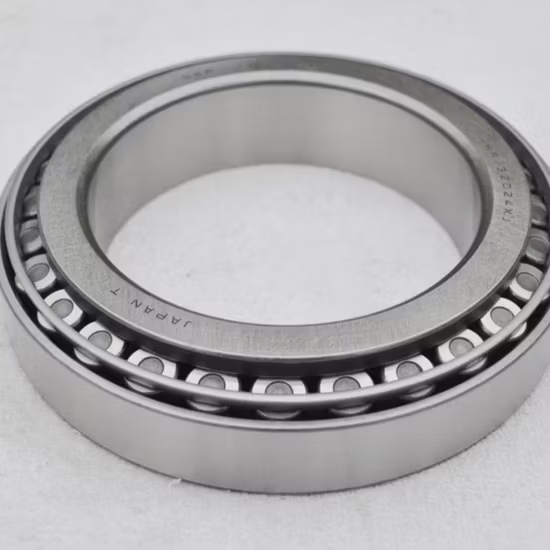
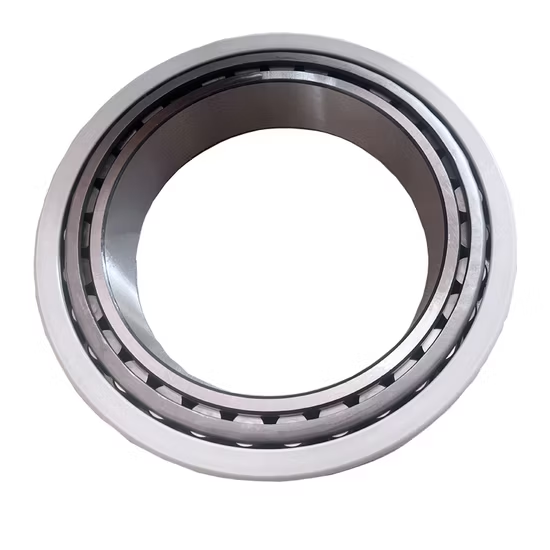
LM11749/11 Inch Tapered Roller Bearing P4 Precision — single row configuration optimized for combined radial and axial loads.
Scan To Verify Authenticity — Every unit ships with a traceable batch code that validates directly through the manufacturer's official mobile application.
| Parameter | Value |
|---|---|
| Designation | LM11749/11 |
| Bearing Type | Inch Tapered Roller Bearing |
| Number of Rows | Single Row |
| Precision Class | P4 |
| Material | GCr15 high-carbon chromium bearing steel |
| Cage Material | Standard pressed steel; brass or polyamide variants available upon request |
| Customization | Available for specific operational requirements |
| Industry | Typical Applications |
|---|---|
| Automotive and heavy vehicle repair | Commercial truck wheel hubs and drive axle assemblies |
| Material handling | Conveyor pulley shafts and heavy forklift mast rollers |
| Industrial gearboxes | Pinion shafts in high-torque reduction gear units |
A matching base number does not guarantee internal design compatibility.
I once investigated a catastrophic shutdown at a Brazilian mining site where a standard cage was forced into a high-vibration application, leading to early cage fragmentation and severe downtime. Procurement teams frequently focus solely on the base designation, overlooking critical internal clearances and cage materials during cross-referencing. This oversight routinely causes thermal binding or sudden structural failure when equipment faces heavy shock loads .
The LM11749/11 inch tapered roller bearing features an optimized roller-to-raceway contact line engineered to manage combined radial and axial loads simultaneously. By matching the precise P4 tolerance class to your equipment's operational envelope, we ensure dimensional stability where standard grades would introduce excessive runout. Our technical review process verifies that the selected internal geometry aligns perfectly with your specific load profiles and mounting arrangements.
Heavy vehicle axles and industrial gearboxes subject components to intense shock loading and rapid temperature fluctuations. These conditions demand careful consideration of internal clearance to accommodate thermal expansion without inducing excessive preload. Proper lubrication selection is equally critical; heavy-duty gear oil or high-viscosity grease must be applied to maintain an adequate elastohydrodynamic film under extreme pressure . Inadequate sealing in dusty material handling environments further accelerates wear by allowing abrasive particulate ingress.
The identifier breaks down into the LM inch series prefix, the 11749 inner cone assembly, and the 11 outer cup. Upgrading to P4 precision provides noticeably tighter dimensional and running accuracy compared to standard P0 grades, which is essential for minimizing vibration in high-speed pinion shafts. While standard configurations utilize a pressed steel cage for general durability, brass cages are available for applications demanding higher resistance to vibration, and polyamide cages offer reduced friction for moderate-temperature, high-speed setups.
Substituting a component based purely on outer dimensions often results in premature failure due to mismatched internal contact angles or inadequate fatigue strength. According to failure analysis frameworks, a significant share of unexpected breakdowns stems from applying standard clearance in high-temperature environments, leading to destructive thermal preloading . Such errors not only cause unplanned downtime but can also trigger catastrophic damage to adjacent gears and shafts, entirely voiding equipment warranties.
We maintain authorized distribution channels across all major brands, allowing you to consolidate mixed-brand requirements into a single, fully documented shipment. Our cross-reference protocol strictly verifies clearance, cage material, and precision suffixes, preventing the exact mismatches that cause field failures. Every shipment includes batch traceability down to the original heat treatment lot, ensuring complete transparency. Furthermore, our engineering team provides application-based selection reviews to validate your load, speed, and temperature parameters before dispatch.
To ensure optimal performance, please share your specific radial and axial load profiles, operating speeds, and expected temperature ranges for L10 life calculation. Providing the original OEM equipment number allows our engineering team to conduct a thorough cross-reference check, verifying that the internal clearance and cage materials match your exact application. This technical review guarantees that the selected component will withstand your specific operational challenges without premature degradation.
Q: Why must I verify suffixes when cross-referencing this designation?
A: Base numbers only define outer dimensions. Ignoring internal clearance, cage material, and precision suffixes leads to mismatched internal geometries. This causes thermal binding under high temperatures or cage fragmentation under severe vibration, resulting in premature equipment failure and costly unplanned downtime.
Q: How does P4 precision differ from standard P0 in this application?
A: P4 precision enforces noticeably tighter dimensional and running accuracy tolerances than standard P0 grades. This strict control minimizes radial runout and vibration, which is critical for maintaining gear mesh integrity and extending the service life of high-speed pinion shafts in industrial gearboxes.
Q: Which cage material is best for high-vibration environments?
A: While standard pressed steel cages suffice for general use, machined brass cages offer substantially higher resistance to severe vibration and shock loads. Polyamide cages reduce friction and operating temperatures but are limited by thermal thresholds, making brass the preferred choice for heavy-duty mining or crushing applications.
Q: What is the correct heating method for mounting the inner cone?
A: Induction heating is the recommended method for mounting the inner cone assembly onto the shaft. It provides uniform, controlled thermal expansion without localized hot spots that could alter the GCr15 steel microstructure or compromise the P4 dimensional accuracy achieved during manufacturing.
Q: How do I determine the correct internal clearance for my gearbox?
A: Internal clearance must accommodate thermal expansion generated during operation. Standard clearance may lead to destructive thermal preloading at elevated temperatures. Share your operating temperature gradients and load profiles with our technical team so we can calculate the optimal clearance class to prevent thermal binding.
Our 5-step process ensures every order is engineered, validated, and supported for optimal performance.
Technical needs assessment
Custom specifications
Free samples for $50k+
Pre-shipment inspection
On-site & predictive
Our certified engineers respond within 24 hours with detailed technical specifications, pricing, and lead time information.