01
Consultation
Technical needs assessment


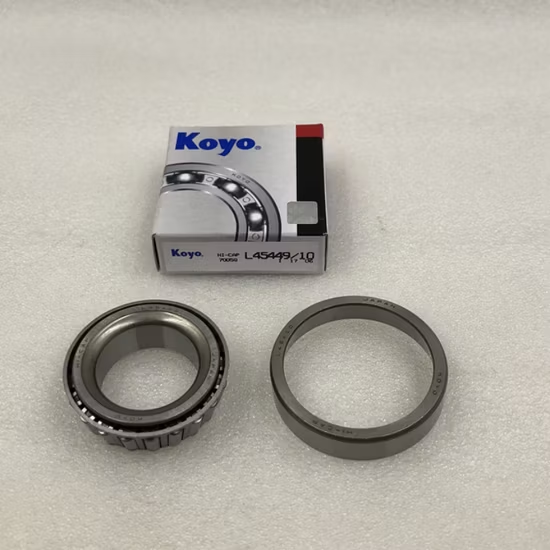
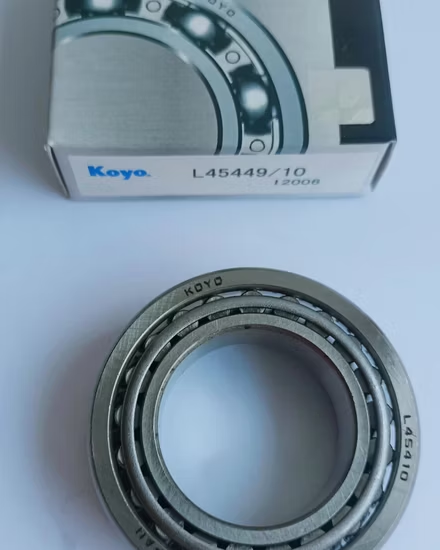
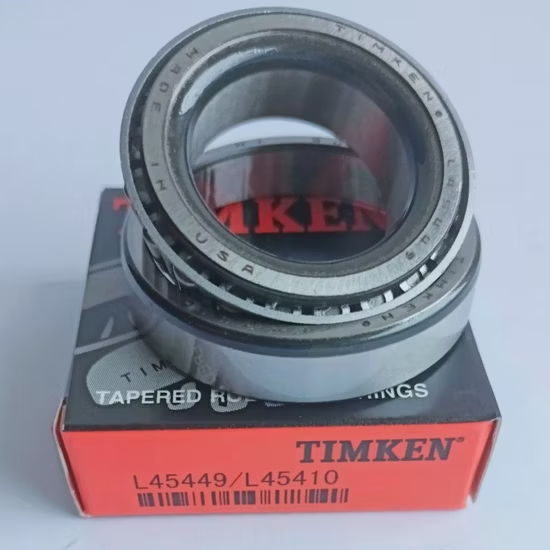
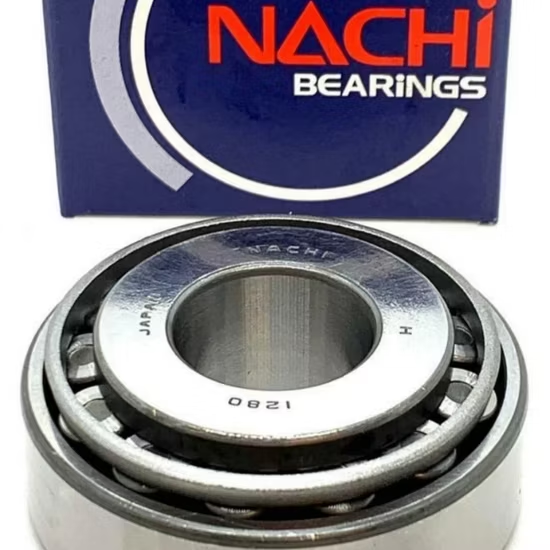
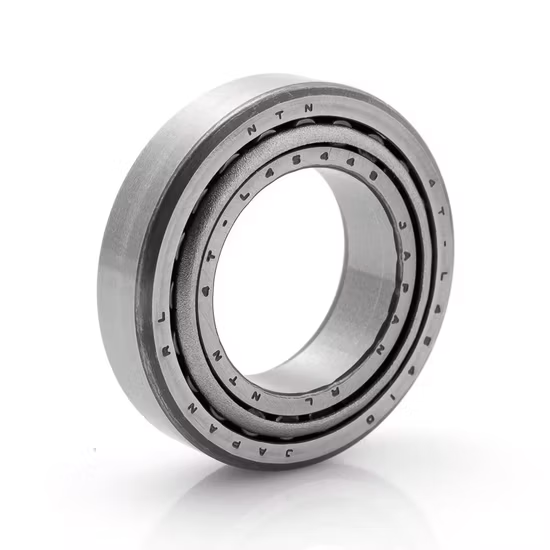
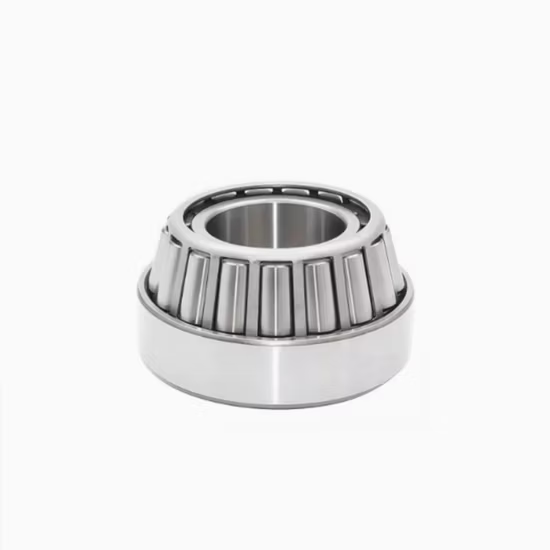
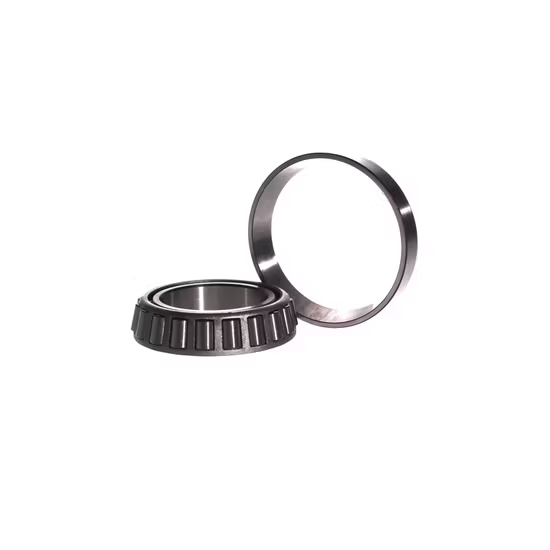
L45449/10 Single Row Tapered Roller Bearing P4 — engineered with ISO Class 4 precision for tight dimensional and running accuracy in demanding applications.
Full Batch Traceability — Every L45449/10 single row tapered roller bearing ships with manufacturer-linked lot documentation to verify material origin and heat treatment records.
| Parameter | Value |
|---|---|
| Designation | L45449/10 |
| Bearing Type | Single Row Tapered Roller Bearing |
| Bore Diameter (d) | 29 mm |
| Outside Diameter (D) | 50.292 mm |
| Width (B) | 14.732 mm |
| Total Width (T) | 14.224 mm |
| Precision Class | P4 |
| Material | GCr15 Bearing Steel |
| Cage Material | Available in stamped steel, machined brass, or polyamide variants |
| Structure | Single Row Taper |
The L45449/10 designation represents a standard inch-series component assembly; specific internal geometry suffixes require manufacturer catalog confirmation for exact application matching.
| Industry | Typical Applications |
|---|---|
| Automotive & Heavy Vehicle | Light truck wheel hubs, trailer axle assemblies |
| Industrial Machinery | Material handling conveyor pulleys, agricultural gearbox shafts |
| General Manufacturing | Precision spindle supports, fluid pump drive shafts |
Assuming metric interference fits apply to inch-bore tapered components guarantees premature thermal seizure.
Procurement engineers frequently source a L45449/10 single row tapered roller bearing based solely on the outer diameter matching a metric housing, ignoring the strict inch-based shaft tolerances required for the cone. When an inch-bore component is pressed onto a metric shaft with standard interference, the internal clearance collapses completely. Under operational loads, this zero-clearance state generates massive friction, leading to rapid temperature spikes and catastrophic cage failure . Sourcing genuine components is only half the battle; verifying the exact shaft tolerance required for the specific inch-series bore is what prevents unplanned downtime.
Selecting the correct internal configuration for your L45449/10 single row tapered roller bearing depends entirely on the thermal and load profile of the assembly. Because tapered roller bearings separate radial and axial loads through the angled raceways, the internal geometry must accommodate the specific thrust-to-radial load ratio of the equipment. We review the exact load vectors and operating speeds to ensure the selected precision class and internal profile align with the OEM design intent, preventing edge-loading on the rollers.
In heavy-duty axle or gearbox applications, the operating temperature dictates the necessary internal clearance and lubrication strategy. If the equipment runs hot, standard clearance will vanish as the shaft expands, requiring a specific internal geometry to compensate for thermal growth. Furthermore, the choice between oil bath and grease lubrication affects the cage design; high-speed oil environments demand different cage materials compared to slow-speed, heavily contaminated grease applications .
The P4 precision rating on this L45449/10 single row tapered roller bearing indicates strictly controlled dimensional and running accuracy, which is vital for minimizing vibration in high-speed gearboxes or precision spindles. The GCr15 bearing steel provides the necessary core toughness and surface hardness to withstand heavy shock loads without spalling. Depending on the operational speed and contamination level, the cage material can be specified from stamped steel for standard duties, machined brass for high-vibration environments, or polyamide for quieter, high-speed operation.
Purchasing a bearing that matches the base numbers but ignores the internal design suffixes often results in catastrophic damage to the surrounding machinery. A mismatch in the roller profile or cage design can cause the bearing to skew under load, destroying the shaft journal and the housing bore. This turns a simple bearing replacement into a complete assembly rebuild, voiding equipment warranties and causing severe production delays .
We do not just ship the base designation; we verify the internal geometry to ensure it matches the original equipment requirements. Our cross-brand interchange process checks the exact roller profile and cage material, not just the bore and outside diameter. Because we hold authorized distribution across major international brands, we provide full batch traceability and authenticity verification, eliminating the risk of counterfeit soft inner rings that plague the inch-series aftermarket.
To ensure the selected component survives the application, provide our engineering team with the exact radial and axial loads, operating speeds, and thermal profiles of the assembly. If you are replacing an existing unit, share the OEM equipment number or the exact shaft and housing tolerances so we can perform a comprehensive cross-reference review and confirm the correct internal geometry before shipment.
Q: How do I verify the authenticity of inch-series tapered roller bearings using QR codes?
A: Authenticity verification requires scanning the QR code on the packaging using the specific manufacturer's official mobile application. This confirms the batch number, production date, and original distribution channel, protecting you from counterfeit components that feature cloned visual markings but lack the correct metallurgical properties and hardness required for heavy loads.
Q: What cross-reference checks are critical beyond the base designation?
A: Matching the base numbers is insufficient; you must verify the internal roller profile, cage material, and specific inch-based tolerance classes. A component with the correct outer dimensions but the wrong internal geometry will suffer from edge-loading and rapid wear. We cross-reference these internal design parameters to ensure exact compatibility with your OEM specifications.
Q: When is P4 precision required for tapered roller applications?
A: P4 precision is necessary in applications demanding high rotational accuracy, minimal vibration, and strict speed consistency, such as machine tool spindles or high-speed industrial gearboxes. The tighter dimensional and running accuracy tolerances reduce dynamic runout, ensuring smoother operation and extending the service life of the surrounding precision machinery.
Q: How do I select the correct cage material for my operating conditions?
A: Cage selection depends on speed, vibration, and temperature. Stamped steel cages suit standard industrial duties, while machined brass cages offer superior durability in high-vibration or shock-load environments. Polyamide cages are ideal for high-speed, low-noise applications but have strict upper temperature limits that must be evaluated against your operational thermal profile.
Our 5-step process ensures every order is engineered, validated, and supported for optimal performance.
Technical needs assessment
Custom specifications
Free samples for $50k+
Pre-shipment inspection
On-site & predictive
Our certified engineers respond within 24 hours with detailed technical specifications, pricing, and lead time information.