01
Consultation
Technical needs assessment


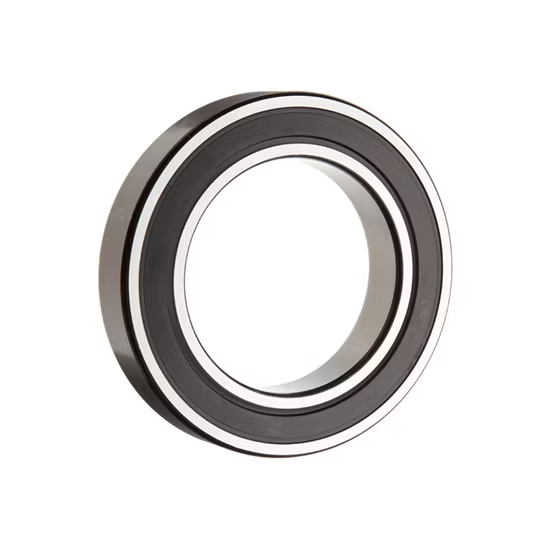


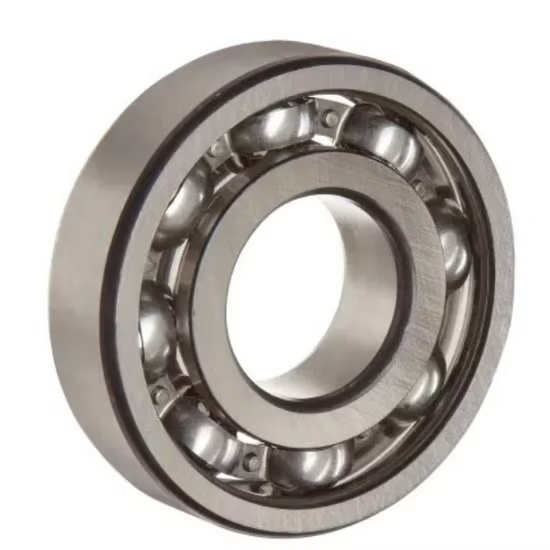
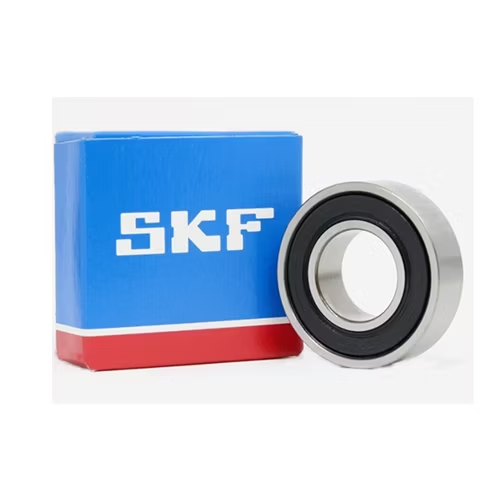
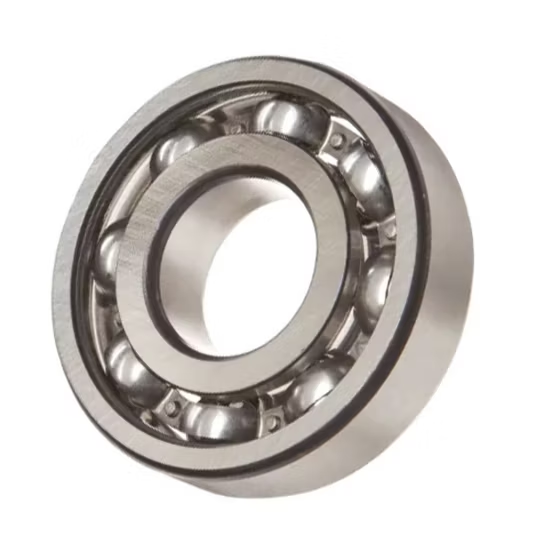
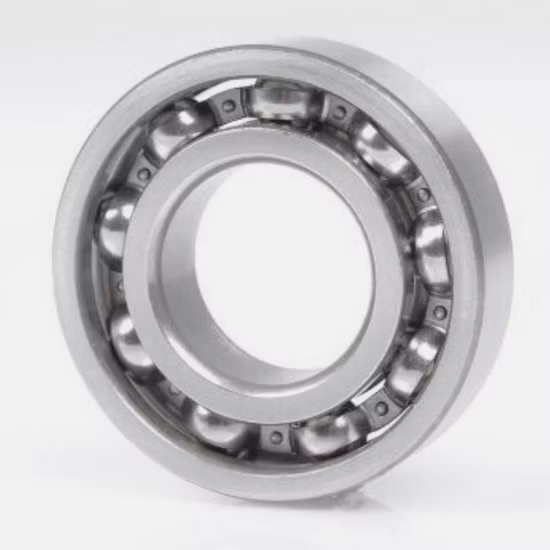
Industrial Deep Groove Ball Bearing — Gcr15 bearing steel with Open, ZZ, and 2RS seal configurations for electric motors, gearboxes, and conveyors under continuous operation
Unified Multi-Brand Sourcing — Consolidate SKF, FAG, and NSK deep groove requirements into a single traceable shipment without juggling multiple vendors.
| Parameter | Value |
|---|---|
| Product Type | Deep Groove Ball Bearing |
| Structure | Deep Groove |
| Seal or Shield Type | Available in Open, ZZ, and 2RS configurations |
| Material | Gcr15 bearing steel (stainless steel variants available) |
| Customization | Customized specifications to match exact equipment dimensions |
| Origin | Shanghai |
| Industry | Typical Applications |
|---|---|
| Material Handling | Conveyor drive pulleys and idler rollers |
| General Manufacturing | Electric motor shafts and industrial pump rotors |
| Mining and Metallurgy | Gearbox auxiliary shafts and cooling fan drives |
| Agriculture | Tractor PTO shafts and irrigation pump motors |
Matching internal clearance to the operating temperature prevents catastrophic shaft lockups.
I have witnessed the aftermath of clearance mismatches in Chilean copper mines, where standard clearance bearings were installed in high-heat conveyor drives instead of the required expanded clearance variants. The resulting thermal expansion eliminated internal operating space, leading to immediate cage destruction and shaft scoring . When procurement teams prioritize lowest-unit-cost over exact suffix alignment, the equipment pays the price in unplanned downtime. Partnering with a knowledgeable industrial deep groove ball bearing supplier ensures that critical internal geometry matches the actual thermal profile of your machinery.
Selecting the correct deep groove ball bearing requires balancing radial loads, axial thrust, and environmental contamination. Our technical team reviews your specific application parameters to recommend the optimal seal type and internal geometry. Whether your equipment demands the low-friction characteristics of metal shields or the superior moisture exclusion of rubber contact seals, we align the physical construction with your operational reality.
Industrial environments subject rotating elements to severe particulate ingress and temperature fluctuations. Open configurations allow for efficient heat dissipation and external relubrication but require pristine housing conditions. Shielded variants offer non-contact protection against coarse dust without generating additional frictional heat, while rubber-sealed options provide maximum exclusion for wet or heavily contaminated zones . Furthermore, operating temperatures dictate the necessary internal clearance; standard clearance will bind under thermal load, demanding expanded clearance classes to maintain the lubricant film thickness.
The baseline Gcr15 bearing steel provides excellent rolling contact fatigue resistance for standard industrial environments. For applications involving washdowns, high humidity, or mild chemical exposure, martensitic stainless steel variants are available to resist surface degradation. The choice between ZZ metal shields and 2RS rubber seals fundamentally alters the maintenance strategy: shielded bearings rely on the housing to manage heat, whereas contact seals retain factory grease but introduce rotational drag. Understanding these trade-offs allows maintenance engineers to specify the exact configuration required for the target service interval.
Installing a bearing with the wrong internal clearance or seal type inevitably leads to premature failure. According to failure classification frameworks like ISO 15243, thermal seizure and lubricant starvation are primary culprits in early life cycle replacements . A seized bearing does not just stop a motor; it can twist shafts, damage housing bores, and void equipment warranties. These cascading mechanical failures transform a minor component replacement into a major rebuild project, far exceeding the initial procurement savings of an incorrectly specified part.
We eliminate the guesswork from cross-brand interchange by verifying internal geometry, not just base dimensions. While standard distributors might swap a required expanded clearance bearing for a standard one based on a superficial part number match, we validate the exact suffix requirements. Our authorized distribution network covers all major international brands, allowing you to consolidate mixed-brand orders into a single, fully documented shipment. Every unit we supply is backed by manufacturer traceability, ensuring that the metallurgical integrity and dimensional accuracy meet the original equipment manufacturer's strict tolerances.
To ensure precise application matching, provide our engineering team with the specific equipment model, available installation envelope, and detailed operating conditions. Supplying data on radial and axial loads, operating speeds, and ambient temperatures allows us to calculate the required dynamic load rating and internal clearance class. If replacing an obsolete component, share the original OEM part number so we can execute a comprehensive cross-reference review, guaranteeing the replacement aligns perfectly with your mechanical design.
Q: How do I determine the exact bearing designation for my specific motor or gearbox?
A: Determining the exact designation requires analyzing the equipment's operational parameters, including load magnitudes, rotational speed, and thermal conditions. By providing the OEM equipment number or detailed application data, our engineering team performs a comprehensive cross-reference review. We evaluate internal clearance, cage materials, and seal types to specify a part that precisely matches your mechanical and environmental requirements.
Q: What are the common failure modes for these bearings in heavy industrial applications?
A: Premature failures in industrial settings typically stem from contamination ingress, lubricant starvation, or thermal seizure due to incorrect internal clearance. ISO 15243 classifies these issues into distinct categories like surface fatigue or electrical erosion. Preventing these failures requires selecting the appropriate seal configuration for the environment and ensuring the internal geometry accommodates the operational temperature expansion without binding the rolling elements.
Q: When should I specify stainless steel variants over standard Gcr15 bearing steel?
A: Stainless steel variants are necessary when the operating environment involves frequent washdowns, high humidity, or exposure to mild corrosive agents that would degrade standard bearing steel. While Gcr15 offers superior load capacity and fatigue life in dry or well-sealed housings, stainless options provide essential surface protection in food processing or marine applications. The selection depends entirely on balancing the load requirements against the severity of the environmental exposure.
Q: How do maintenance cycles differ between open, ZZ shielded, and 2RS sealed configurations?
A: Open bearings require regular external relubrication intervals dictated by the application's load and speed, relying on the housing design to retain grease. ZZ shielded bearings minimize coarse dust ingress without adding friction, but generally cannot be relubricated effectively. 2RS rubber-sealed variants offer maximum contamination exclusion and are typically lubricated for life, eliminating routine maintenance but introducing slight rotational drag that must be factored into the motor's thermal design.
Our 5-step process ensures every order is engineered, validated, and supported for optimal performance.
Technical needs assessment
Custom specifications
Free samples for $50k+
Pre-shipment inspection
On-site & predictive
Our certified engineers respond within 24 hours with detailed technical specifications, pricing, and lead time information.