01
Consultation
Technical needs assessment


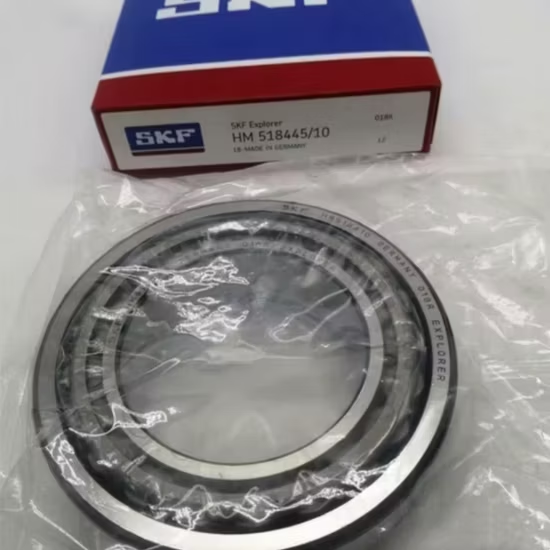
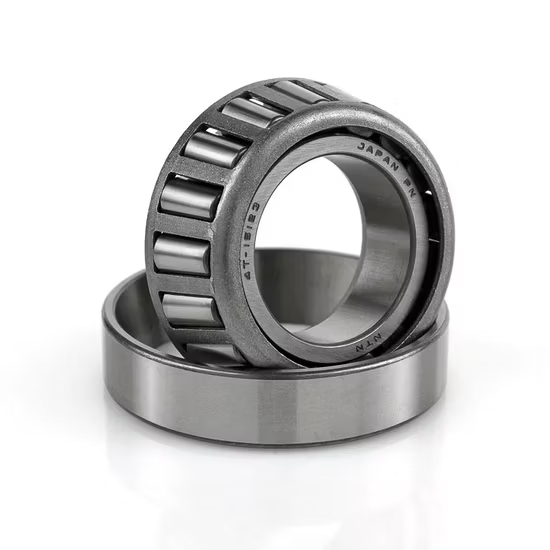
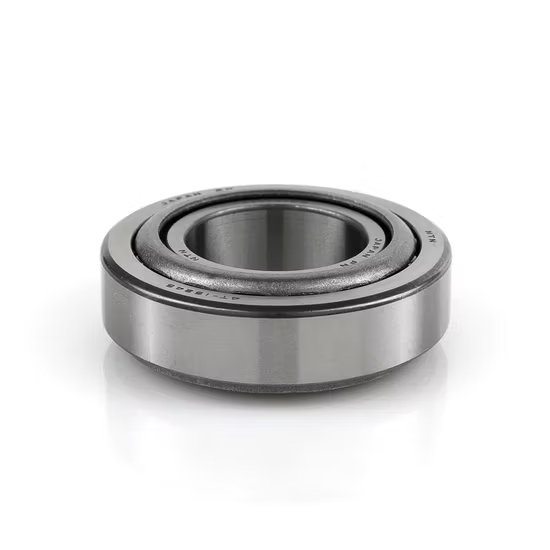
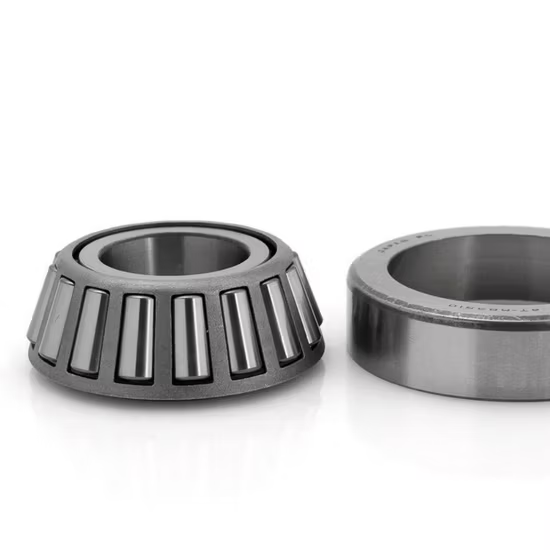
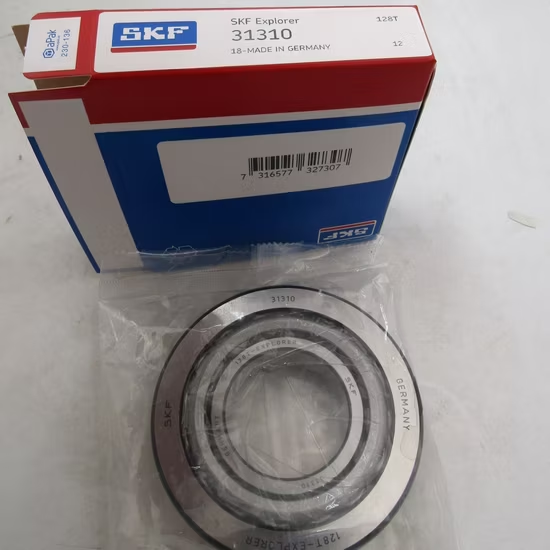
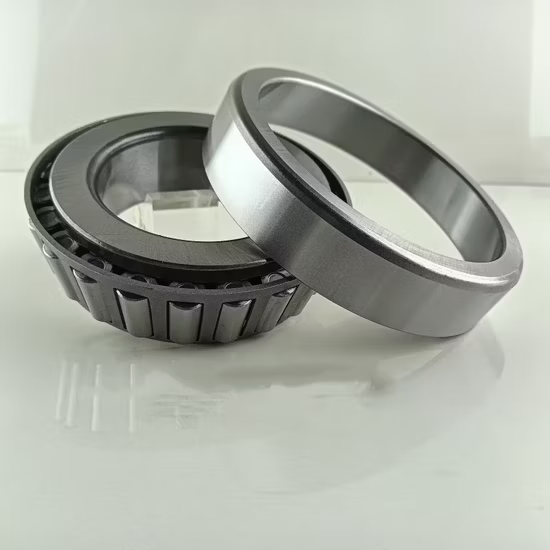
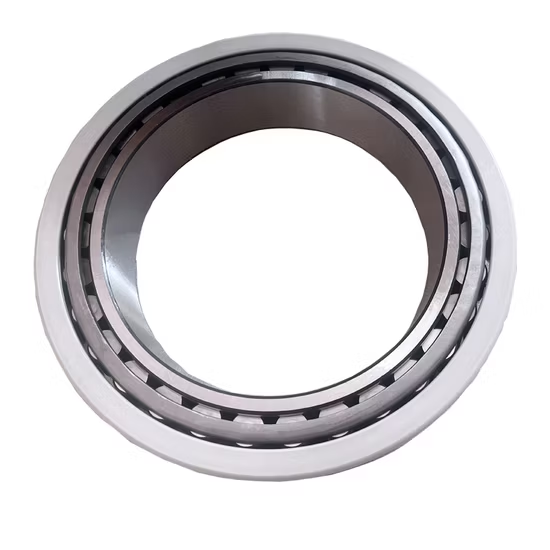
HM518445/10 Inch Tapered Roller Bearing P4 — Single row inch tapered structure handles combined radial and axial loads, while P4 precision ensures tight running accuracy for demanding gearbox and automotive applications.
Unified Multi-Brand Sourcing — Procure the HM518445/10 alongside other major brand equivalents in a single consolidated shipment, eliminating the need to coordinate with multiple vendors for mixed fleet maintenance.
| Parameter | Value |
|---|---|
| Designation | HM518445/10 |
| Bearing Type | Inch Tapered Roller Bearing |
| Number of Rows | Single Row |
| Precision Class | P4 |
| Material | GCr15 bearing steel |
| Cage Material | Available in nylon, brass, or iron variants |
| Origin | Germany, Japan, Sweden, Malaysia, or China |
| Customization | Available |
| Industry | Typical Applications |
|---|---|
| Automotive & Heavy Vehicles | Wheel hubs and truck axles subjected to combined radial and thrust loads |
| Industrial Power Transmission | Heavy-duty gearboxes requiring high rigidity and precise shaft positioning |
| Marine & Material Handling | Marine drives and building material plant conveyors handling continuous rotational stress |
Matching the cup and cone part numbers is only the beginning; ignoring internal clearance and cage material specifications leads directly to thermal binding.
I have seen this exact scenario unfold in mining and heavy transport operations across Latin America. A maintenance crew replaces a failed unit with a new HM518445/10 inch tapered roller bearing, confident because the base designation matches perfectly. Yet, under high-temperature continuous operation, the assembly seizes. The root cause is rarely the steel itself, but rather a cross-reference error where a standard clearance was installed in an application demanding extra internal clearance to accommodate thermal shaft expansion . When procurement focuses solely on the part number without verifying the internal geometry and cage design, the resulting friction generates enough heat to weld the rollers to the raceway.
Selecting the correct HM518445/10 inch tapered roller bearing requires looking past the basic nomenclature to evaluate how the internal components interact under load. Our technical team reviews your specific application parameters to ensure the cup and cone pairing aligns with your equipment's operational demands. By verifying the exact internal profile and roller contact angles, we prevent the micro-slippage and edge-loading that typically degrade performance in heavy machinery. This application-based selection review guarantees that the bearing you receive is structurally prepared for your specific radial and axial force combinations.
Heavy vehicle axles and industrial gearboxes subject tapered roller bearings to intense combined loads and significant temperature fluctuations. As the shaft and housing expand at different rates during operation, the internal clearance must be precisely calibrated to prevent the rollers from skidding or binding . Furthermore, the choice of cage material dictates how well the assembly handles vibration and lubrication starvation. Iron cages offer robust structural support for heavy shock loads, while brass or nylon variants reduce friction and operate more quietly at higher rotational speeds. Selecting the wrong cage for the operating temperature range accelerates wear and compromises the lubricant film.
The P4 precision class assigned to this series ensures tighter dimensional and running accuracy, which is vital for minimizing vibration in high-speed gearboxes and maintaining gear mesh alignment. Constructed from high-quality GCr15 bearing steel, the rolling elements and raceways achieve the necessary surface hardness to resist spalling under heavy contact stress . Because inch tapered roller bearings utilize distinct part numbers for cups and cones rather than standard alphanumeric suffixes, verifying the exact component pairing is mandatory. The availability of different cage materials allows procurement engineers to tailor the bearing to the specific speed and thermal environment of the machinery, ensuring optimal load distribution across the tapered rollers.
Installing a bearing that matches the base number but lacks the correct internal design results in catastrophic downstream costs. Unplanned downtime in a mining or material handling facility halts entire production lines, turning a minor component savings into massive revenue losses. Premature failure often causes secondary damage to adjacent seals, shafts, and housings, voiding equipment warranties and requiring extensive rebuilds. Relying on superficial cross-references without validating the internal clearance and precision class inevitably leads to these destructive failure modes, proving that the true cost of a bearing includes the labor and lost production caused by its early removal.
Our authorized distribution network covers all major international brands, allowing you to source this exact designation alongside other critical spares in one order. We execute cross-brand interchange matching that strictly verifies internal clearance, cage material, and precision class, rather than just swapping base numbers. Every unit we supply features batch traceability directly back to the manufacturer, eliminating the risk of installing counterfeits with soft inner rings. Our technical team conducts an application-based selection review covering your specific load, speed, and temperature conditions to confirm the design is correct before shipment. This comprehensive approach ensures that the components you install will survive the harsh realities of your operating environment.
To ensure the selected components perfectly match your machinery, please provide the specific radial and axial loads, operating speeds, and typical temperature ranges. Sharing the original OEM equipment number allows our engineering team to perform a precise cross-reference verification, checking for any proprietary internal modifications. Detailing the environmental conditions, such as exposure to heavy dust or moisture, helps us recommend the most suitable cage material and sealing arrangements. This technical data enables us to deliver a fully validated solution that integrates flawlessly into your maintenance schedule.
Q: How can I verify the authenticity of the bearings and avoid counterfeits with soft inner rings?
A: Counterfeit bearings often pass casual visual inspections but fail under load due to inferior metallurgy. We provide full batch traceability and a Certificate of Conformity for every shipment. You can verify authenticity instantly by scanning the packaging QR codes through the official brand applications, ensuring the internal components meet the required hardness and precision specifications before they ever reach your maintenance bay.
Q: What are the critical cross-reference checkpoints beyond just matching the base part number?
A: Matching the base number is insufficient if the internal geometry differs. We verify the exact internal clearance class to accommodate your operating temperatures and confirm the cage material matches your speed and vibration profile. Overlooking these factors during cross-referencing often leads to thermal binding or cage fragmentation, which is why our technical review process aligns all internal design parameters with your specific application requirements.
Q: How do I select the right cage material for my specific operating temperature and speed?
A: The cage material dictates how the bearing handles friction and lubrication flow. Iron cages provide maximum structural integrity for heavy shock loads at lower speeds, while brass or nylon variants reduce friction and operate better at higher rotational speeds. By analyzing your specific thermal environment and rotational velocity, we guide you toward the cage design that maintains optimal roller spacing and prevents premature wear.
Q: What is the practical difference between standard precision and P4 precision in these applications?
A: P4 precision guarantees significantly tighter dimensional and running accuracy compared to standard grades. In industrial gearboxes and heavy axles, this enhanced precision minimizes vibration, ensures consistent gear mesh alignment, and reduces uneven load distribution across the tapered rollers. This results in noticeably extended service life and smoother operation, particularly in applications where shaft deflection and high rotational speeds are constant factors.
Our 5-step process ensures every order is engineered, validated, and supported for optimal performance.
Technical needs assessment
Custom specifications
Free samples for $50k+
Pre-shipment inspection
On-site & predictive
Our certified engineers respond within 24 hours with detailed technical specifications, pricing, and lead time information.