01
Consultation
Technical needs assessment

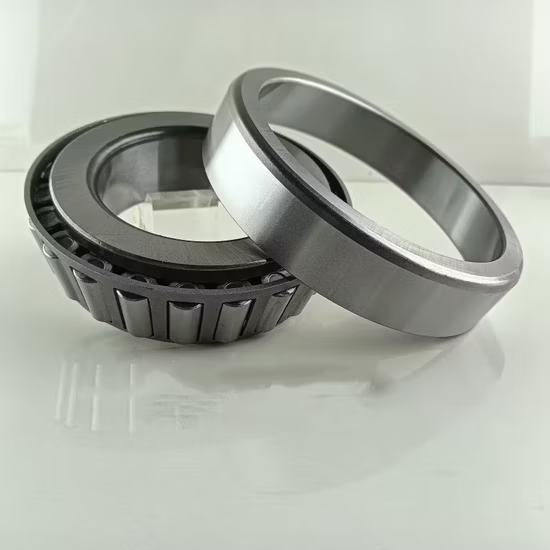
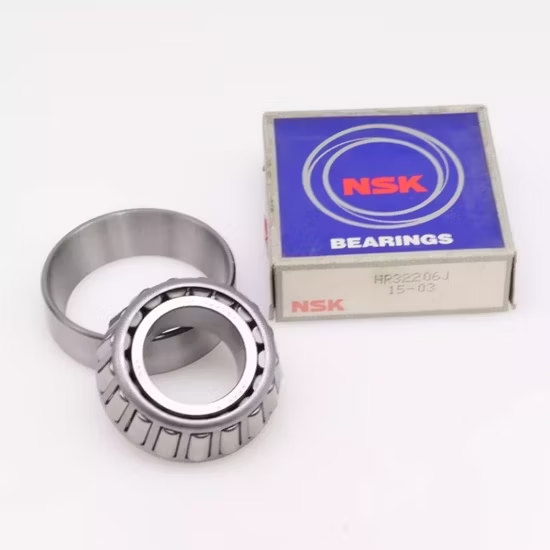
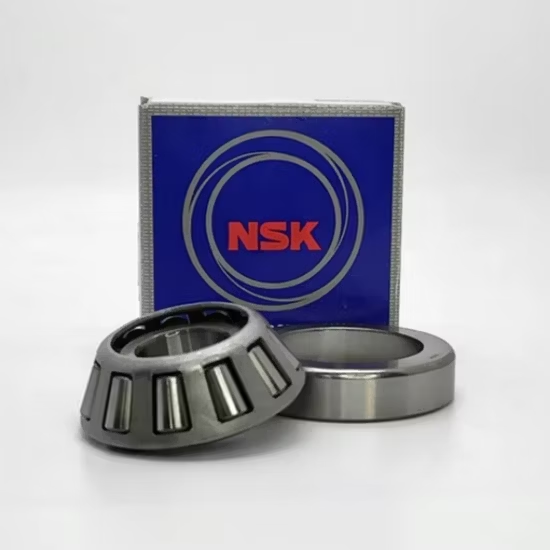
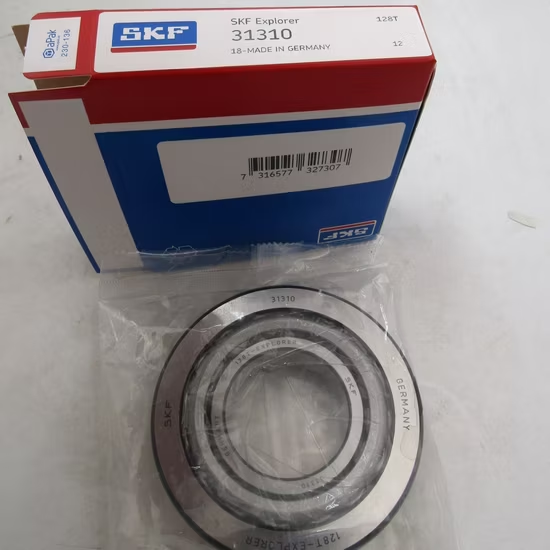
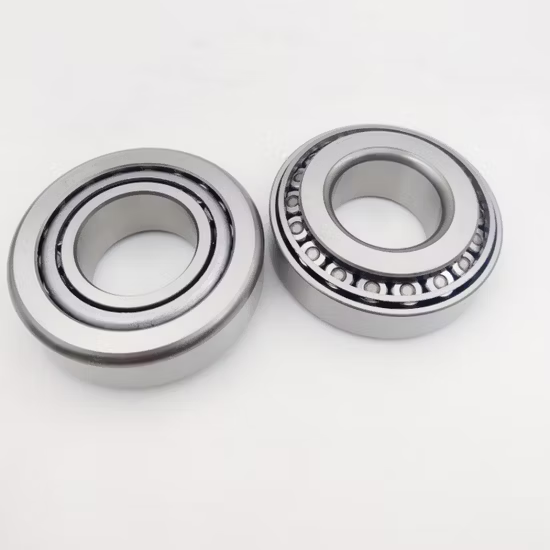
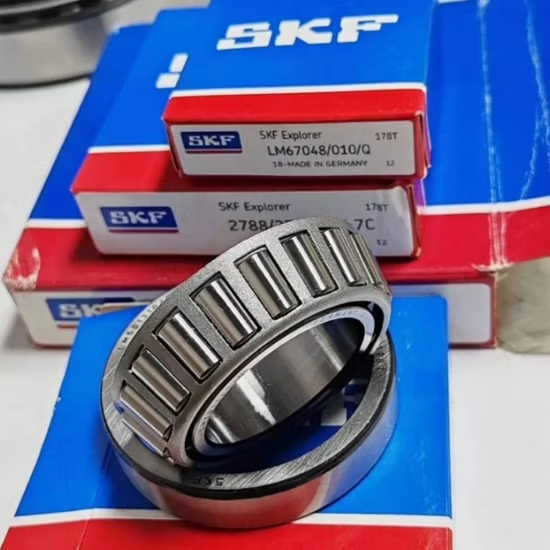
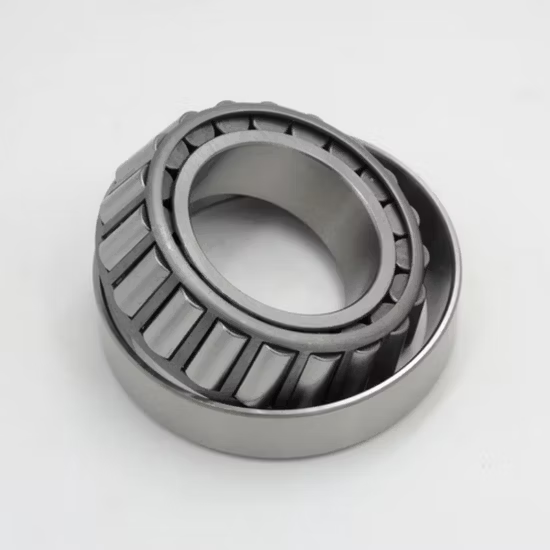
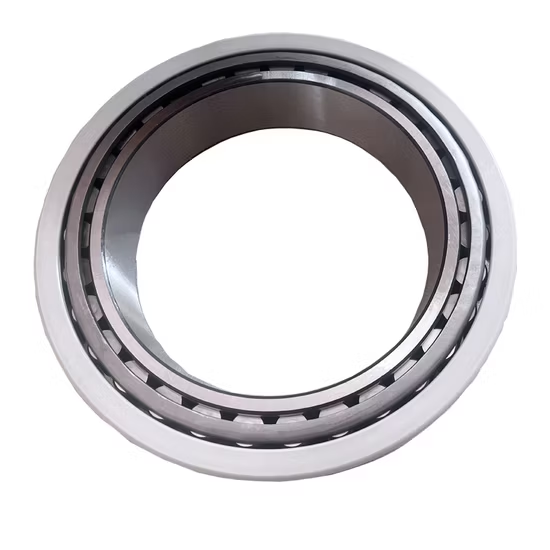
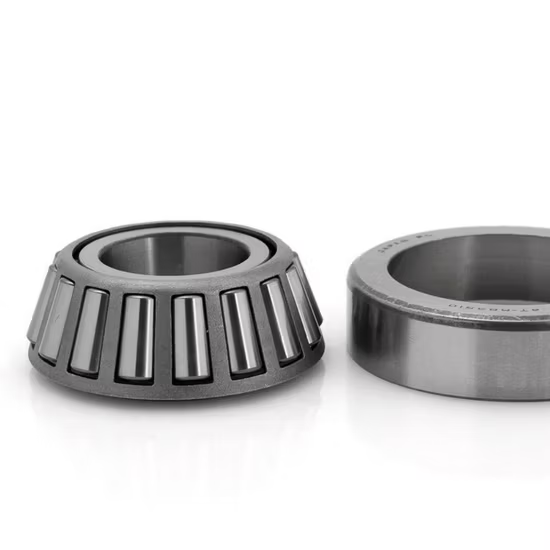
30201 30202 Tapered Roller Bearing P4 — single row GCr15 steel construction optimized for combined radial and axial loads.
Cross-Reference Alignment — verifying clearance, cage material, and precision suffixes prevents thermal binding in 30201 30202 tapered roller bearing installations.
| Parameter | Value |
|---|---|
| Designation | 30201 30202 |
| Bearing Type | Tapered Roller Bearing |
| Number of Rows | Single Row |
| Precision Class | P4 |
| Material | GCr15 bearing steel |
| Cage Material Options | Nylon, Brass, or Iron (Steel) |
| Origin | Shanghai |
| Industry | Typical Applications |
|---|---|
| Automotive & Heavy Vehicle | Wheel hub assemblies, truck axle differentials, transmission shafts |
| Industrial Power Transmission | Heavy-duty gearbox pinion shafts, reducer output stages |
| Marine & Material Handling | Marine drive reduction gears, conveyor pulley bearings |
Matching the base number while ignoring internal design variations causes premature seizure under heavy axial thrust.
Sourcing replacement parts for truck axles or industrial gearboxes often relies on basic designation matching. However, a significant share of premature failures in these high-load environments stems from overlooking critical internal variations during cross-referencing . When procurement teams substitute a standard P0 grade or incorrect cage design into a high-speed pinion shaft, the resulting friction and thermal expansion quickly exceed the component's operational limits. I have seen countless 32320 and similar tapered units lock up on the highway simply because the internal clearance was mismatched for the operating temperature, turning a routine replacement into a catastrophic drivetrain failure.
The single-row tapered configuration is engineered specifically to manage simultaneous radial and axial forces. For applications like truck differentials or marine drives, the 30201 30202 tapered roller bearing provides the necessary rigidity to maintain gear mesh alignment under fluctuating torque. Our technical review process ensures the selected contact angle and roller profile align precisely with the specific thrust-to-radial load ratio of your equipment.
Drivetrain components endure severe shock loads and rapid temperature fluctuations during continuous operation. As the housing and shaft expand at different rates under elevated temperatures, internal clearance diminishes rapidly. If the initial clearance class is not specified correctly for the thermal profile, the rollers will skid against the raceway, generating excessive heat and degrading the lubricant. Proper lubrication management and precise mounting preload are essential to prevent the cage from failing under these extreme dynamic conditions .
Achieving P4 precision means the dimensional and running accuracy of these components is significantly tighter than standard commercial grades, which is vital for minimizing vibration in high-speed gearboxes. The use of GCr15 bearing steel provides the necessary core toughness and raceway hardness—typically reaching HRC58-62 after heat treatment—to resist spalling under heavy contact stress . Furthermore, selecting the appropriate cage material is critical: brass cages offer superior durability under high vibration and shock loads, while nylon cages reduce friction and noise in high-speed, lighter-load applications.
Substituting a base-number match without verifying the exact internal design leads to unplanned downtime and voided equipment warranties. When a standard clearance unit is pressed into a high-temperature housing without accounting for thermal expansion, the resulting internal preload causes rapid wear and catastrophic seizure. According to ISO 281 standards for dynamic load ratings, operating a component outside its designed clearance and lubrication parameters drastically reduces its calculated L10 life, leading to frequent, costly replacements and secondary damage to surrounding shafts and seals .
We do not just ship boxes; we verify that the internal geometry matches your exact application requirements. While many suppliers only check the base number, we strictly align the clearance, cage material, and precision suffixes during cross-referencing to prevent field failures. Our authorization across major international brands allows us to source exact equivalents for mixed-fleet maintenance without compromising on traceability. Every batch is backed by manufacturer-level documentation, ensuring you receive genuine components that meet the rigorous demands of automotive and industrial repair environments.
To ensure optimal performance and longevity, provide our engineering team with your specific radial and axial load values, operating speeds, and expected temperature ranges. Supplying the original OEM equipment number allows us to perform a comprehensive cross-reference check, verifying that all internal design parameters align perfectly with your drivetrain requirements.
Q: How do you ensure cross-reference accuracy for tapered units?
A: We do not rely solely on base designation matching. Our technical team verifies three critical parameters: internal clearance class, cage material, and precision grade. This strict alignment prevents the thermal binding and premature cage failures that commonly occur when standard commercial variants are incorrectly substituted into high-load or high-temperature drivetrain applications.
Q: What is the practical difference between P4 and P0 precision?
A: P4 precision offers significantly tighter dimensional and running accuracy compared to standard P0 grades. This enhanced tolerance control minimizes vibration and noise, making it essential for high-speed industrial gearboxes and precision automotive components where shaft runout could otherwise compromise gear mesh integrity and reduce overall system lifespan.
Q: How should I choose the correct cage material?
A: Cage selection depends heavily on the operating environment. Brass cages are highly recommended for applications involving heavy shock loads, high vibration, or marginal lubrication, such as truck axles. Nylon cages are better suited for high-speed, lower-load environments where minimizing friction, reducing operating temperatures, and lowering noise levels are the primary objectives.
Q: Can I verify the authenticity of the bearings upon delivery?
A: Yes, every shipment includes full batch traceability and supports QR verification through the manufacturer's official mobile applications. This allows your maintenance team to instantly confirm the origin and authenticity of the components, providing complete protection against the sophisticated counterfeits that frequently infiltrate the automotive aftermarket supply chain.
Our 5-step process ensures every order is engineered, validated, and supported for optimal performance.
Technical needs assessment
Custom specifications
Free samples for $50k+
Pre-shipment inspection
On-site & predictive
Our certified engineers respond within 24 hours with detailed technical specifications, pricing, and lead time information.