01
Consultation
Technical needs assessment

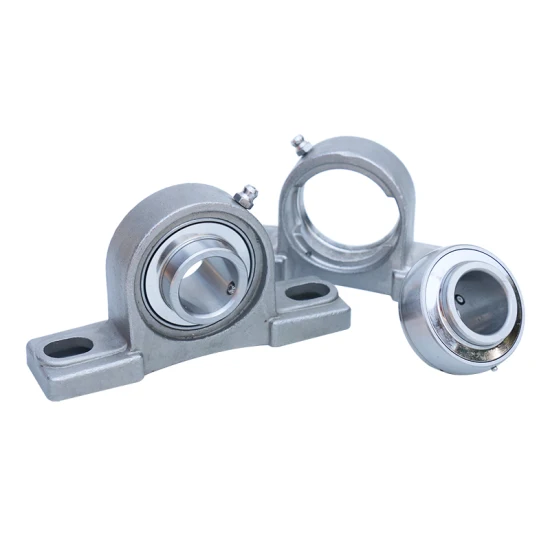
![Genuine Timken Koyo NACHI NSK NTN Fyh UEL204-213 Insert Bearing [WARN] draft identifier mismatch - 1](https://skfiso.com/wp-content/uploads/2026/09/genuine-timken-koyo-nachi-nsk-ntn-fyh-uel204-213-insert-bearing-warn-draft-identifier-mismatch-6ff6bb.avif)
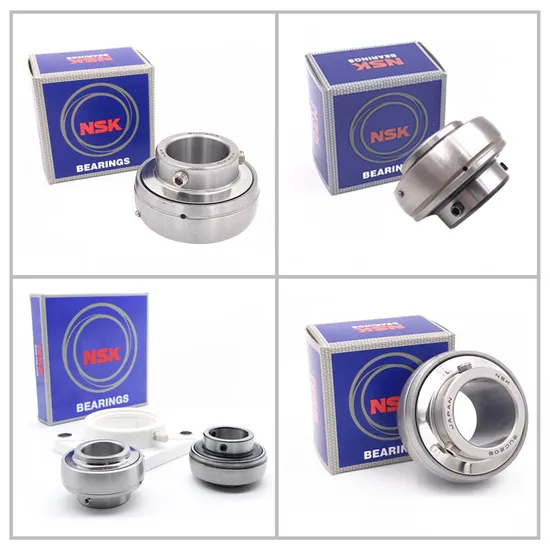
![Genuine Timken Koyo NACHI NSK NTN Fyh UEL204-213 Insert Bearing [WARN] draft identifier mismatch - 2](https://skfiso.com/wp-content/uploads/2026/09/genuine-timken-koyo-nachi-nsk-ntn-fyh-uel204-213-insert-bearing-warn-draft-identifier-mismatch-26a7dc.avif)
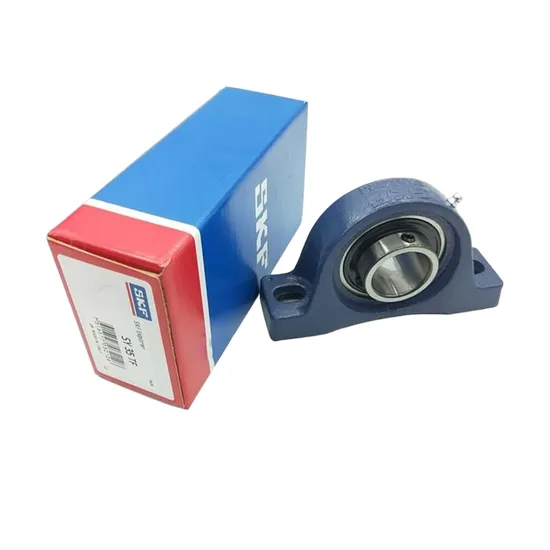
![Genuine Timken Koyo NACHI NSK NTN Fyh UEL204-213 Insert Bearing [WARN] draft identifier mismatch - 3](https://skfiso.com/wp-content/uploads/2026/09/genuine-timken-koyo-nachi-nsk-ntn-fyh-uel204-213-insert-bearing-warn-draft-identifier-mismatch-8502d7.avif)
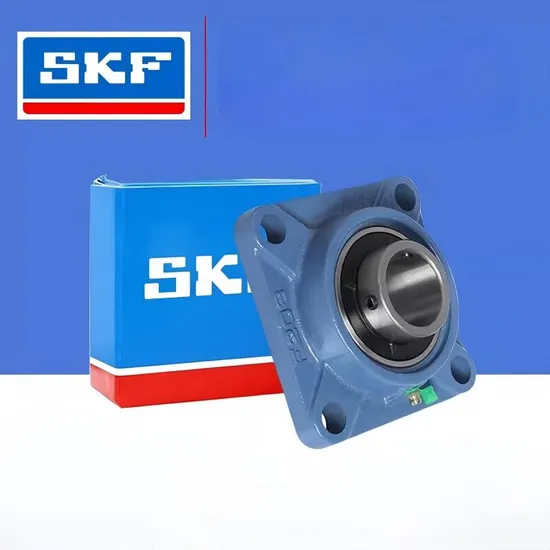
![Genuine Timken Koyo NACHI NSK NTN Fyh UEL204-213 Insert Bearing [WARN] draft identifier mismatch - 4](https://skfiso.com/wp-content/uploads/2026/09/genuine-timken-koyo-nachi-nsk-ntn-fyh-uel204-213-insert-bearing-warn-draft-identifier-mismatch-9ccf5c.avif)
![Genuine Timken Koyo NACHI NSK NTN Fyh UEL204-213 Insert Bearing [WARN] draft identifier mismatch - 5](https://skfiso.com/wp-content/uploads/2026/09/genuine-timken-koyo-nachi-nsk-ntn-fyh-uel204-213-insert-bearing-warn-draft-identifier-mismatch-78fc93.avif)
![Genuine Timken Koyo NACHI NSK NTN Fyh UEL204-213 Insert Bearing [WARN] draft identifier mismatch - 6](https://skfiso.com/wp-content/uploads/2026/09/genuine-timken-koyo-nachi-nsk-ntn-fyh-uel204-213-insert-bearing-warn-draft-identifier-mismatch-85b7b1.avif)
Uel204 Uel205 Uel207 Uel208 Uel209 Uel210 Uel211 Uel212 Uel213 Insert Bearing — multi-brand deep groove insert bearing series with single-row raceway geometry, suitable for agricultural machinery, conveyor systems, and textile equipment under moderate radial and axial loads.
Multi-Brand Authorization — Fulfill mixed OEM requirements for agricultural and conveyor drives in a single consolidated shipment with full traceability.
| Parameter | Value |
|---|---|
| Designation | Uel204 Uel205 Uel207 Uel208 Uel209 Uel210 Uel211 Uel212 Uel213 |
| Bearing Type | Insert Bearing |
| Locking Mechanism | Eccentric Locking Collar |
| Raceway Type | Deep Groove Raceway |
| Row Configuration | Single Row |
| Housing Material Option | Cast Iron |
| Bearing Block Model | P |
| Origin Options | Germany, Japan, Sweden, Malaysia, China |
Note: The UEL suffix denotes an eccentric locking collar design; specific manufacturer catalog verification is recommended for exact dimensional tolerances across different brands.
| Industry | Typical Applications |
|---|---|
| Agricultural Machinery | Harvester threshing cylinders, tractor PTO shaft supports, planter metering drives |
| Material Handling | Belt conveyor return idlers, bucket elevator tail shafts, sorting line transfer rollers |
| Textile Manufacturing | Loom let-off mechanisms, yarn tensioning rollers, spinning frame drafting aprons |
When sourcing a genuine Uel204 Uel205 Uel207 Uel208 Uel209 Uel210 Uel211 Uel212 Uel213 insert bearing for heavy machinery, the locking mechanism dictates the survival of the entire shaft assembly.
The eccentric collar eliminates the localized shaft damage caused by traditional set-screw tightening.
In my years running field maintenance in Dubai, I have seen countless conveyor and harvester shafts ruined by set-screws digging into the metal under cyclic vibration. Once the shaft is scored, the bearing spins on the journal, generating massive friction heat and leading to catastrophic seizure. By utilizing an eccentric collar that grips the shaft uniformly, these insert units maintain their hold even when subjected to the severe shock loads typical of rocky soil engagement or uneven material flow on conveyor belts .
Selecting the correct Uel204 Uel205 Uel207 Uel208 Uel209 Uel210 Uel211 Uel212 Uel213 insert bearing requires looking far beyond the basic bore size. Our technical review process evaluates the specific contamination levels and thermal expansion rates of your application to recommend the appropriate seal configuration and internal clearance, ensuring the unit performs reliably in harsh field conditions.
Agricultural and material handling environments expose bearings to abrasive dust, crop residue, and significant temperature fluctuations. Standard clearance bearings often fail in these settings because thermal expansion from friction or ambient heat eliminates the internal gap, causing the rolling elements to bind and overheat. Furthermore, inadequate sealing allows fine particulate matter to breach the raceway, degrading the grease and accelerating wear. Selecting the correct seal type and internal clearance is critical to prevent the bearing from locking up during peak operational hours .
The deep groove raceway design inherent in this series is optimized to handle combined radial and moderate axial loads, which frequently occur when conveyor belts track off-center or when agricultural implements hit uneven terrain. While the base designation defines the physical envelope, the internal clearance and seal variants dictate field survival. A standard CN clearance might suffice for indoor textile machines, but outdoor agricultural drives exposed to direct sunlight and high friction demand a C3 clearance to accommodate thermal expansion. Similarly, choosing between contact rubber seals and non-contact metal shields involves balancing moisture exclusion against rotational friction limits.
Procuring a unit based solely on the basic number while ignoring the suffix specifications inevitably leads to premature failure. Installing a standard clearance bearing in a high-temperature drive results in thermal binding, while using a metal-shielded variant in a wet, muddy environment allows moisture ingress that rapidly corrodes the raceway. These misapplications trigger unplanned downtime, void equipment warranties, and force maintenance teams into costly emergency replacements, violating the fundamental reliability principles outlined in ISO 15243 .
Sourcing from an authorized multi-brand distributor ensures that every unit we supply features a deep groove raceway and eccentric collar that precisely matches the OEM specifications. We prevent cross-reference errors by verifying not just the base number, but the exact seal type, clearance class, and housing block model required for your specific P-type pedestal mount. Our inventory provides batch traceability directly to the manufacturer, eliminating the risk of receiving counterfeit units with soft inner rings that pass casual visual inspections but fail under actual shaft loads.
To ensure optimal performance, provide our engineering team with your specific operational parameters, including radial and axial load profiles, operating speeds, and ambient temperature ranges. Sharing the exact OEM equipment number or the dimensions of the existing shaft and housing allows us to perform a precise cross-reference review and recommend the correct internal clearance and sealing configuration for your machinery.
Q: How does the eccentric locking collar compare to set-screw mounting?
A: The eccentric collar grips the shaft uniformly without digging into the metal, preventing the localized stress concentrations and shaft scoring typical of set-screws. This secure engagement is vital for agricultural drives subjected to high cyclic vibration, significantly reducing the risk of the bearing spinning on the journal and causing catastrophic shaft damage.
Q: What cross-reference checks are necessary beyond the base designation?
A: Procurement engineers must verify the internal clearance class, seal type, and housing block model. Matching only the base number often results in installing standard clearance units in high-temperature applications, leading to thermal binding. We review these exact suffix parameters to ensure the replacement unit survives the specific environmental and thermal demands of your machinery.
Q: How can I verify the authenticity of these multi-brand insert units?
A: Every unit we supply includes batch and lot traceability documentation. You can verify authenticity by scanning the markings using the official brand QR applications. This process confirms the manufacturing origin and metallurgical integrity, protecting your operation from counterfeit bearings featuring soft inner rings that fail rapidly under operational loads.
Q: What clearance class is recommended for outdoor agricultural machinery?
A: Outdoor agricultural equipment exposed to high ambient heat and friction typically requires a C3 clearance rather than the standard CN. The additional internal gap accommodates thermal expansion of the shaft and rings, preventing the rolling elements from binding and overheating during continuous operation in harsh, sun-baked field conditions.
Our 5-step process ensures every order is engineered, validated, and supported for optimal performance.
Technical needs assessment
Custom specifications
Free samples for $50k+
Pre-shipment inspection
On-site & predictive
Our certified engineers respond within 24 hours with detailed technical specifications, pricing, and lead time information.