01
Consultation
Technical needs assessment

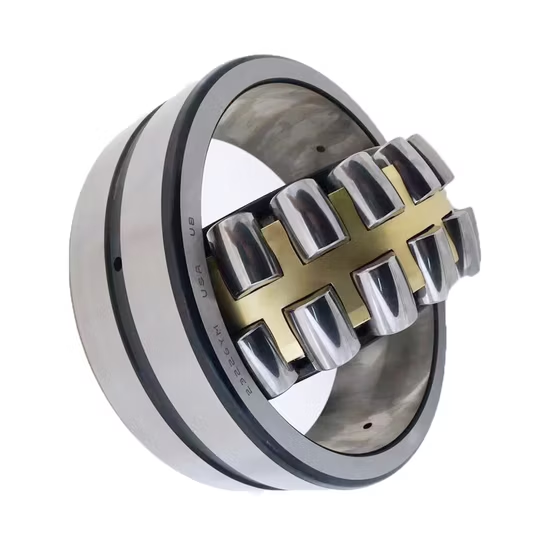
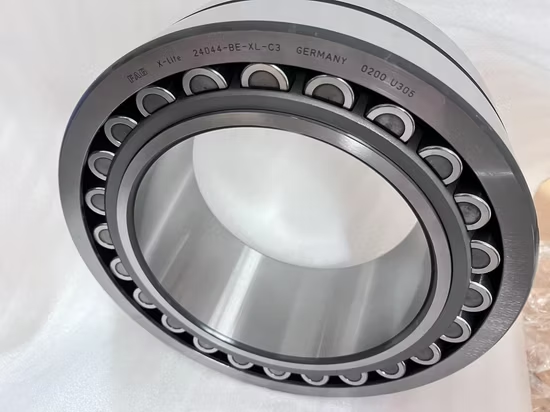
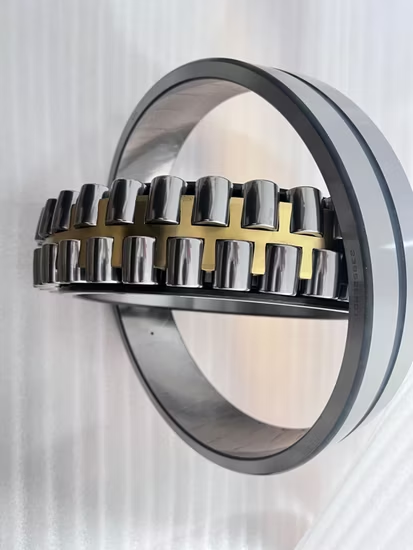
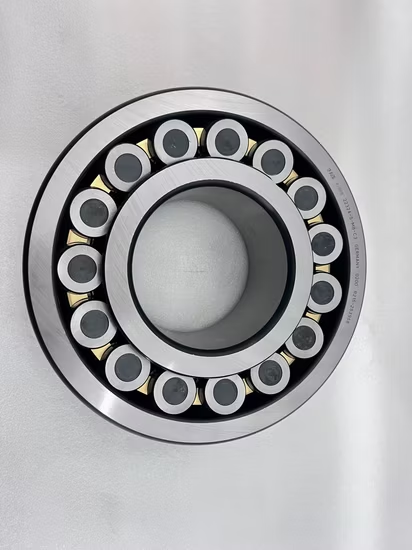
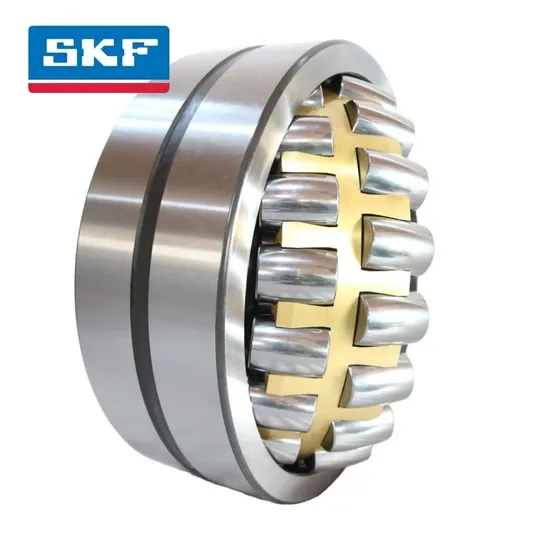

Timken 22220 Spherical Roller Bearing — features a dual-row spherical roller design for excellent self-alignment, effectively compensating for shaft misalignment in heavy-duty decelerators.
Original Batch Traceability — every Timken 22220 spherical roller bearing ships with verifiable lot documentation linking directly to the manufacturer's production records.
| Parameter | Value |
|---|---|
| Designation | 22220 |
| Bearing Type | Spherical Roller Bearing |
| Bore Type | Cylindrical |
| Dimension Series | 222 |
| Bore Diameter Code | 20 |
| Customization | Available in C3 or C4 clearance variants upon request |
| Industry | Typical Applications |
|---|---|
| Mining and Crushing | Vibrating screens and primary jaw crushers |
| Steel and Metallurgy | Continuous casting rollers and rolling mill drives |
| General Industrial | Heavy-duty decelerator machines and paper machine dryers |
Thermal binding from incorrect internal clearance destroys the raceway long before fatigue limits are reached.
In Latin American mining sites, I have inspected numerous seized gearboxes where the root cause was a clearance mismatch. A standard clearance variant installed in a high-temperature decelerator expands until the inner ring locks onto the shaft journal. This catastrophic failure mode highlights why verifying the exact suffix is critical when sourcing a Timken 22220 spherical roller bearing for heavy machinery . Cross-reference errors often match the base number while overlooking the thermal expansion requirements of the specific application.
Decelerator machines subject bearings to continuous radial loads combined with moderate axial thrust from helical gears. The self-aligning capability of this spherical roller design compensates for minor shaft deflections and housing misalignments inherent in heavy gearboxes. We review your specific load profiles to ensure the selected variant handles the combined stress without premature cage wear.
High ambient temperatures and internal gear friction generate significant heat within the decelerator housing. If the internal clearance is too tight, thermal expansion eliminates the operational gap, leading to severe friction and eventual seizure. Proper oil circulation or grease replenishment intervals are vital to carry heat away from the contact zones. Selecting the appropriate clearance class ensures the bearing maintains a stable oil film even at elevated operating temperatures .
The "222" prefix identifies the dimension series, indicating a robust cross-section optimized for heavy radial loads and moderate axial forces. The "20" suffix denotes the bore diameter code, translating to a specific shaft size for standard industrial gearboxes. While the base designation defines the physical envelope, the internal geometry and cage design dictate performance under vibration. Confirming these internal design codes during procurement prevents the installation of lightly loaded variants into high-shock environments.
Installing a bearing with the wrong internal clearance or cage material leads to unplanned downtime that far exceeds the component cost. When a decelerator seizes due to thermal binding, the resulting damage often extends to the shaft journal and housing seals. This cascading failure voids equipment warranties and forces emergency maintenance under severe production pressure. Adhering to strict suffix verification protocols prevents these costly operational disruptions.
We do not just match base numbers; we verify the internal clearance, cage material, and precision suffixes against your specific decelerator requirements. Our cross-reference checks ensure that alternative brands meet the exact thermal and load specifications of the original design. Every shipment includes batch traceability, allowing you to verify authenticity and material origin before installation. This technical scrutiny eliminates the risk of receiving counterfeit parts with soft inner rings that fail under heavy loads.
To ensure precise selection, please provide the radial and axial load values, operating speed, and expected thermal gradients of your decelerator application. Sharing the original OEM equipment number allows our engineering team to perform a comprehensive cross-reference check. This data enables us to recommend the optimal clearance class and confirm the exact suffix requirements for your specific machinery.
Q: How can I verify the authenticity of the 22220 bearing upon delivery?
A: You can verify authenticity by scanning the QR code on the packaging using the manufacturer's official mobile application. Additionally, we provide a Certificate of Conformity and batch traceability documents that link the specific lot number directly to the factory's production records, ensuring full transparency and genuine origin.
Q: Which suffix parameters must align during a cross-reference substitution?
A: When substituting equivalent models, you must strictly align the internal clearance class, cage material, and internal design suffixes. Matching only the base 22220 designation while ignoring these critical parameters can result in thermal binding or cage failure under the specific load and temperature conditions of your decelerator.
Q: What causes premature failure in decelerator spherical roller bearings?
A: Premature failure often stems from incorrect internal clearance selection, leading to thermal binding when the inner ring expands under high operating temperatures. Other common causes include inadequate lubrication, severe misalignment exceeding the bearing's self-aligning capacity, and the installation of counterfeit components with substandard metallurgical properties.
Q: How does a cylindrical bore affect the mounting process?
A: A cylindrical bore requires an interference fit on the shaft journal, typically achieved by heating the inner ring using an induction heater. This method ensures uniform expansion without damaging the raceway, allowing the bearing to slide smoothly onto the shaft and contract to form a secure, creep-free connection once it cools to ambient temperature.
Q: How do I select the correct clearance for high-temperature applications?
A: For high-temperature decelerator environments, a larger internal clearance such as C3 or C4 is necessary to compensate for the thermal expansion of the shaft and inner ring. You should evaluate the temperature differential between the inner and outer rings to ensure the operational clearance remains positive during steady-state running conditions.
Our 5-step process ensures every order is engineered, validated, and supported for optimal performance.
Technical needs assessment
Custom specifications
Free samples for $50k+
Pre-shipment inspection
On-site & predictive
Our certified engineers respond within 24 hours with detailed technical specifications, pricing, and lead time information.