01
Consultation
Technical needs assessment

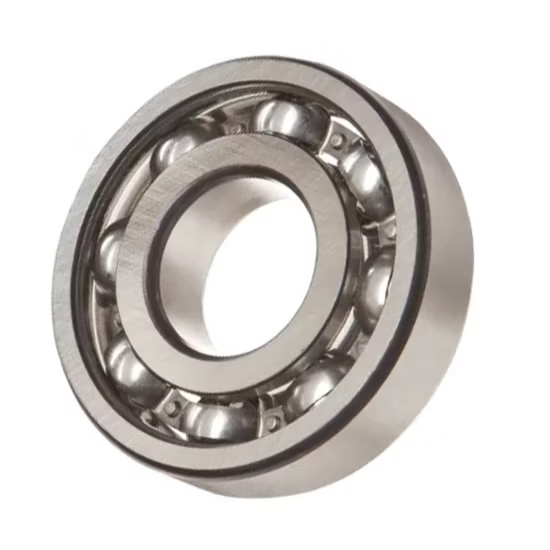


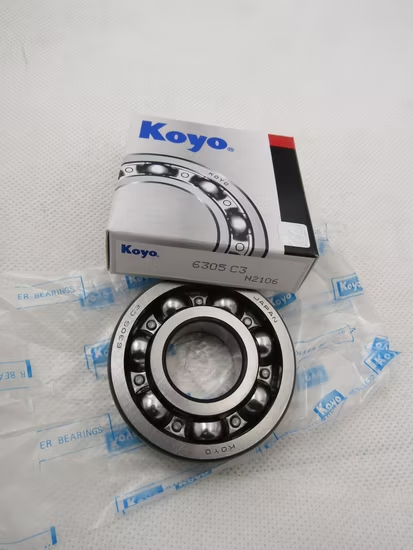
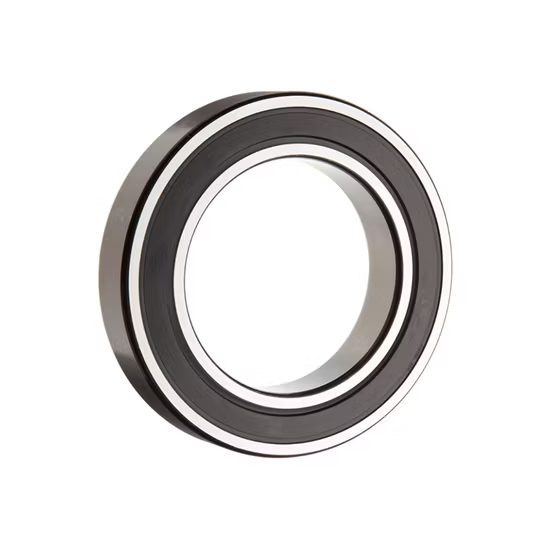
6214 6216 Deep Groove Ball Bearing — supplied in open, rubber seal, and iron shield variants with Z1V1 to Z4V4 precision grades for electric motors and industrial gearboxes.
Traceable Batch Origins — Every 6214 6216 deep groove ball bearing ships with manufacturer lot documentation for official QR verification.
| Parameter | Value |
|---|---|
| Designation | 6214 6216 |
| Bearing Type | Deep Groove Ball Bearing |
| Seal or Shield Type | Open, Rubber Seals, Iron Seals |
| Quality Level | Z1V1, Z2V2, Z3V3, Z4V4 |
| Origin | Germany, Japan, Sweden, Malaysia, China |
| HS Code | 848210 |
| Industry | Typical Applications |
|---|---|
| Electric Motors | Rotor shaft support, cooling fan drives |
| Industrial Gearboxes | High-speed input shafts, intermediate gearing |
| Material Handling | Conveyor pulley bearings, drive roll journals |
| Pumps and Compressors | Impeller shaft support, coupling alignments |
Matching the internal clearance and cage design prevents thermal binding in high-speed motor applications.
Many procurement engineers focus solely on the base designation, overlooking critical internal variations. Early in my career transitioning from quality inspection to trade, I investigated a batch of replaced units where standard clearance caused complete seizure in high-temperature electric motors. Sourcing a 6214 6216 deep groove ball bearing requires verifying the exact internal geometry, seal configuration, and noise grade to avoid catastrophic field failures .
Selecting the correct seal type and vibration grade ensures the 6214 6216 deep groove ball bearing survives its specific operating environment. Open variants suit clean, oil-lubricated gearboxes, while rubber or iron seals protect conveyor pulleys from abrasive dust. We cross-reference these exact sealing and quality combinations across authorized brands to ensure your mixed-brand orders maintain uniform performance.
Electric motors and industrial pumps subject bearings to fluctuating temperatures and particulate ingress. Elevated operating temperatures demand appropriate internal clearance to accommodate thermal expansion of the shaft and housing. Simultaneously, the choice between contacting rubber seals and non-contacting iron shields dictates the balance between friction heat generation and contamination exclusion .
The Z1V1 through Z4V4 quality classifications define the strictness of noise and vibration limits, directly impacting the acoustic performance of household appliances and precision motors. Seal options dictate maintenance intervals; iron shields offer low-friction protection for high-speed shafts, whereas rubber seals provide superior exclusion of moisture and fine particulates. Understanding these distinctions ensures the selected variant aligns perfectly with the equipment's dynamic and environmental requirements.
Installing a bearing with incorrect internal clearance or mismatched cage material leads to unplanned downtime and premature failure. A standard clearance unit in a high-heat application will experience thermal binding, rapidly degrading the lubricant and destroying the raceways. Such misalignments void equipment warranties and trigger cascading damage to adjacent shafts and housings, turning a minor spare parts purchase into a major operational crisis .
We eliminate the risk of soft inner ring counterfeits by sourcing strictly through authorized channels for every brand. Our cross-reference process verifies that clearance, cage material, and precision align perfectly, not just the base numbers. Every shipment includes batch traceability to the manufacturer, ensuring your maintenance team receives genuine components. We also provide application-based selection reviews to confirm the chosen variants handle your specific load and speed profiles.
To ensure accurate selection and L10 life calculation, please share your radial and axial load profiles, operating speeds, and ambient temperature ranges. If you are replacing existing components, providing the exact OEM equipment numbers allows our engineering team to perform a comprehensive cross-reference check. Detailing the environmental exposure helps us confirm the optimal seal and clearance combination for your specific machinery.
Q: How do I verify the authenticity of multi-brand bearings using official apps?
A: Scan the QR code on the packaging using the specific manufacturer's official application. This confirms the batch number, production date, and distribution channel, ensuring the components are genuine and fully traceable to the original factory.
Q: Why must internal clearance be matched during cross-brand interchange?
A: Base numbers alone do not define thermal behavior. Installing standard clearance where expanded clearance is required causes thermal binding at operating temperatures. We verify these internal geometries to prevent premature seizure in high-heat applications.
Q: What are the operational differences between rubber seals and iron shields?
A: Rubber seals provide excellent exclusion of fine dust and moisture but generate slightly more friction. Iron shields offer low-friction protection suitable for high-speed applications but provide less resistance to heavy liquid contamination.
Q: How do Z1V1 to Z4V4 quality levels affect motor performance?
A: These grades define the strictness of noise and vibration limits during manufacturing. Higher grades like Z3V3 or Z4V4 are essential for precision electric motors and appliances where acoustic performance and smooth operation are critical.
Q: What documentation proves country-of-origin for customs compliance?
A: We provide comprehensive country-of-origin certificates alongside the Certificate of Conformity and batch traceability records. These documents satisfy international customs requirements and prove the legitimate manufacturing source of the components.
Our 5-step process ensures every order is engineered, validated, and supported for optimal performance.
Technical needs assessment
Custom specifications
Free samples for $50k+
Pre-shipment inspection
On-site & predictive
Our certified engineers respond within 24 hours with detailed technical specifications, pricing, and lead time information.