01
Consultation
Technical needs assessment

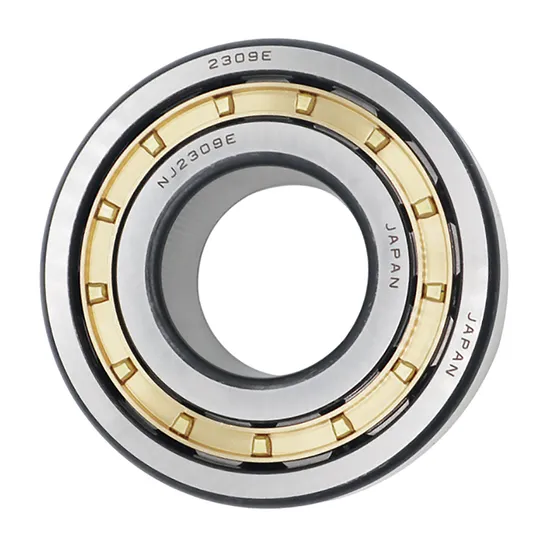

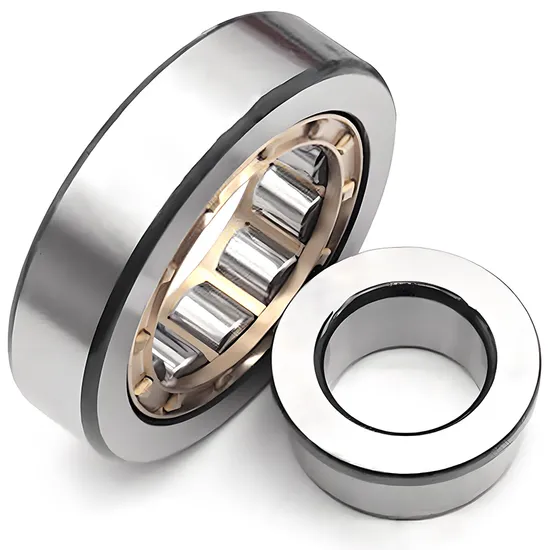
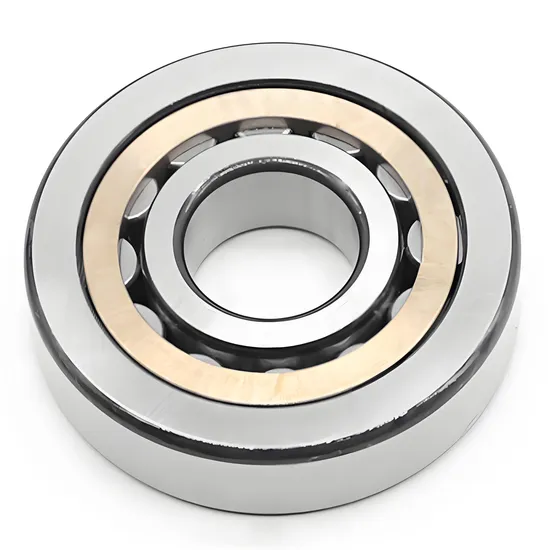
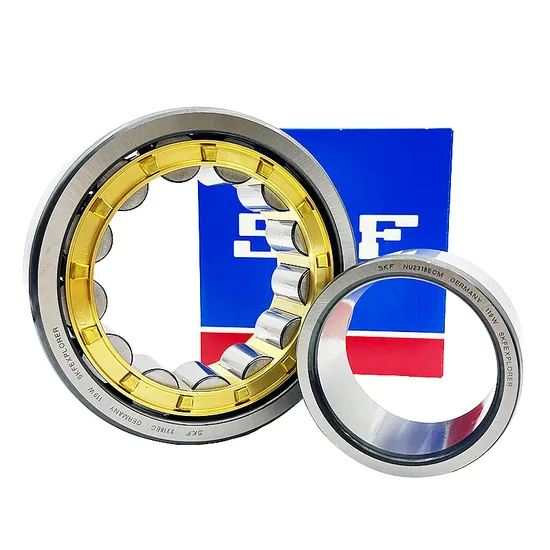
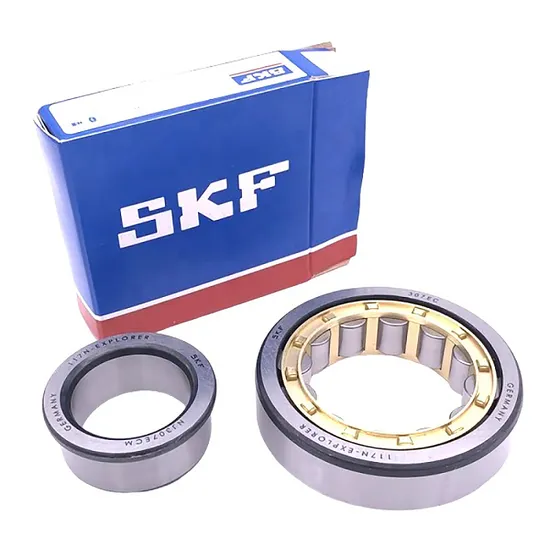
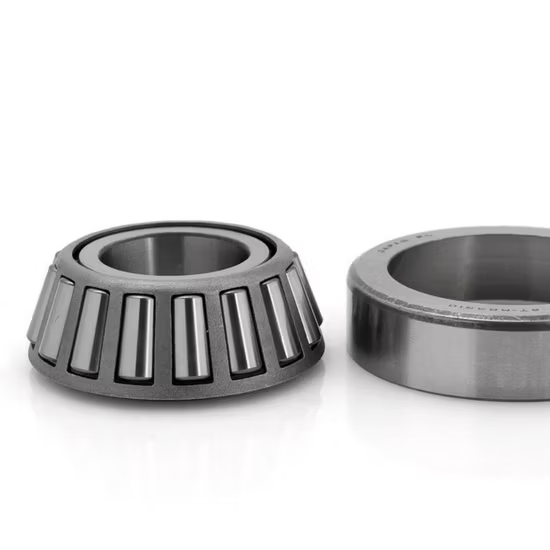
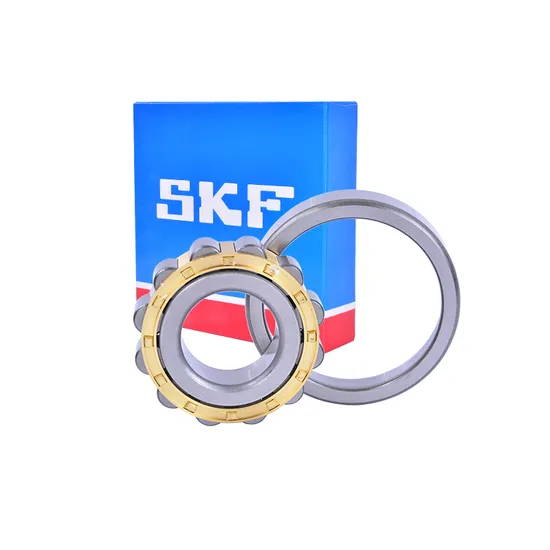
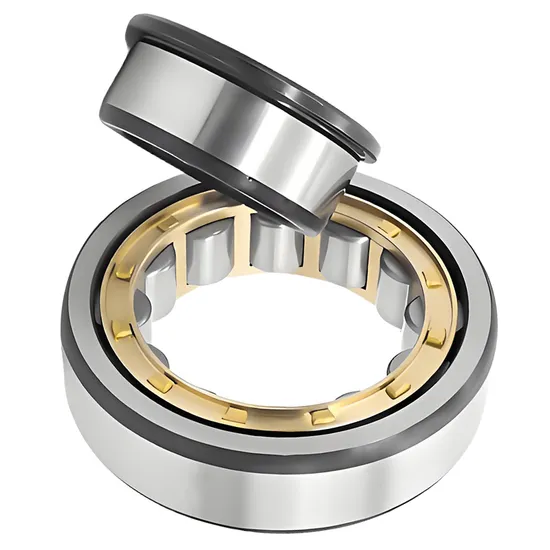
Nj2210/Nj2211/Nj2212/Nj2213/Nj2214/Nj2215/Nj2216/Nj2217/Nj2218/Nj2219 Cylindrical Roller Bearings — Single row NJ design with integral flanges for axial positioning and separated assembly.
Batch Traceability — Every Nj2210/Nj2211/Nj2212/Nj2213/Nj2214/Nj2215/Nj2216/Nj2217/Nj2218/Nj2219 shipment includes manufacturer lot documentation for full supply chain visibility.
| Parameter | Value |
|---|---|
| Designation | Nj2210/Nj2211/Nj2212/Nj2213/Nj2214/Nj2215/Nj2216/Nj2217/Nj2218/Nj2219 |
| Product Type | Cylindrical Roller Bearing |
| Bearing Type | Single Row Cylindrical Roller Bearing |
| Bore Type | Cylindrical |
| Number of Rows | Single Row |
| Separated | Separated |
| Cage Material | Brass |
| Origin | Germany / Japan / Sweden / Malaysia / China |
| Industry | Typical Applications |
|---|---|
| Power Transmission | Heavy-duty gearbox intermediate shafts and high-torque output stages |
| Metal Processing | Rolling mill work roll necks and continuous caster guide rolls |
| Electric Mobility | Traction motor rotor shaft support in heavy commercial vehicles |
| Precision Machining | Machine tool spindle rear support and heavy-duty indexing tables |
Matching the base number while ignoring clearance and cage suffixes causes severe thermal binding in high-load gearboxes. As a verified Nj2210-Nj2219 cylindrical roller bearing supplier, we ensure every suffix aligns precisely with your OEM thermal and mechanical requirements.
I once inspected a gearbox in the Yangtze River Delta where an inner ring expanded and seized completely because the wrong clearance class was installed. The base designation matched, but the missing C3 clearance suffix caused catastrophic failure under continuous high-temperature operation . When cross-referencing these medium-width, heavy-diameter series bearings, procurement teams often overlook how internal geometry and cage material dictate survival in harsh environments.
The Nj2210/Nj2211/Nj2212/Nj2213/Nj2214/Nj2215/Nj2216/Nj2217/Nj2218/Nj2219 range belongs to the 22 dimension series, featuring a medium width and heavy diameter cross-section. This specific geometry is engineered to accommodate substantial radial loads while maintaining a compact axial footprint. Sourcing from an authorized Nj2210-Nj2219 cylindrical roller bearing supplier guarantees that the internal load distribution matches the original equipment manufacturer's structural calculations for heavy machinery.
In traction motors and heavy gearboxes, operational heat drastically alters internal clearances. If the thermal expansion of the shaft and housing is not compensated by the correct internal clearance class, the rollers will skid, leading to rapid cage wear. Furthermore, these separated designs require precise oil flow or grease relubrication intervals to prevent metal-to-metal contact at the flange edges, especially when subjected to combined radial and minor axial locating forces .
The "NJ" prefix indicates a single row design with two integral flanges on the outer ring and one on the inner ring. This specific flange arrangement allows the bearing to locate the shaft axially in one direction while permitting axial displacement in the opposite direction to accommodate thermal shaft elongation. The brass cage provides exceptional structural integrity and wear resistance under heavy loads and high vibrations, outperforming stamped steel alternatives in demanding industrial gearboxes.
Substituting a bearing based solely on the base number without verifying the cage material or internal clearance often results in unplanned downtime. A brass cage might be swapped for a polyamide variant that cannot withstand the elevated operating temperatures of a rolling mill. Such errors lead to premature cage fragmentation, catastrophic shaft damage, and immediate warranty voidance, costing far more than the initial component price .
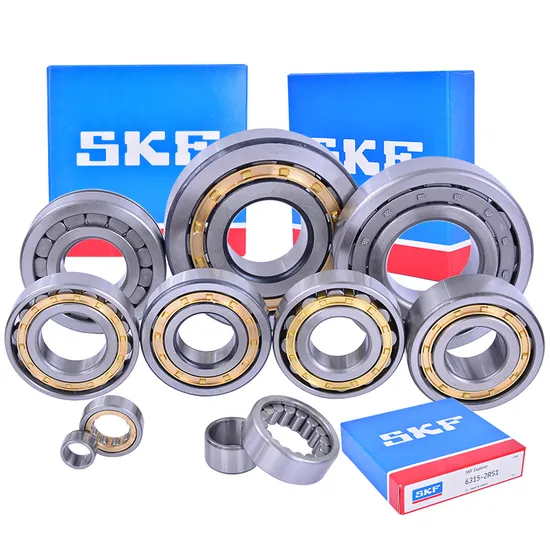
We provide authorized coverage across all major brands, allowing you to consolidate mixed-brand requirements in a single order. Our cross-brand interchange process strictly matches clearance, cage material, and precision suffixes, preventing the thermal binding issues common with blind replacements. Every batch is fully traceable to the manufacturer, and we conduct application-based selection reviews covering load, speed, and temperature to ensure the Nj2210/Nj2211/Nj2212/Nj2213/Nj2214/Nj2215/Nj2216/Nj2217/Nj2218/Nj2219 you receive is exactly what your equipment demands.
To ensure optimal performance, please provide your specific radial and axial load profiles, operational speeds, and expected temperature ranges. Sharing the exact OEM equipment number allows our engineering team to perform a precise cross-reference check, verifying that the clearance class and cage material perfectly match your application. This technical review ensures the selected bearing delivers maximum service life under your unique operating conditions.
Q: Why must clearance and cage suffixes match exactly during cross-referencing?
A: Base numbers only define the outer dimensions. The clearance class compensates for thermal expansion, while the cage material dictates high-speed and heavy-load survival. Ignoring these suffixes during cross-referencing leads to thermal binding or cage fragmentation, causing severe equipment damage and unplanned downtime in heavy-duty applications.
Q: How does the brass cage benefit the NJ design in heavy gearboxes?
A: Brass cages offer superior structural strength and wear resistance compared to stamped steel or polyamide alternatives. In heavy-duty gearboxes experiencing high radial loads and significant vibration, the brass cage maintains precise roller spacing, prevents metal-to-metal contact, and ensures reliable operation under harsh mechanical stress.
Q: How can I verify the authenticity of the received bearings?
A: Every bearing we supply features batch traceability and can be verified using the respective brand's official mobile application. By scanning the QR code on the packaging or the bearing itself, you can instantly confirm its origin, production batch, and authenticity, completely eliminating the risk of installing counterfeit components.
Q: What is the correct heating method for mounting the inner ring?
A: Induction heating is the recommended method for mounting the cylindrical bore inner rings of the NJ series. It is crucial to monitor and control the heating temperature strictly to prevent altering the metallurgical structure of the steel, ensuring the inner ring maintains its precise dimensional tolerance and hardness after cooling.
Our 5-step process ensures every order is engineered, validated, and supported for optimal performance.
Technical needs assessment
Custom specifications
Free samples for $50k+
Pre-shipment inspection
On-site & predictive
Our certified engineers respond within 24 hours with detailed technical specifications, pricing, and lead time information.