01
Consultation
Technical needs assessment


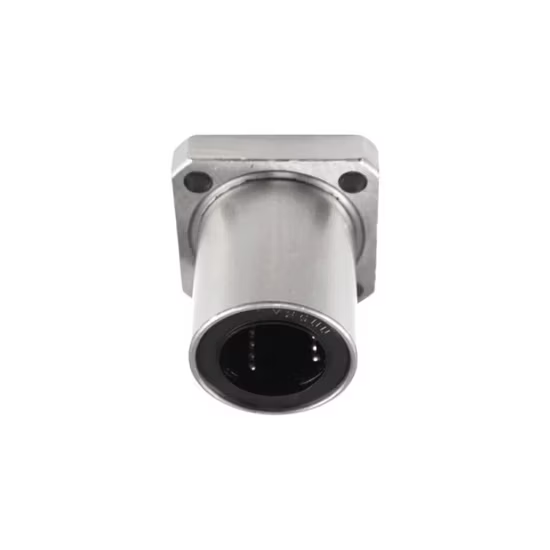

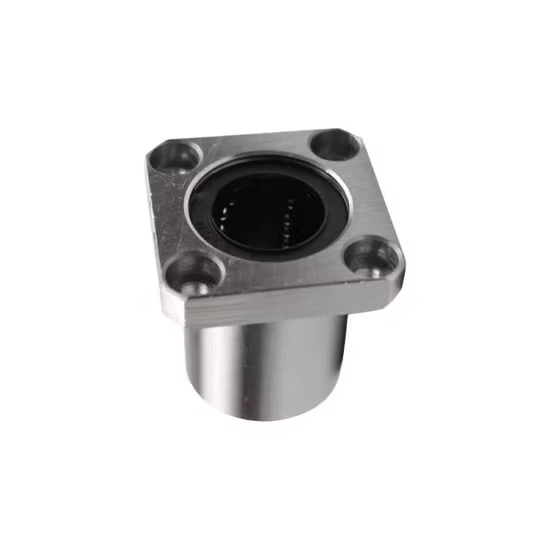
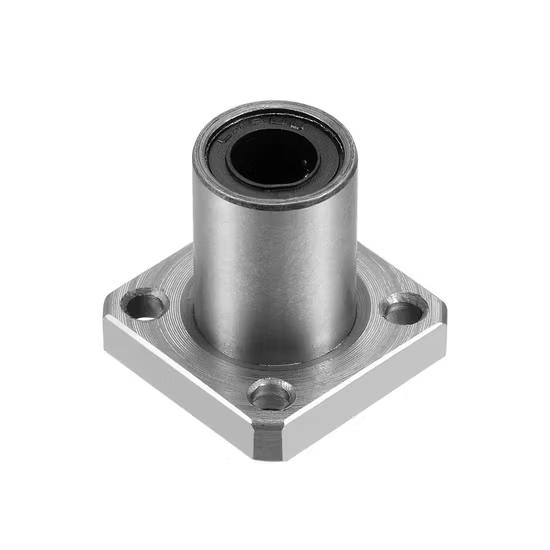

Lmk12luu Lmk13luu Lmk16luu Linear Bearings feature bearing steel construction and nylon cages for low-friction, quiet operation in high-speed automation.
Multi-Brand Authorized Coverage — sourcing Lmk12luu Lmk13luu Lmk16luu linear bearing units alongside other international brands in a single consolidated shipment eliminates multi-vendor coordination.
| Parameter | Value |
|---|---|
| Designation | Lmk12luu Lmk13luu Lmk16luu |
| Product Type | Linear Bearing |
| Flange Shape | Circular |
| Series | LM |
| Material | Bearing Steel |
| Precision Class | P0, P6, P5, P4, P2 |
| Cage Material | Nylon |
| Origin | Germany / Japan / Sweden / Malaysia / China |
| Cross Reference | Lmuu |
Note: The specific alphanumeric suffixes within this designation are unverified and require manufacturer catalog confirmation prior to final integration.
| Industry | Typical Applications |
|---|---|
| Automation & Robotics | High-speed reciprocating pick-and-place axes, articulated robot arm linear guides |
| Machine Tools | Precision spindle traverse mechanisms, CNC tool changer linear slides |
| Material Handling | Automated storage and retrieval system shuttle mechanisms, conveyor diverters |
Material mismatch under rapid acceleration causes catastrophic cage fragmentation.
In automated assembly lines, rapid directional changes generate immense inertial stress on the rolling elements. When procurement teams focus solely on the base designation and ignore the cage material suffix, they often receive components ill-equipped for high-frequency reciprocation. The resulting cage碎裂 not only halts production but introduces metallic debris into the carriage, destroying the shaft surface. Validating the exact internal structure is mandatory to prevent these sudden mechanical seizures .
Securing the correct Lmk12luu Lmk13luu Lmk16luu linear bearing requires looking past the outer dimensions to evaluate the internal rolling element arrangement. Our technical review process verifies that the nylon cage design and seal friction characteristics align with the specific acceleration profiles of your automated machinery. This prevents the slider异响 and premature wear that plague poorly specified linear guides.
Continuous high-speed travel generates significant frictional heat within the carriage, directly impacting the nylon cage and the lubrication film. If the seal type creates excessive drag, the localized temperature spikes, degrading the grease and leading to dry running. Furthermore, inadequate sealing allows microscopic particulate ingress, which acts as an abrasive lapping compound against the bearing steel shaft, rapidly accelerating fatigue and dimensional wear .
The circular flange design provides a robust mounting interface, distributing axial and radial loads evenly across the housing block to prevent micro-movements during heavy cutting or rapid traversing. The integrated sealing arrangement is critical; it must retain the factory-applied lubricant while excluding environmental contaminants without introducing prohibitive friction. Selecting the appropriate precision class ensures the carriage maintains strict parallelism and smooth travel, which is non-negotiable for precision equipment and machine tool spindles where micron-level deviations ruin surface finishes.
Relying exclusively on the basic model number while ignoring critical suffixes inevitably leads to unplanned downtime and catastrophic damage to the guide shaft. A mismatched seal type increases drag, causing motor overload and positional inaccuracies in servo-driven axes. According to failure analysis frameworks, substituting a standard clearance or cage material for a high-speed application drastically reduces the operational lifespan, voiding equipment warranties and inflating maintenance budgets .
We intercept cross-reference errors that match the base number but overlook the crucial nylon cage and seal suffixes, preventing thermal binding in high-speed applications. Every batch we supply includes full traceability to the manufacturer, ensuring the bearing steel and precision grades meet exact OEM specifications. Our application-based selection review evaluates your specific load, speed, and mounting constraints to guarantee the circular flange configuration is perfectly suited for your machinery.
To ensure optimal performance and longevity, provide our engineering team with your specific radial and axial load profiles, maximum traverse speeds, and operating temperature ranges. Sharing the OEM equipment number or the exact guide rail profile allows us to perform a rigorous cross-reference check and L10 life calculation. This technical validation guarantees the selected configuration perfectly matches your mechanical design constraints.
Q: How can I verify the authenticity and batch traceability of these linear units?
A: We provide comprehensive documentation including a Certificate of Conformity and batch traceability records for every order. Buyers can verify authenticity by scanning the QR codes on the packaging using the manufacturer's official mobile application, ensuring the components are genuine and ruling out counterfeits with cloned markings or soft inner rings.
Q: Why is it critical to match the seal type during cross-referencing?
A: Matching the seal type ensures the correct balance between contamination exclusion and frictional drag. Installing a high-drag seal in a high-speed automation axis causes excessive heat buildup, degrading the grease and leading to premature nylon cage failure. Our technical review ensures the seal configuration aligns precisely with your operational speed and environmental exposure requirements.
Q: What are the selection criteria for different precision classes in linear motion?
A: Precision classes dictate the dimensional tolerances and running accuracy of the carriage. Standard grades are suitable for general material handling, while higher precision classes are mandatory for machine tool spindles and robotics where micron-level deviations cause vibration or poor surface finishes. We help you select the exact grade to match your equipment's tolerance stack-up.
Q: How do I choose between nylon and steel cages for different operating speeds?
A: Nylon cages are preferred for high-speed applications due to their lower weight, reduced friction, and dampening properties, which minimize noise and heat generation. Steel cages are reserved for environments with extreme temperatures where polymers would degrade. We evaluate your specific speed and thermal profiles to recommend the optimal cage material for maximum service life.
Our 5-step process ensures every order is engineered, validated, and supported for optimal performance.
Technical needs assessment
Custom specifications
Free samples for $50k+
Pre-shipment inspection
On-site & predictive
Our certified engineers respond within 24 hours with detailed technical specifications, pricing, and lead time information.


