01
Consultation
Technical needs assessment


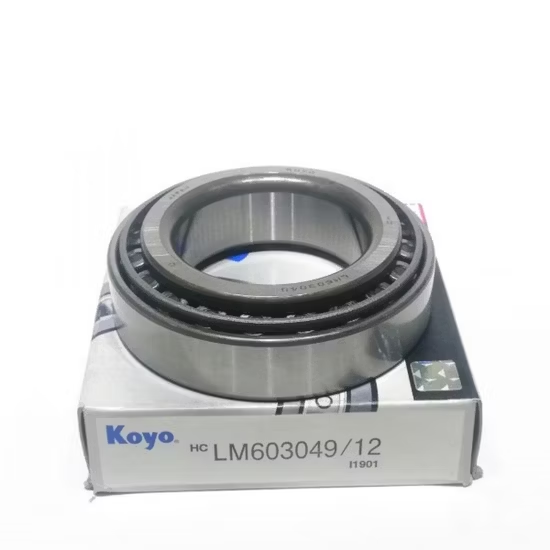
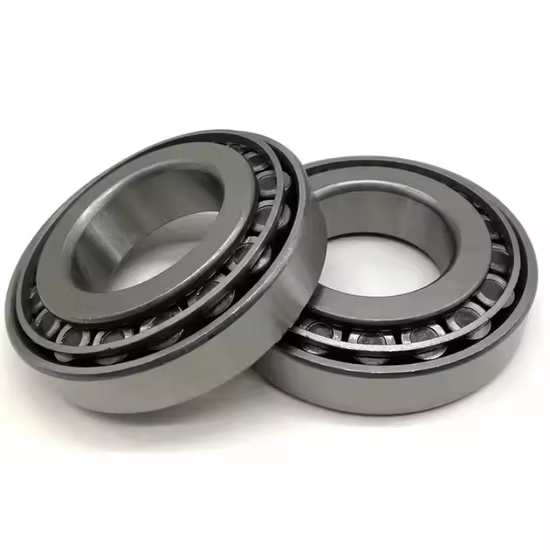


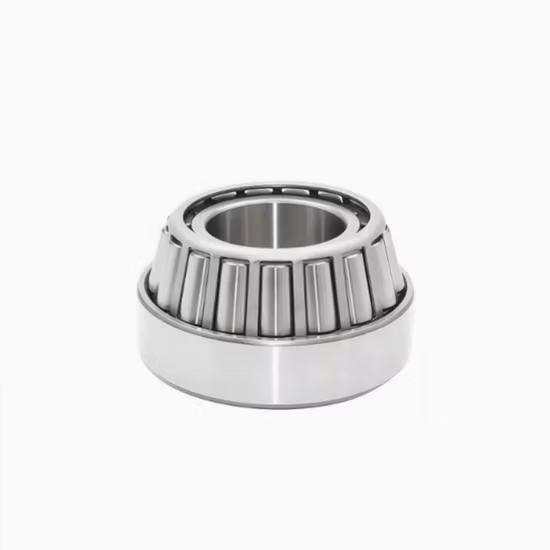
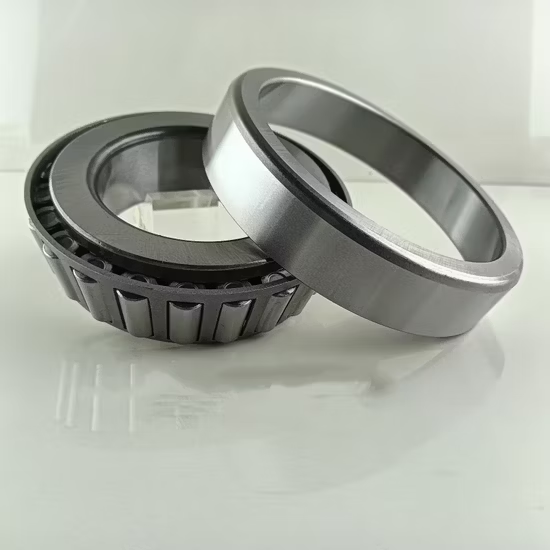
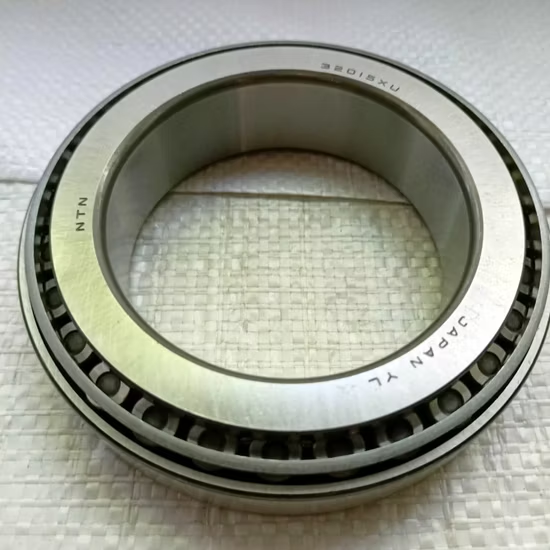
HM807049/10 Tapered Roller Bearing 53.975×104.775×36.512 mm P4 — engineered for heavy-duty radial and axial loads.
Three-point cross-reference alignment — matching clearance, cage material, and precision suffixes to prevent thermal binding when substituting the HM807049/10 tapered roller bearing in heavy-duty gearboxes.
| Parameter | Value |
|---|---|
| Designation | HM807049/10 |
| Bearing Type | Tapered Roller Bearing |
| Bore Diameter (d) | 53.975 mm |
| Outside Diameter (D) | 104.775 mm |
| Width (T) | 36.512 mm |
| Dynamic Load Rating (C) | 203284 N |
| Static Load Rating (C₀) | 223301 N |
| Contact Angle Factor (Y) | 1.23 |
| Precision Class | P4 |
| Cage Material | Available in nylon, brass, or pressed steel variants |
| Material | GCr15 bearing steel |
| Certification | ISO 355 |
| Origin | Germany, Japan, Sweden, Malaysia, or China |
| Industry | Typical Applications |
|---|---|
| Industrial Gearboxes | Heavy-duty reduction gear shafts and pinion supports |
| Mining and Crushing | Jaw crusher eccentric shafts and vibrating screen mechanisms |
| Automotive and Heavy Vehicle | Truck axle wheel hubs and differential carrier assemblies |
Matching the base designation is never enough to guarantee field survival under heavy shock loads.
I have seen entire crushing circuits in Latin America shut down because a cross-reference matched the basic numbers but completely ignored the internal cage design and clearance class. When procurement teams focus only on the outer dimensions, they frequently install standard clearance components where thermal expansion demands a C3 equivalent, leading to catastrophic thermal binding within weeks . This exact oversight turns a routine maintenance swap into an unplanned downtime event that costs far more than the component itself.
Procurement engineers often receive equipment lists that only specify the basic HM807049/10 tapered roller bearing without detailing the necessary internal modifications for extreme environments. Our technical review process intercepts these incomplete requests by analyzing the actual radial and axial load ratios of the target machinery. By verifying the exact operational demands against the manufacturer's internal design codes, we ensure the supplied components can withstand the severe shock loads typical in mining and heavy transport applications.
Heavy machinery operating in high-ambient-temperature environments faces severe lubrication degradation and uneven thermal expansion between the shaft and housing. If the internal clearance is not correctly specified to compensate for these thermal gradients, the rolling elements will skid and generate excessive friction heat. Proper selection of the cage material is equally critical, as high-speed gear shafts require lightweight polymer cages to reduce inertia, while high-vibration crusher shafts demand the durability of machined brass to prevent cage fracture .
The nomenclature of this single-row inch-series component reveals critical engineering details that dictate its load-carrying behavior. The "HM" prefix designates a heavy-duty series built for substantial radial and thrust loads, while the "8" series identifier confirms a steep contact angle optimized for axial positioning rigidity. The "49" and "10" suffixes specifically define the inner ring assembly and outer ring cup, ensuring that the P4 precision class and the 1.23 contact angle factor are maintained across mating components during assembly.
Installing a component with the wrong internal geometry or precision class leads directly to premature fatigue and catastrophic raceway spalling. According to failure analysis frameworks, a significant share of these early failures stems from improper mounting practices combined with mismatched internal clearances that restrict lubricant flow . The resulting collateral damage to adjacent gears and housings frequently voids equipment warranties and forces complete drivetrain rebuilds.
Sourcing critical spares requires more than just finding the lowest price; it demands absolute certainty in component authenticity and traceability. We address the rampant issue of cloned packaging by providing batch-level traceability that links directly back to the manufacturer's production facilities. Our cross-referencing protocol specifically checks for easily missed suffix variations that alter the internal contact angle, ensuring that every replacement part performs exactly as the original equipment manufacturer intended.
To ensure the selected components perfectly match your machinery, please provide the specific radial and axial load profiles along with the operating speed and temperature ranges. Sharing the original equipment manufacturer part numbers allows our engineering team to perform a comprehensive cross-reference check, verifying that all internal design suffixes align with your exact application requirements. This technical validation guarantees that the replacement parts will deliver reliable service life under your specific operational conditions.
Q: Why must clearance and cage suffixes be verified when cross-referencing this designation?
A: Base numbers only define the outer dimensions. Ignoring internal suffixes often results in installing standard clearance components in high-temperature gearboxes, causing thermal binding. Verifying these details ensures the internal geometry and cage material can withstand the specific shock loads and thermal expansion of your application without premature failure.
Q: How is batch traceability verified for these heavy-duty components?
A: Every shipment includes documentation linking the specific production batch to the manufacturer's facilities. Buyers can scan the QR codes on the packaging using the brand's official mobile application to instantly validate authenticity, ensuring the components are genuine and protecting the equipment from the catastrophic damage caused by counterfeit parts.
Q: Which cage material is optimal for high-vibration crusher applications?
A: For severe vibration and heavy shock loads typical in mining crushers, machined brass cages are generally preferred due to their superior structural integrity and resistance to fatigue. Conversely, lightweight polymer cages might be specified for high-speed industrial gearboxes where reducing rotational inertia and minimizing friction heat generation are the primary engineering concerns.
Q: What are the best practices for mounting the inner ring assembly?
A: The inner ring should be mounted using an induction heater with strict temperature limits to prevent altering the P4 precision class and metallurgical properties of the GCr15 steel. Avoid direct flame heating, and always use calibrated tools to apply the correct axial clamping force, ensuring the proper residual clearance is maintained for the tapered roller geometry.
Our 5-step process ensures every order is engineered, validated, and supported for optimal performance.
Technical needs assessment
Custom specifications
Free samples for $50k+
Pre-shipment inspection
On-site & predictive
Our certified engineers respond within 24 hours with detailed technical specifications, pricing, and lead time information.