01
Consultation
Technical needs assessment

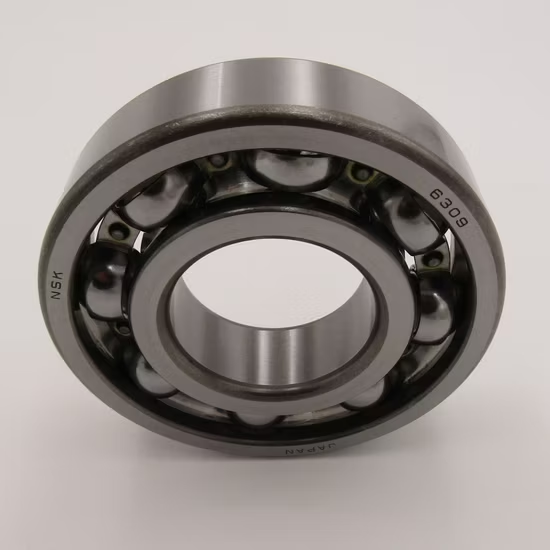

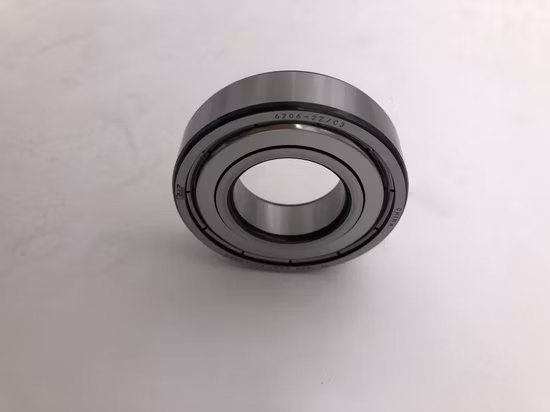

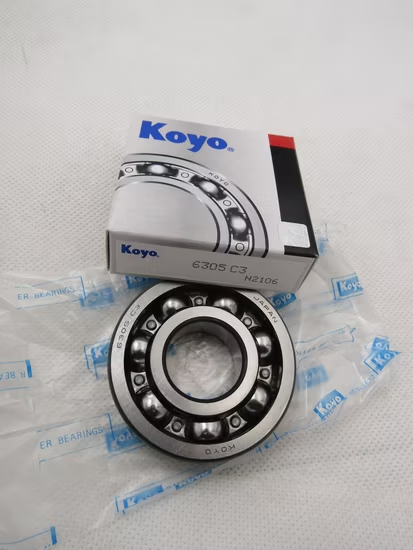
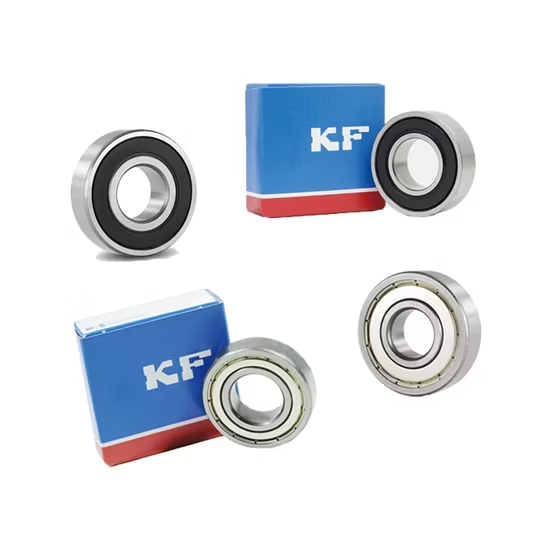
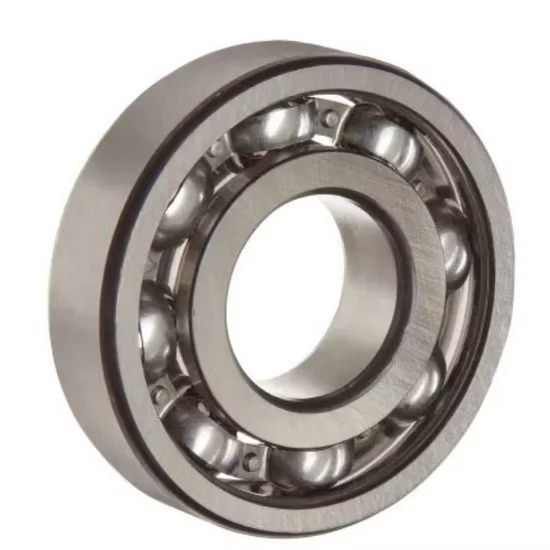
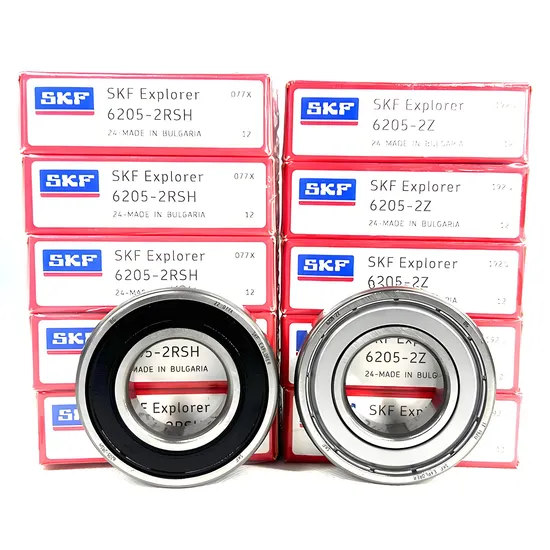
6205 Deep Groove Ball Bearing 25×52×15 mm — featuring a standard internal design optimized for reliable radial load support in electric motors, industrial gearboxes, and general maintenance applications. This base configuration ensures direct drop-in replacement without requiring equipment modification.
Unified Multi-Brand Sourcing — Fulfill mixed SKF, FAG, and NSK requirements for this 25x52x15mm unit in a single consolidated shipment without coordinating multiple vendors.
| Parameter | Value |
|---|---|
| Designation | 6205 |
| Bearing Type | Deep Groove Ball Bearing |
| Bore Diameter (d) | 25 mm |
| Outside Diameter (D) | 52 mm |
| Width (B) | 15 mm |
| Seal or Shield Type | Open, Rubber Seals, Iron Shields (available options) |
| Noise and Vibration Level | Z1V1, Z2V2, Z3V3, Z4V4 (available options) |
| Origin | Germany, Japan, Sweden, Malaysia, China (available options) |
| Industry | Typical Applications |
|---|---|
| Electric Motors | Rotor shaft support in AC/DC motors requiring low noise and smooth rotation |
| Industrial Gearboxes | High-speed input shafts and intermediate gear supports handling radial loads |
| General MRO | Replacement units for conveyor drive pulleys and agricultural pump assemblies |
Thermal expansion dictates clearance selection, not just the base 6205 deep groove ball bearing number.
Sourcing teams often focus strictly on the base dimension and overlook internal clearance classes. In high-temperature motor environments, installing a standard CN clearance instead of the required C3 variant leads to thermal binding. As the shaft and housing expand under operational heat, the internal clearance vanishes, generating excessive friction that ultimately seizes the rotor and burns out the stator windings . This exact failure mode is a frequent sight in repair workshops where generic replacements were installed without verifying the application's thermal profile.
Selecting the correct variant goes far beyond matching the 25x52x15mm envelope dimensions. We evaluate the specific rotational speed, ambient temperature, and contamination level of your equipment to recommend the appropriate seal configuration and noise grade. Whether your application demands the ultra-quiet operation of a Z4V4 rated unit for precision appliances or the robust contamination defense of rubber seals for dusty agricultural conveyors, our technical review ensures the selected 6205 deep groove ball bearing aligns perfectly with your operational reality.
Electric motor shafts operate at high speeds where friction heat rapidly diminishes internal clearance, making C3 or C4 clearance classes essential for preventing cage failure. In contrast, gearbox applications often face heavy radial loads combined with airborne particulate ingress, necessitating robust sealing solutions. Iron shields offer low-friction protection for clean, high-speed environments, while rubber seals provide critical exclusion of moisture and dust in harsh MRO settings. Proper lubrication selection and relubrication intervals further dictate whether an open or pre-greased sealed configuration will deliver optimal service life .
The base 6205 deep groove ball bearing designation merely defines the physical footprint; the suffixes determine survival in the field. Open variants allow for custom grease packing and external relubrication, ideal for accessible gearboxes with scheduled maintenance. Rubber-sealed options permanently retain factory grease while blocking fine particulates, though they introduce slightly higher rotational friction. Furthermore, the Z1V1 through Z4V4 noise and vibration classifications indicate the strictness of the manufacturer's dynamic balancing and surface finish tolerances. Specifying a Z3V3 or Z4V4 grade is non-negotiable for high-speed electric motors where acoustic resonance and micro-vibrations can degrade adjacent sensitive components.
Substituting a standard precision and clearance unit into a demanding application triggers a cascade of mechanical degradation. According to failure mode classifications outlined in ISO 15243, improper clearance leads to excessive rolling element slip, accelerating raceway smearing and premature fatigue spalling . This unplanned downtime extends far beyond the cost of the replacement part, encompassing lost production hours, secondary damage to motor windings or gearbox housings, and emergency freight expenses. Correcting these specification mismatches during the procurement phase eliminates these compounding operational losses.
Counterfeit bearings frequently feature soft inner rings and cloned packaging that easily bypass casual visual inspections. We eliminate this risk by supplying exclusively through authorized channels, ensuring every 6205 deep groove ball bearing features verifiable batch traceability linked directly to the manufacturer. Our cross-reference protocol strictly aligns the required clearance, cage material, and seal type rather than just matching the base number. This rigorous verification prevents the catastrophic field failures caused by internal design mismatches, giving maintenance teams absolute confidence in the metallurgical integrity and dimensional accuracy of every unit deployed.
To ensure flawless integration, provide our engineering team with your specific radial and axial load profiles, operational RPM, and steady-state temperatures. This data allows us to conduct a thorough L10 life calculation and verify whether a C3 clearance or specific seal type is required for your application. If you are replacing an existing unit, sharing the original OEM equipment number enables us to perform a precise cross-reference check, guaranteeing the supplied bearing matches the factory-engineered internal geometry and suffix configuration.
Q: How can I verify the authenticity of the received units?
A: Every unit includes batch traceability documentation and a unique QR code. You can scan this code using the official smartphone application provided by the specific brand to instantly verify the manufacturing origin and detect any cloned or falsified packaging, ensuring complete supply chain transparency.
Q: Why is matching the clearance suffix more critical than the base number?
A: The base number only confirms the 25x52x15mm dimensions. If a motor operates at elevated temperatures, a standard CN clearance will thermally expand and seize, whereas a C3 clearance accommodates this growth. Matching the exact clearance suffix prevents catastrophic binding and extends operational life.
Q: What is the practical difference between Z1V1 and Z4V4 noise levels?
A: These designations reflect the strictness of dynamic balancing and surface finish tolerances during manufacturing. While Z1V1 is adequate for general conveyors, Z4V4 guarantees ultra-low vibration and acoustic noise, which is strictly required for high-speed electric motors and precision appliances to prevent resonance issues.
Q: How do I choose between rubber seals and iron shields?
A: Iron shields provide low-friction protection against large debris in clean, high-speed environments. Rubber seals offer superior exclusion of fine dust and moisture but introduce slightly higher rotational friction. The choice depends entirely on the contamination level and speed requirements of your specific application.
Q: What information do you need to cross-reference an OEM part?
A: Please provide the exact OEM equipment number, the original bearing designation including all suffixes, and your operational parameters such as load, speed, and temperature. This allows our technical team to verify the internal design and supply a fully compatible, authenticated replacement.
Our 5-step process ensures every order is engineered, validated, and supported for optimal performance.
Technical needs assessment
Custom specifications
Free samples for $50k+
Pre-shipment inspection
On-site & predictive
Our certified engineers respond within 24 hours with detailed technical specifications, pricing, and lead time information.