01
Consultation
Technical needs assessment

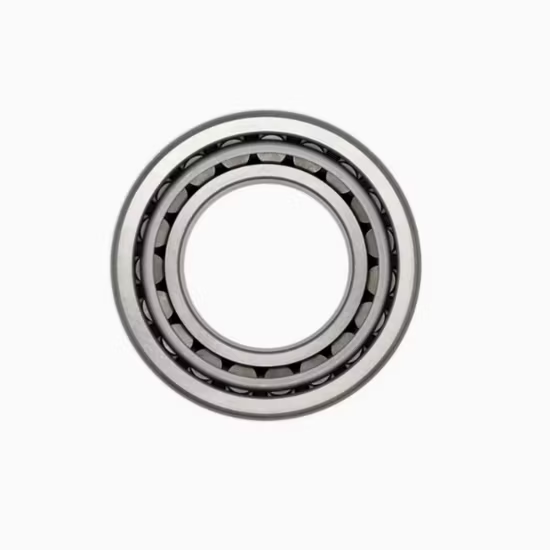
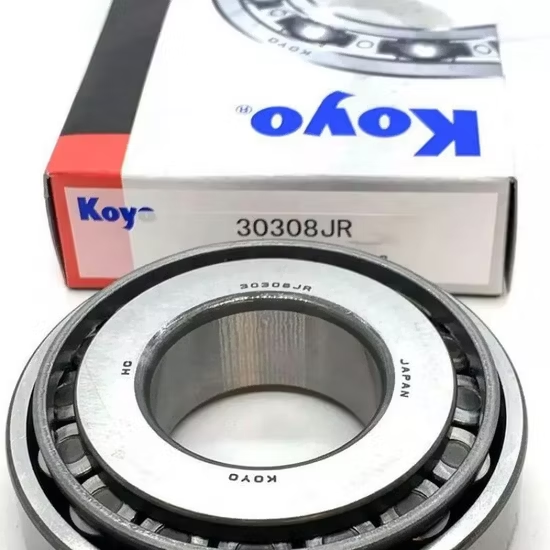
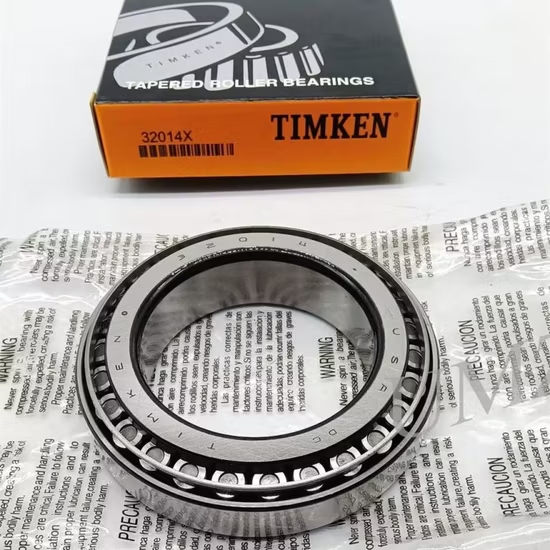
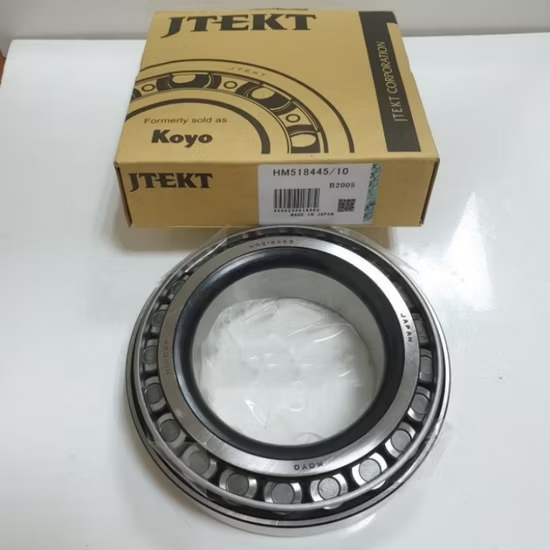
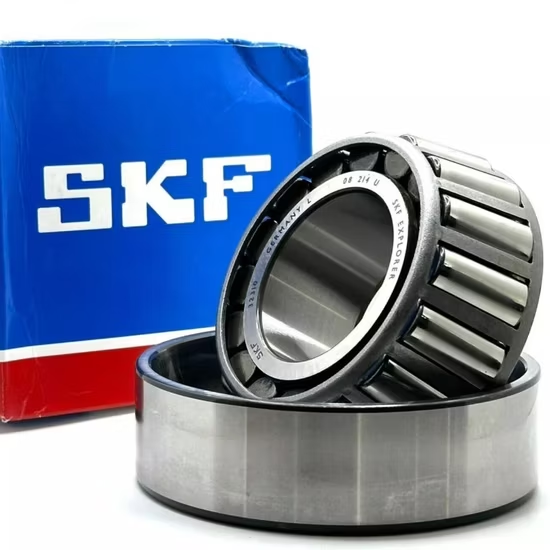
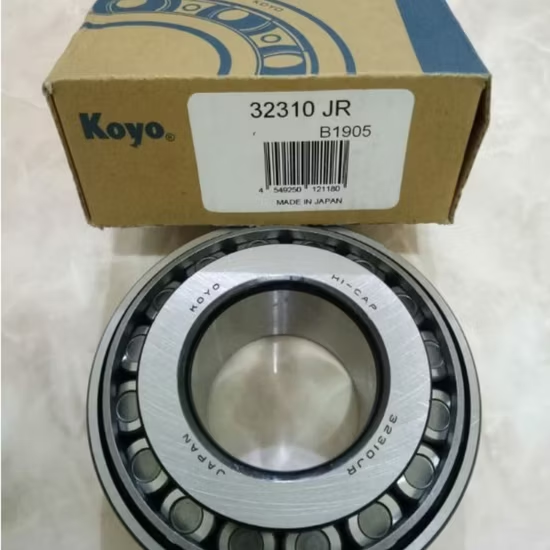
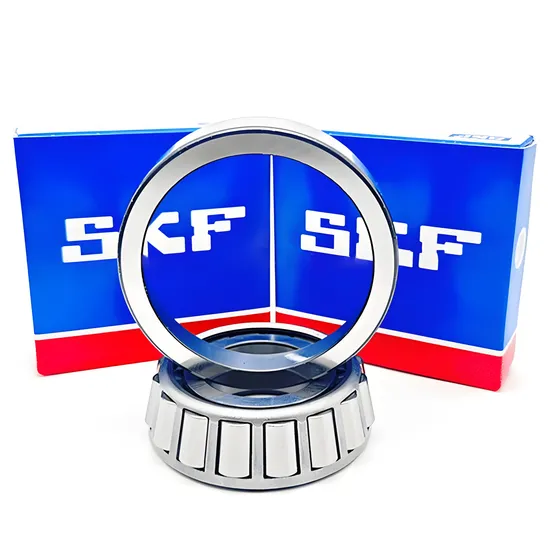
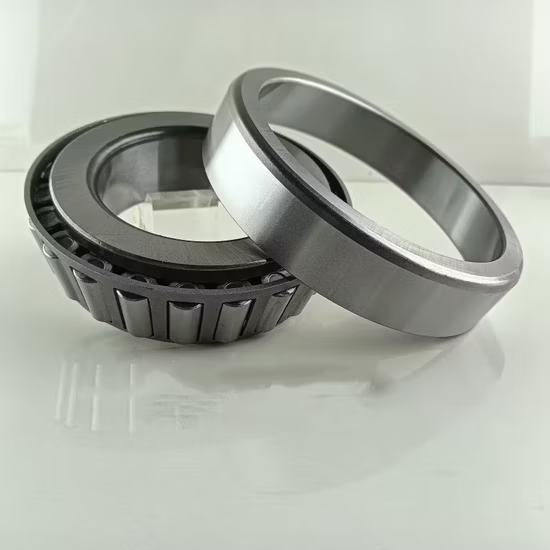
32331 32332 32333 32334 Single Row Tapered Roller Bearings — wide series designs engineered to support heavy combined radial and axial loads in mining and industrial gearboxes.
Cross-reference alignment verified — matching base designations, clearance classes, and precision grades simultaneously to prevent thermal binding in heavy machinery.
| Parameter | Value |
|---|---|
| Designation | 32331 32332 32333 32334 |
| Bearing Type | Tapered Roller Bearing |
| Number of Rows | Single Row |
| Precision Class | P4 |
| Material | GCr15 bearing steel |
| Cage Material | Brass, stamped steel, or polyamide options |
| Origin | Germany, Japan, Sweden, Malaysia, or China |
| HS Code | 8482500090 |
| Industry | Typical Applications |
|---|---|
| Mining and Crushing | Jaw crusher pitman shafts, vibrating screen exciter mechanisms |
| Heavy-Duty Gearboxes | Industrial reducer low-speed output shafts, extruder drive trains |
| Material Handling | Bucket wheel reclaimer slewing drives, stacker travel wheels |
| Construction Machinery | Excavator final drive hubs, bulldozer track tensioner idlers |
Matching the bore and outer diameter is only the beginning of a reliable installation.
Procurement teams often source the 32331 32332 32333 32334 tapered roller bearing based solely on the base designation, overlooking critical internal geometry and clearance requirements. In high-temperature environments like mining crushers or industrial reducers, a standard clearance bearing installed where thermal expansion demands a C3 or C4 equivalent will rapidly lose its internal play. This leads to excessive friction, cage deformation, and eventual seizure under heavy combined loads . Relying on basic part numbers without verifying the complete suffix string and precision class is a primary driver of premature downtime in heavy equipment.
Selecting the correct 32331 32332 32333 32334 tapered roller bearing requires a detailed review of the specific load profile and thermal environment. Our engineering team cross-references your OEM equipment numbers against manufacturer catalogs to ensure the internal contact angle and roller profile match the actual radial and axial forces. This prevents the common mismatch where a standard bearing is forced into an application requiring specialized internal geometry to handle severe shock loads.
Equipment operating in mining and material handling faces relentless shock loading and significant temperature fluctuations. These conditions demand careful attention to internal clearance, as thermal expansion from friction and ambient heat can eliminate the necessary operating play. Lubrication effectiveness is constantly challenged by heavy particulate contamination, requiring robust sealing solutions at the housing level since the bearing itself is typically open. Proper mounting practices, including precise adjustment of the internal clearance during assembly, are critical to achieving the expected L10 life under these punishing combined loads .
The "32" prefix in these designations indicates a wide series tapered roller bearing, engineered with larger rollers and a steeper contact angle to accommodate heavier axial loads alongside radial forces. The "3" denotes the specific dimension and contact angle series within the ISO 355 standard, while the final two digits represent the bore diameter code. Achieving P4 precision class ensures significantly tighter dimensional and running accuracy compared to standard P0 grades. This enhanced precision minimizes vibration and heat generation at higher rotational speeds, which is essential for maintaining stability in industrial gearboxes and high-speed material handling drives.
Installing a bearing with inadequate internal clearance in a high-temperature application inevitably leads to thermal binding and catastrophic cage failure. When precision requirements are ignored, the resulting vibration accelerates fatigue across the entire drivetrain, leading to unplanned downtime and extensive collateral damage to shafts and housings. These failures frequently void equipment warranties and incur massive replacement costs far exceeding the initial component price. Adhering to failure analysis frameworks helps identify these root causes before they escalate into systemic breakdowns .
We address the widespread issue of counterfeit bearings with soft inner rings by providing full batch traceability directly from the manufacturer's production facilities. Our cross-referencing process goes beyond basic part numbers, verifying that the clearance class, cage material, and precision grade align perfectly with your specific 32331 32332 32333 32334 tapered roller bearing application. We supply comprehensive documentation, including material test reports and dimensional inspection certificates, ensuring every shipment meets exact OEM specifications. This technical rigor eliminates the guesswork and prevents the field failures commonly caused by improperly matched internal designs.
To ensure optimal selection, please provide your specific operating parameters, including radial and axial loads, rotational speeds, and expected operating temperatures. Supplying the OEM equipment number or existing part number allows our engineering team to perform a comprehensive cross-reference check. This data enables us to verify the required clearance class and confirm the L10 life calculation for your specific application.
Q: How can I verify the authenticity and trace the batch origins of these bearings?
A: Every bearing we supply includes full batch and lot traceability documentation linking it directly to the manufacturer. You can verify authenticity instantly by scanning the provided QR codes using the official brand applications. We also supply Certificates of Conformity and material test reports to ensure complete transparency and guarantee genuine product origins.
Q: Why must clearance and precision be matched during cross-referencing?
A: Matching only the base designation often overlooks critical internal design differences. If a standard clearance is used where thermal expansion requires a C3 equivalent, the bearing will bind and fail prematurely. Similarly, using P0 precision in an application demanding P4 will cause excessive vibration. Comprehensive cross-referencing ensures all parameters align with the actual operating conditions.
Q: What are the operational differences between P0 and P4 precision classes?
A: P4 precision class offers significantly tighter dimensional and running accuracy compared to standard P0 grades. This enhanced precision minimizes vibration, reduces heat generation, and ensures smoother operation at higher speeds. For demanding applications like industrial gearboxes, P4 precision is crucial for maintaining drivetrain stability and extending the overall service life of the machinery.
Q: How do I select the correct cage material for specific operating temperatures?
A: Cage material selection depends heavily on the operating environment. Brass cages offer excellent durability and heat dissipation for heavy-load, high-temperature applications like mining crushers. Stamped steel cages provide high strength for general industrial use, while polyamide options are suitable for quieter, high-speed operations where friction reduction is prioritized. We help match the cage to your specific thermal and load profile.
Q: What mounting practices are recommended for large tapered roller bearings?
A: Proper mounting requires precise control over internal clearance adjustment to accommodate thermal expansion during operation. We recommend using induction heating for the inner rings, strictly monitoring temperatures to prevent any loss of the P4 precision class tolerances. Maintaining a clean assembly environment and using appropriate lifting tools for these large-diameter wide series components is essential to prevent installation damage.
Our 5-step process ensures every order is engineered, validated, and supported for optimal performance.
Technical needs assessment
Custom specifications
Free samples for $50k+
Pre-shipment inspection
On-site & predictive
Our certified engineers respond within 24 hours with detailed technical specifications, pricing, and lead time information.