01
Consultation
Technical needs assessment

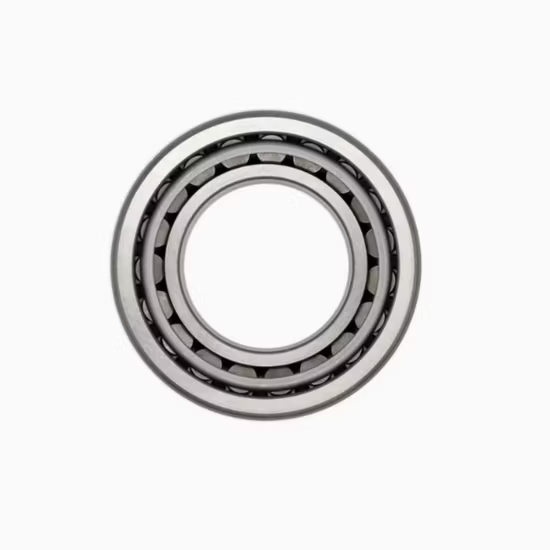


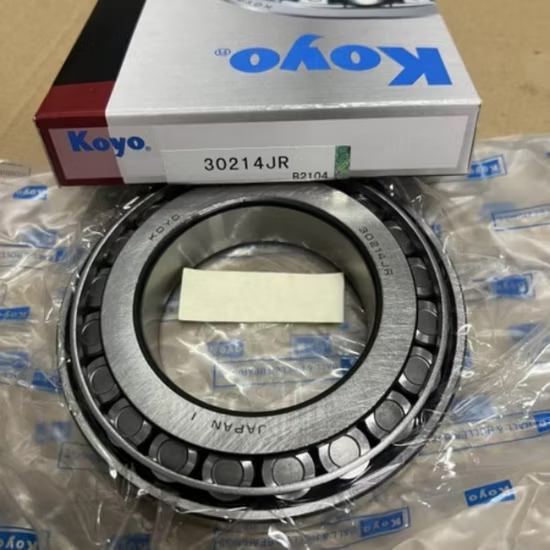

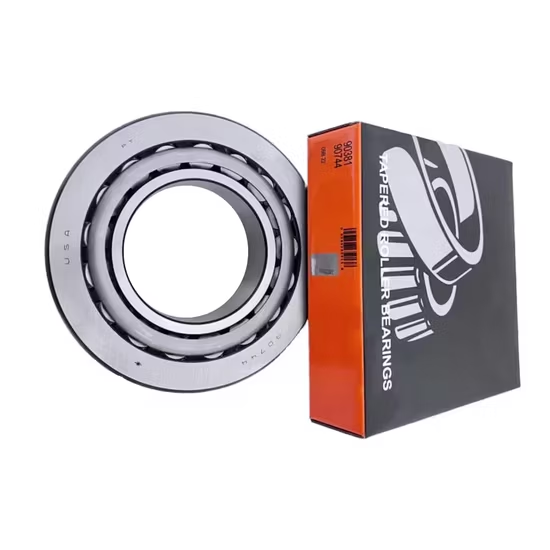
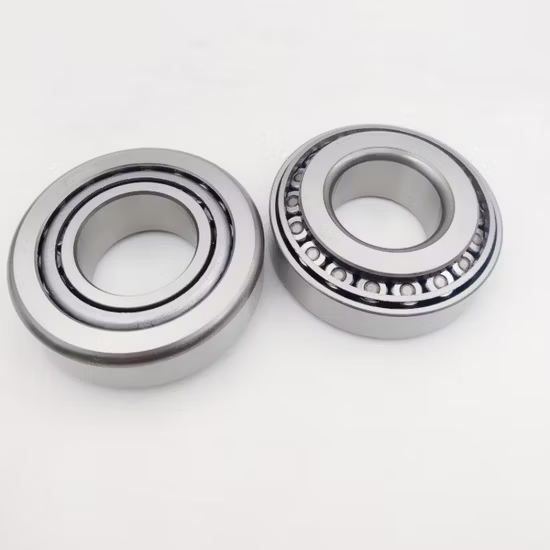
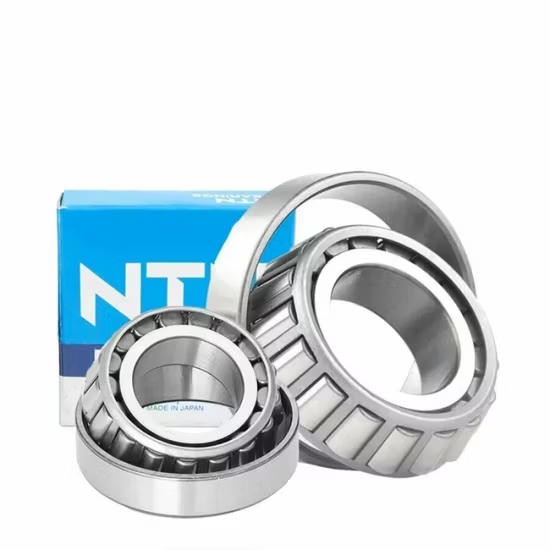
320/32X 320/32XW3-1 34W/51W Tapered Roller Bearing P4 32 mm bore — precision-ground GCr15 steel construction for industrial gearboxes, machinery equipment, and heavy vehicle repair under demanding radial and axial loads.
Three-point cross-reference alignment — verifying base numbers, internal design variants like X or W3, and cage materials to prevent catastrophic field binding.
| Parameter | Value |
|---|---|
| Designation | 320/32X 320/32XW3-1 34W/51W |
| Bearing Type | Tapered Roller Bearing |
| Bore Diameter (d) | 32 mm |
| Precision Class | P4 |
| Material | GCr15 bearing steel |
| Cage Material Options | Pressed steel, brass, or polyamide variants |
| Origin | Germany, Japan, Sweden, Malaysia, or China |
Note: Suffixes X, W3-1, and 34W/51W denote specific internal design or component variations that require manufacturer catalog confirmation prior to installation.
| Industry | Typical Applications |
|---|---|
| Industrial Gearboxes | Heavy-duty reduction gear shafts and pinion supports |
| Machinery Equipment | Vibrating screens and cone crusher main shafts |
| Automotive Repair | Heavy vehicle wheel hubs and differential assemblies |
A matching base designation does not guarantee a functional replacement.
Procurement teams frequently source replacement parts by matching the core 320/32 dimension series, only to face rapid field failures. I have investigated numerous breakdowns across Latin American mining and transport sectors where ignoring specific internal design suffixes resulted in severe cage fractures. When a standard replacement is forced into an application requiring specialized width tolerances or specific lubrication groove profiles, the resulting thermal binding destroys the assembly. Relying solely on the basic model number without validating the exact suffix configuration is a primary driver of unplanned downtime in重载工况 .
Securing the correct 320/32X 320/32XW3-1 34W/51W tapered roller bearing requires looking past the catalog cover. Our technical review process dissects the exact load vectors and operational speeds of your gearboxes or heavy vehicle hubs. By confirming the precise internal geometry and cage design required for your specific machinery, we ensure the supplied units handle the combined radial and axial forces without premature degradation.
Heavy machinery environments subject taper roller bearings to intense shock loads and severe contamination. In applications like crushing equipment or off-highway vehicle axles, fluctuating temperatures drastically alter internal clearance, making the correct initial clearance class vital to prevent operational seizure. Furthermore, abrasive dust ingress demands rigorous sealing solutions or specialized cage materials that maintain structural integrity under high vibration. Proper lubrication intervals and the correct grease viscosity are equally critical to dissipate friction heat and protect the GCr15 raceways .
Achieving P4 precision in this size segment ensures exceptionally tight control over dimensional and running accuracy, which is crucial for minimizing vibration in high-speed gear shafts. The use of GCr15 bearing steel provides the necessary contact fatigue strength to withstand repetitive heavy loading. Depending on the specific operational demands, buyers can select from pressed steel, brass, or polyamide cage options. While pressed steel cages offer robust performance in standard conditions, brass cages are often specified for high-vibration environments, and polyamide variants reduce friction in specific speed ranges.
Installing a bearing with an incorrect width deviation or incompatible internal geometry inevitably leads to catastrophic damage. Misaligned load zones cause localized stress concentrations, rapidly accelerating spalling and flaking on the raceways. This premature failure not only destroys the bearing but frequently scores the shaft and housing, leading to extensive machining repairs. Such avoidable breakdowns result in severe production losses and completely void any equipment warranty .
We eliminate the guesswork in multi-brand sourcing by enforcing strict cross-reference protocols. For designations with complex suffixes like W3-1 or 34W/51W, we verify the internal design variants rather than just shipping a basic dimension match. Our inventory provides full batch traceability, allowing you to confirm the origin and authenticity of every unit. Furthermore, our application-based selection review ensures the chosen cage material and clearance class perfectly align with your specific thermal and load conditions, preventing the costly mismatches that plague standard distributors.
To ensure optimal performance, please provide your specific radial and axial load calculations, operating speeds, and thermal profiles for a comprehensive L10 life review. If you are replacing an existing unit, sharing the exact OEM equipment number allows our engineering team to perform a precise cross-reference check. Supplying these operational parameters guarantees that the selected internal geometry and clearance class perfectly match your application requirements.
Q: Why can't I interchange bearings with the same base number but different suffixes?
A: Base numbers only define the outer envelope dimensions. Suffixes dictate critical internal geometry, width tolerances, and cage designs. Installing a unit without the correct suffix configuration causes improper load distribution and thermal binding, leading to rapid field failure under heavy operational stresses.
Q: What does P4 precision mean for this specific bearing size?
A: P4 precision ensures exceptionally tight control over dimensional and running accuracy. In applications like industrial gearboxes, this strict tolerance minimizes vibration and noise, ensuring smoother shaft rotation and significantly extending the operational lifespan of the surrounding mechanical components.
Q: How do I verify the exact dimensions for unverified suffixes like 34W/51W?
A: These designations often indicate specific inch-series components or proprietary internal variations. You must consult the original equipment manufacturer's catalog or provide the assembly drawing to our technical team so we can confirm the exact dimensional requirements before procurement.
Q: Which cage material is best for high-vibration crushing equipment?
A: Brass cages are generally preferred in high-vibration and high-shock environments due to their superior structural integrity and resistance to fragmentation. Pressed steel cages suit standard operations, while polyamide cages are selected for specific friction-reduction requirements.
Q: How can I identify counterfeit bearings with cloned QR codes?
A: Counterfeiters often replicate basic visual markers. We provide units with batch traceability that must be verified using the brand's official mobile application. This digital check confirms the manufacturing origin and authenticates the specific lot number against the factory database.
Our 5-step process ensures every order is engineered, validated, and supported for optimal performance.
Technical needs assessment
Custom specifications
Free samples for $50k+
Pre-shipment inspection
On-site & predictive
Our certified engineers respond within 24 hours with detailed technical specifications, pricing, and lead time information.