01
Consultation
Technical needs assessment

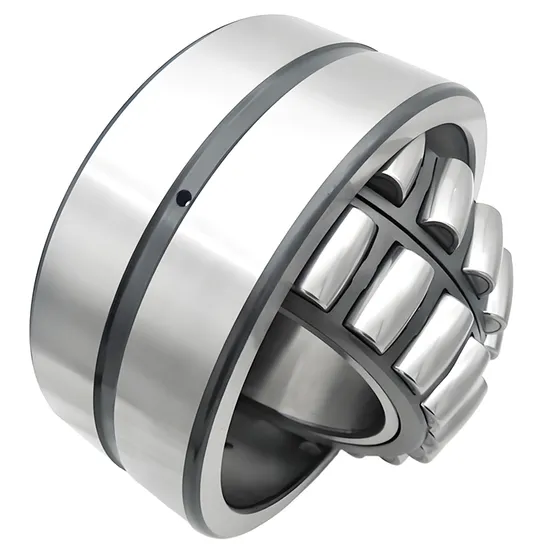
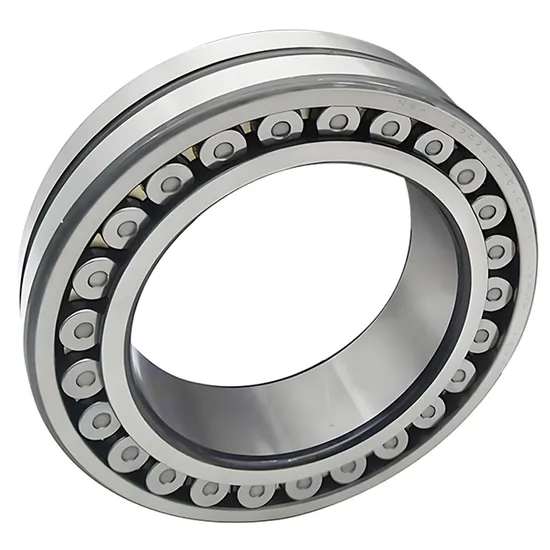
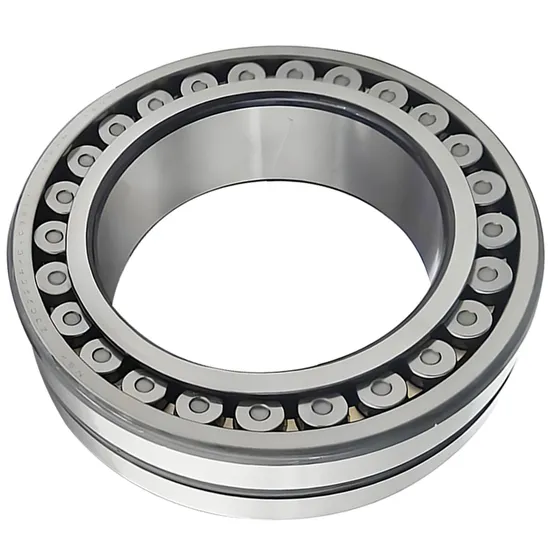
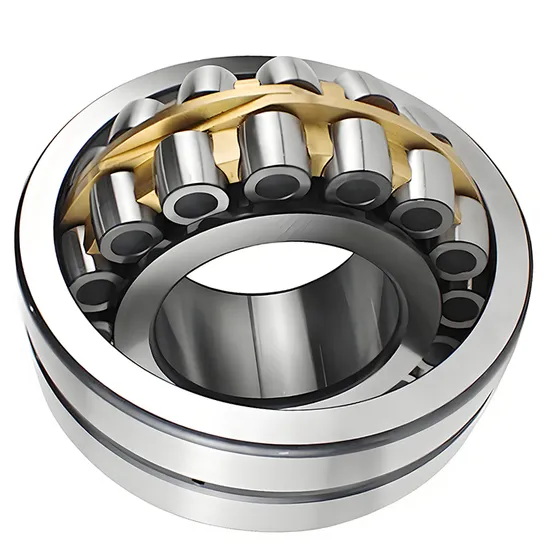
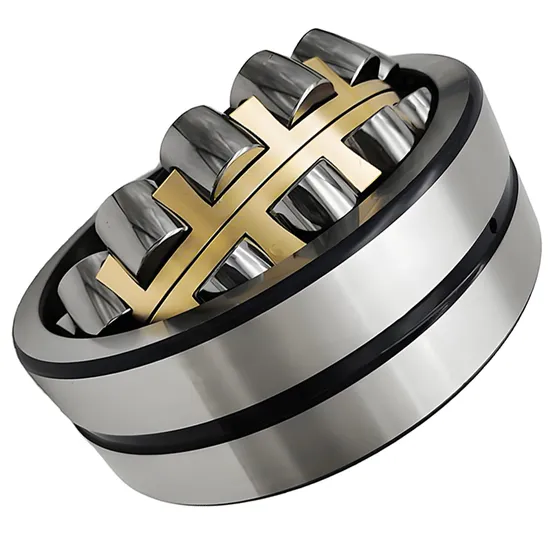
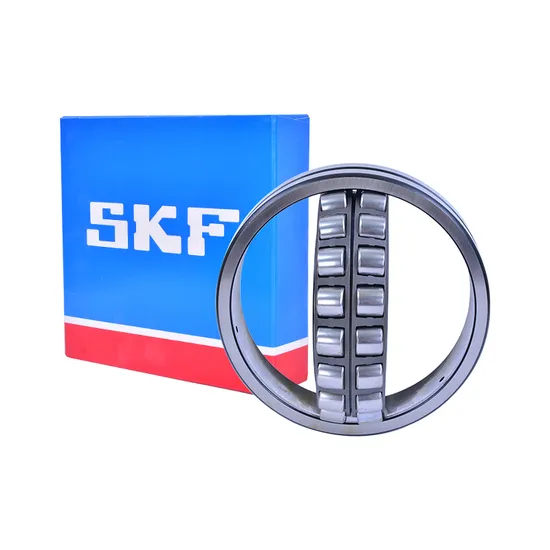
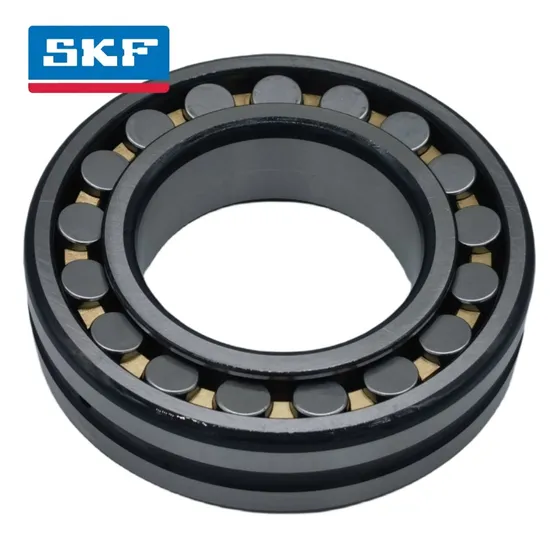
22232 22234 22236 Spherical Roller Bearings — These base designations require exact suffix confirmation for internal clearance and cage materials to prevent thermal binding in high-vibration environments.
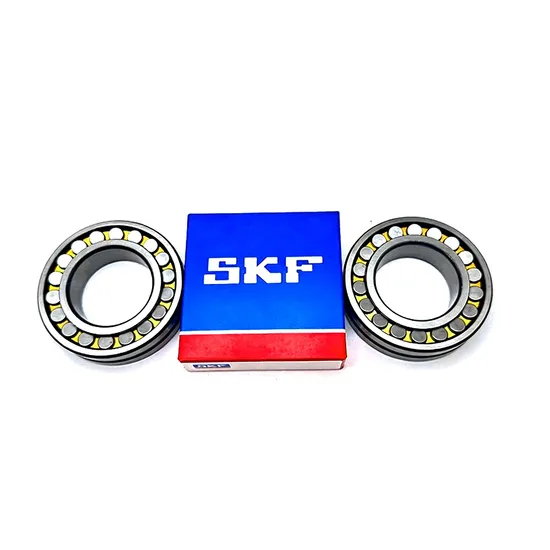
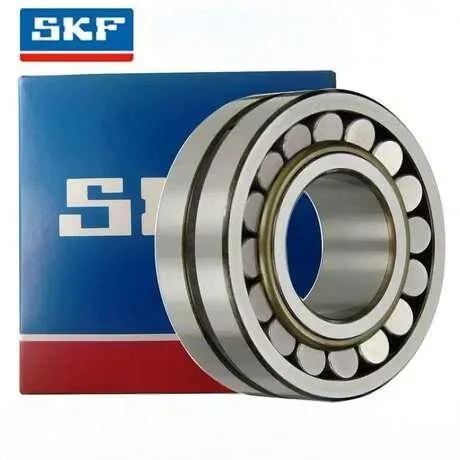
Verified via official apps — Every 22232 22234 22236 spherical roller bearing we supply includes scannable QR codes linked directly to the manufacturer's authentication database.
| Parameter | Value |
|---|---|
| Designation | 22232 22234 22236 |
| Bearing Type | Spherical Roller Bearing |
| Origin | Germany / Japan / Sweden / Malaysia / China |
| HS Code | 8482500090 |
| Service | OEM |
Note: The base designations 22232, 22234, and 22236 do not include internal clearance, cage material, or precision suffixes. Specific suffixes must be confirmed based on operational requirements.
| Industry | Typical Applications |
|---|---|
| Mining and Quarrying | Vibrating screen exciter mechanisms, jaw crusher eccentric shafts |
| Steel and Metallurgy | Continuous caster roll segments, rolling mill guide rolls |
| Pulp and Paper | Paper machine dryer cylinder journals, press roll bearings |
Base numbers alone cannot survive high-frequency excitation.
Sourcing a 22232 22234 22236 spherical roller bearing based solely on the basic dimension series is a frequent trap in heavy machinery procurement. I have seen entire screening decks shut down in remote mining sites because the supplied units lacked the necessary internal clearance and machined brass cages required for high-vibration environments. When standard clearance units are forced into vibrating applications, thermal expansion quickly eliminates the internal gap, leading to severe binding and catastrophic cage failure .
Selecting the correct 22232 22234 22236 spherical roller bearing requires looking past the basic bore and outside diameter. Our technical team reviews your specific exciter forces and operating temperatures to mandate the correct internal clearance class and heavy-duty cage design. This application-based selection review ensures the internal geometry can handle the intense radial loads and orbital vibrations without premature fatigue.
Vibrating screens subject bearings to extreme cyclic loading and continuous orbital motion, which generates significant internal heat. If the internal clearance is not adequately expanded to accommodate this thermal growth, the rolling elements will skid and bind. Furthermore, the intense vibration demands a robust cage material, typically a machined brass design, to withstand the inertia forces that would quickly fracture standard pressed steel cages. Dust and slurry ingress also necessitate careful consideration of seal types or external housing labyrinth designs to protect the lubricant .
The numbers 22232, 22234, and 22236 define the dimension series and bore sizes, but they leave the most critical survival traits undefined. For vibrating applications, specifying a C3 or C4 internal clearance is often mandatory to prevent thermal seizure. The cage material must also be explicitly defined; a machined brass cage is generally required to endure the high accelerations of an exciter mechanism. Precision classes and specific internal design modifications must be verified against the original equipment manufacturer's exact specifications to ensure the replacement unit handles the dynamic loads correctly.
Installing a standard clearance bearing in a high-temperature vibrating application inevitably leads to unplanned downtime. As the inner ring expands faster than the outer ring during operation, the internal clearance vanishes, causing extreme friction and heat generation. This thermal runaway destroys the cage and scoring the raceways long before the calculated L10 life is reached. The resulting production halt and emergency freight costs for replacement parts far exceed the initial savings of buying an off-the-shelf, incorrectly specified unit .
Counterfeit bearings with soft inner rings and cloned packaging are prevalent in the mining supply chain, which is why we enforce strict batch traceability for every order. We provide authorized multi-brand coverage, allowing you to consolidate your SKF, FAG, NSK, NTN, and TIMKEN requirements into a single, verified shipment. Our cross-reference process aligns not just the base number, but the exact clearance, cage, and precision suffixes required for your specific equipment. Every unit is backed by comprehensive documentation, ensuring you receive genuine components that meet the original design intent.
To ensure the supplied units perfectly match your equipment, provide the specific radial and axial loads, operating temperatures, and vibration frequencies. Sharing the original equipment manufacturer's part number allows our engineering team to perform a precise cross-reference check, verifying that all internal design suffixes align with your application. This technical review guarantees the selected configuration will deliver reliable service life under your exact operational conditions.
Q: How do I verify the authenticity of the supplied bearings?
A: Every unit we supply features a unique QR code that can be scanned using the official mobile application of the respective brand. This digital verification confirms the manufacturing batch, origin, and authenticity, protecting your operation from the severe risks associated with counterfeit components featuring substandard metallurgy and cloned packaging.
Q: Why is cross-referencing more than just the base number critical?
A: Matching only the base dimension series ignores vital internal specifications. A direct replacement must align the internal clearance, cage material, and precision class to survive the specific operational stresses. Failing to verify these suffixes often results in thermal binding or cage fracture, especially in demanding applications like vibrating screens.
Q: What causes premature failure in vibrating screen applications?
A: High-frequency orbital motion generates substantial internal heat. If the bearing lacks the appropriate expanded internal clearance, thermal growth eliminates the gap, leading to severe skidding and seizure. Additionally, standard cages often fail under high acceleration, making the correct cage material specification absolutely essential for survival.
Q: How do I select the correct internal clearance for my equipment?
A: Internal clearance must be chosen based on the interference fit of the shaft and the expected operating temperature differential between the inner and outer rings. Our technical team reviews your specific thermal and mounting parameters to recommend the optimal clearance class, preventing thermal binding during continuous operation.
Q: What documentation proves the origin and conformity of the bearings?
A: We provide a comprehensive documentation package that includes a Certificate of Conformity, material test reports, and dimensional inspection records. These documents, combined with country-of-origin certificates and batch traceability data, ensure full compliance with your procurement standards and international shipping regulations.
Our 5-step process ensures every order is engineered, validated, and supported for optimal performance.
Technical needs assessment
Custom specifications
Free samples for $50k+
Pre-shipment inspection
On-site & predictive
Our certified engineers respond within 24 hours with detailed technical specifications, pricing, and lead time information.