01
Consultation
Technical needs assessment


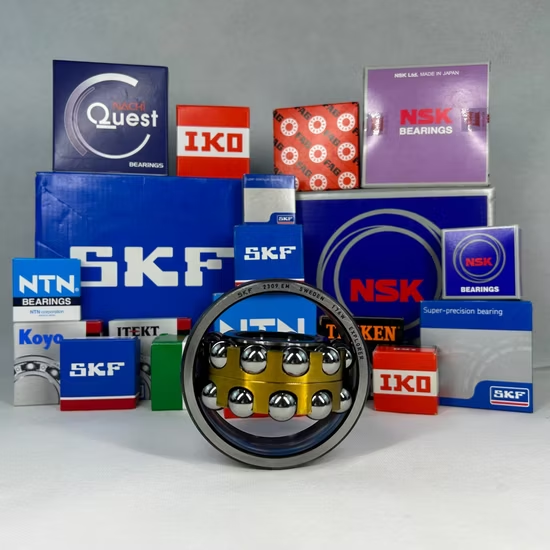
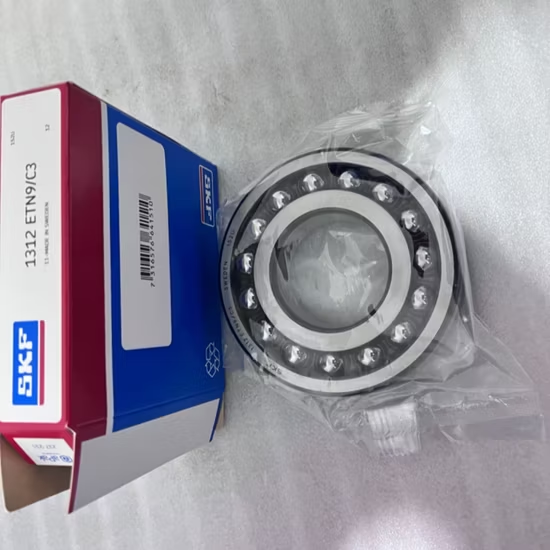
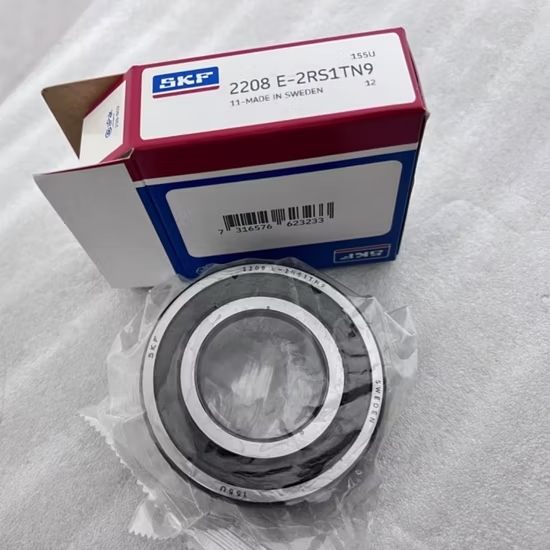
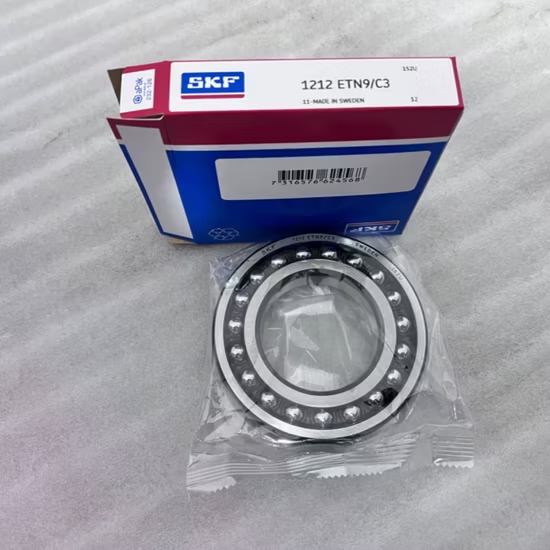
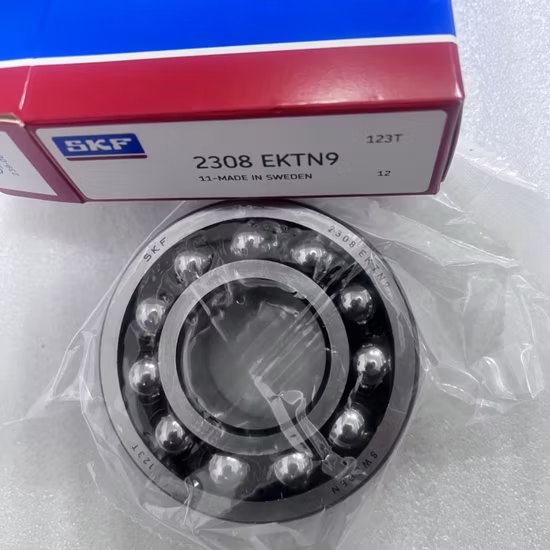
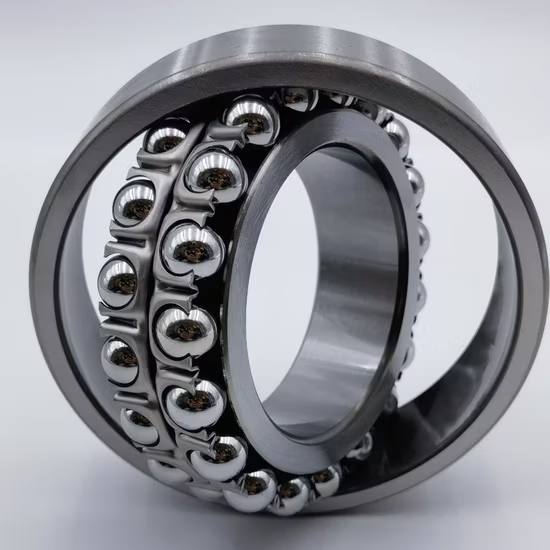
2200 2201 2202 2203 2204 2205 2206 2207 2208 Self-Aligning Ball Bearings — dimension series 02 design inherently accommodates static misalignment and shaft deflections across 10 mm to 40 mm bore diameters.
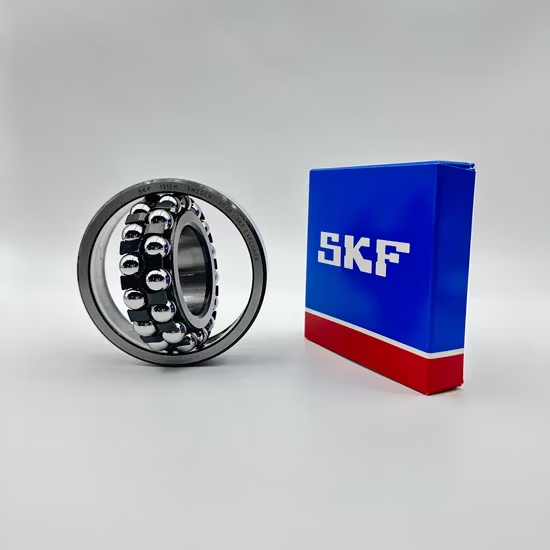
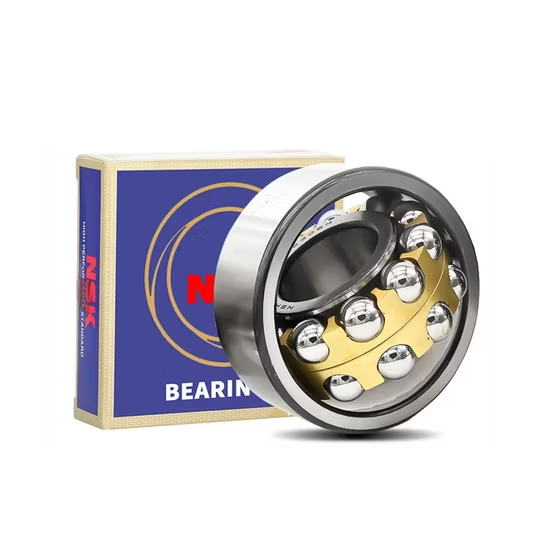
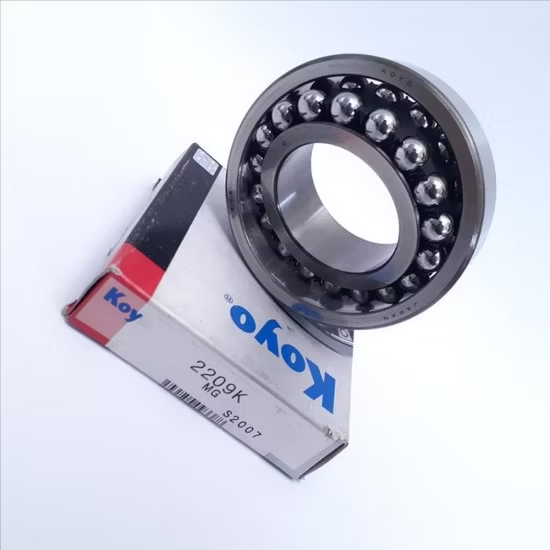
Multi-Brand Authorized Coverage — Procure the complete 2200 to 2208 series from a single verified source, eliminating the friction of coordinating multiple suppliers for mixed-brand MRO requirements.
| Parameter | Value |
|---|---|
| Designation | 2200 2201 2202 2203 2204 2205 2206 2207 2208 |
| Bearing Type | Self-Aligning Ball Bearing |
| Dimension Series | 02 (Width and Diameter) |
| Bore Diameter (d) | 10 mm to 40 mm |
| Seal or Shield Type | Open, Rubber Seals, Iron Seals |
| Origin Options | Germany, Japan, Sweden, Malaysia, China |
| Customization | OEM Services Available |
| HS Code | 848210 |
| Industry | Typical Applications |
|---|---|
| Electric Motors | Cooling fan assemblies and auxiliary drive shafts experiencing minor deflection |
| Industrial Gearboxes | Intermediate shaft supports where housing bore alignment is difficult to guarantee |
| Agricultural Machinery | Conveyor drive rollers and harvesting equipment linkages exposed to dust and debris |
| Textile Machines | Spindle supports and yarn guide mechanisms requiring low-friction self-alignment |
Thermal expansion rapidly eliminates internal clearance when standard CN class is installed in elevated-temperature environments.
During a critical maintenance project in Dubai, a batch of 2205 self-aligning ball bearings seized catastrophically inside a high-temperature industrial fan. The root cause was not a material defect, but a cross-reference error: the procurement team matched the base designation perfectly but overlooked the internal clearance suffix. Standard CN clearance was installed where C3 or C4 was strictly required to accommodate thermal shaft expansion . When sourcing any 2200 2201 2202 2203 2204 2205 2206 2207 2208 self aligning ball bearing, ignoring these critical suffixes transforms a routine replacement into an unplanned downtime event.
The 22 series dimension design provides inherent self-alignment to accommodate static misalignment, but the seal configuration dictates survival in harsh environments. Open variants allow for custom lubrication intervals in clean gearboxes, while rubber seals provide superior exclusion of fine agricultural dust at the cost of slightly higher friction. Iron shields offer a balanced compromise for electric motors, keeping out larger particulates without generating excessive thermal buildup during continuous high-speed operation.
Industrial gearboxes and textile machines frequently subject shafts to dynamic deflections and fluctuating thermal loads. If the internal clearance is too tight, the rolling elements bind against the raceways as the shaft expands, generating extreme friction heat. Conversely, excessive clearance in precision spindle applications introduces unacceptable vibration. Selecting the correct clearance class and matching the cage material to the specific vibration profile ensures the bearing accommodates misalignment without sacrificing operational stability .
The "22" prefix identifies the dimension series 02, establishing a specific width and outside diameter profile optimized for moderate radial loads and misalignment compensation. The subsequent two digits, ranging from 00 to 08, dictate the bore diameter from 10 mm to 40 mm. Beyond these base numbers, the seal type—whether open, rubber-sealed, or iron-shielded—fundamentally alters the friction characteristics and maintenance requirements. Verifying these exact suffix combinations prevents the installation of a shielded bearing in an application that demands the heat dissipation of an open design.
Installing a bearing with incorrect internal clearance or incompatible seal friction leads to premature cage failure and raceway spalling. According to failure mode classifications outlined in ISO 15243, thermal binding caused by inadequate clearance frequently manifests as severe surface smearing and eventual seizure . These failures trigger catastrophic damage to adjacent gearbox components, void equipment warranties, and force expensive emergency shutdowns that far exceed the initial component cost.
Our distribution network covers all major international brands, allowing you to consolidate mixed-brand requirements into a single, fully traceable order. We systematically verify cross-references against clearance, cage material, and seal suffixes, ensuring a replacement 2205 matches the exact thermal and friction requirements of your specific equipment. Every shipment includes batch traceability to the manufacturer, verified through official brand applications, eliminating the risk of counterfeit components with soft inner rings. Our technical team reviews your application parameters to confirm the selected configuration handles the actual load, speed, and temperature conditions.
To ensure precise application matching, provide your operational parameters including radial and axial loads, rotational speeds, and ambient temperature ranges. Sharing the specific OEM equipment numbers allows our engineering team to perform a comprehensive cross-reference review, verifying that the clearance and seal suffixes align perfectly with your machinery's original design intent. This technical validation guarantees the proposed configuration delivers reliable service life under your exact working conditions.
Q: How do I verify the authenticity of 22xx series bearings using official apps?
A: Every genuine bearing we supply features a unique traceability code. By scanning this QR code using the specific manufacturer's official mobile application, you can instantly verify the production batch, confirm the exact suffix configuration, and ensure the component is not a counterfeit with compromised metallurgical properties.
Q: What cross-reference checks are critical beyond the base 2200-2208 designation?
A: Matching the base number is insufficient. You must verify the internal clearance class to accommodate thermal expansion, confirm the seal type matches the contamination level, and ensure the cage material suits the vibration profile. Overlooking these suffixes frequently causes premature thermal binding or cage failure in the field.
Q: When should I choose rubber seals versus iron shields for these bearings?
A: Rubber seals provide superior exclusion of fine dust and moisture, making them ideal for agricultural or outdoor conveyor applications, though they generate slightly more friction. Iron shields offer excellent protection against larger particulates in electric motors while maintaining lower friction and better heat dissipation during continuous high-speed operation.
Q: How does the self-aligning feature accommodate shaft misalignment?
A: The spherical outer ring raceway allows the inner ring and ball assembly to pivot slightly within the outer ring. This design compensates for static housing misalignment and dynamic shaft deflections common in gearboxes and textile machines, preventing edge loading and reducing stress on the rolling elements.
Our 5-step process ensures every order is engineered, validated, and supported for optimal performance.
Technical needs assessment
Custom specifications
Free samples for $50k+
Pre-shipment inspection
On-site & predictive
Our certified engineers respond within 24 hours with detailed technical specifications, pricing, and lead time information.