01
Consultation
Technical needs assessment

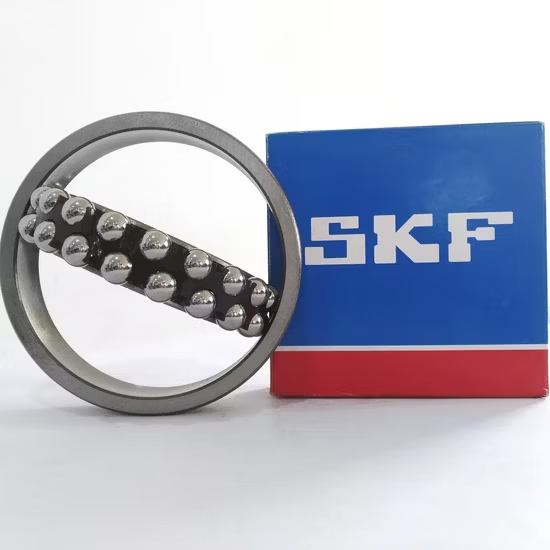
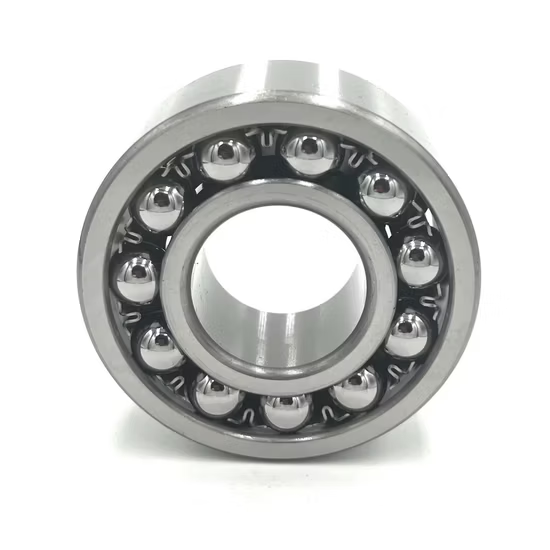
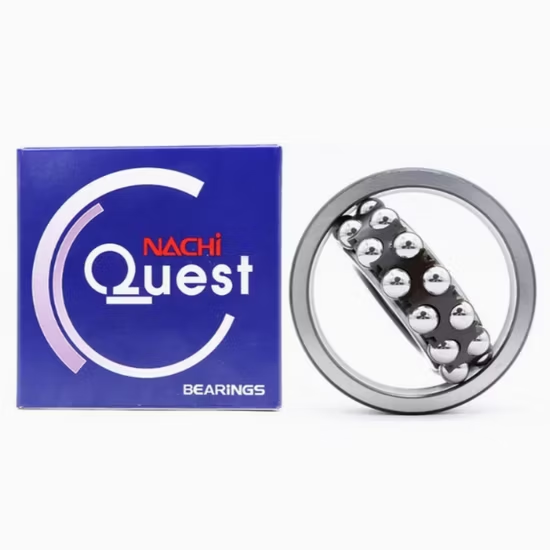
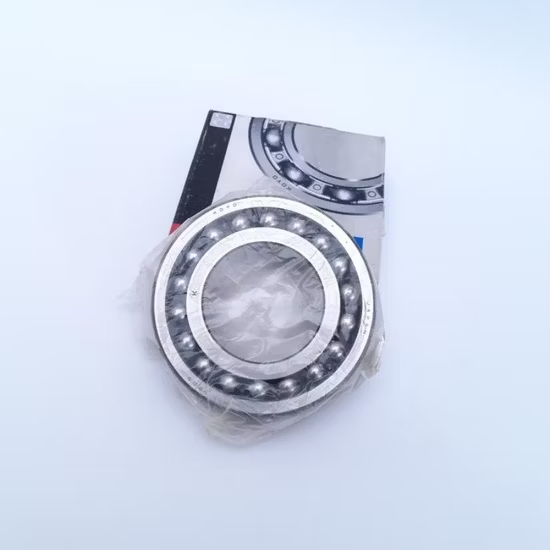
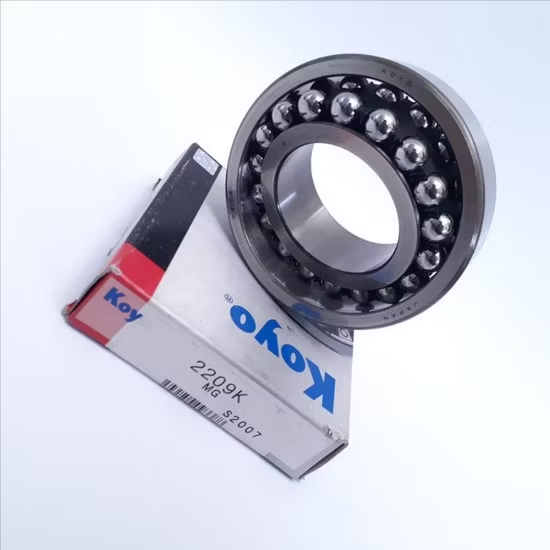

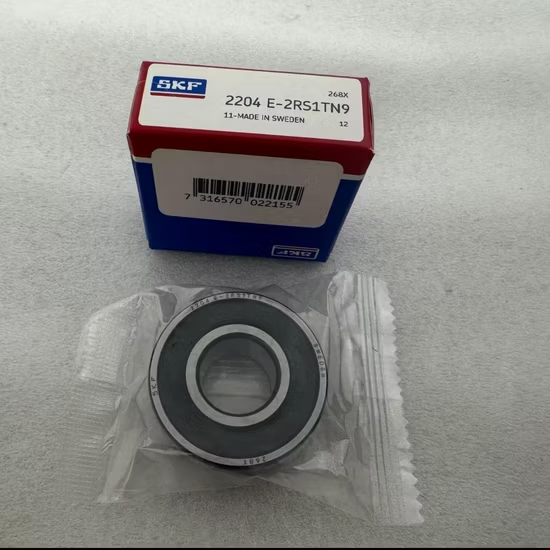
1306-1307-1308-1309-1310 Double Row Self-Aligning Ball Bearings with CN Clearance and P0 Precision — featuring a double row design that accommodates static shaft misalignment. Available in open, rubber sealed, and iron shielded configurations with standard pressed steel cages to match specific contamination requirements.
Original Batch Traceability — Every 1306 through 1310 unit ships with verifiable manufacturer lot documentation.
| Parameter | Value |
|---|---|
| Designation | 1306-1307-1308-1309-1310 |
| Bearing Type | Self-Aligning Ball Bearing |
| Number of Rows | Double Row |
| Seal or Shield Type | Open, Rubber Seals, Iron Seals |
| Clearance Class | Standard (CN) |
| Precision Class | Normal (P0) |
| Cage Material | Pressed Steel |
| Origin | Germany, Japan, Sweden, Malaysia, China |
| HS Code | 848210 |
| Industry | Typical Applications |
|---|---|
| Agricultural Machinery | Combine harvester sieves and grain auger drive shafts |
| Material Handling | Belt conveyor pulley bearings and bucket elevator tail shafts |
| Textile Machines | Spinning frame drafting rollers and loom let-off mechanisms |
When sourcing a 1306 1307 1308 1309 1310 self-aligning ball bearing, buyers often assume the double-row spherical raceway automatically prevents all friction issues. Misalignment is only half the battle; thermal expansion dictates the actual survival of the assembly.
I once investigated a catastrophic停机 at a mining site where a conveyor drive seized completely. The visual inspection showed perfect shaft alignment, yet the inner ring had welded itself to the journal. The root cause was a standard CN clearance installed in an environment that demanded C3 to handle the heat generated by continuous operation. Counterfeit units with soft inner rings only accelerate this thermal binding, turning a minor temperature spike into a melted shaft .
The primary advantage of this series lies in its ability to accommodate static misalignment between the shaft and housing, significantly reducing edge loading on the rolling elements. However, a 1306 1307 1308 1309 1310 self-aligning ball bearing must be matched to the specific contamination level of the site. We review the exact sealing requirements—whether open for external lubrication or sealed for maintenance-free operation—ensuring the internal geometry survives the actual field conditions rather than just the catalog specifications.
Agricultural and material handling environments subject these components to heavy particulate ingress and fluctuating ambient temperatures. Dust from grain processing or cement transfer easily penetrates inadequate seals, creating an abrasive paste that destroys the raceway. Furthermore, outdoor conveyor systems experience significant thermal cycling, meaning the internal clearance must accommodate both the cold morning start-up and the peak operating heat without inducing preload or excessive looseness .
The base designation for this series implies a double-row self-aligning design with a standard pressed steel cage, which offers an optimal balance of strength and speed capability for general industrial gearboxes. The default CN clearance is suitable for standard temperature ranges, but applications involving elevated heat require a shift to C3 clearance to prevent internal binding during thermal expansion. While the standard P0 precision is adequate for most conveying and agricultural drives, the absence of specific seal suffixes in the base number means the exact sealing configuration must be explicitly defined during the procurement phase to match the housing design.
Selecting the wrong internal clearance or accepting a counterfeit unit with out-of-tolerance dimensions leads directly to unplanned downtime and catastrophic damage to surrounding machinery. When a bearing runs hot due to inadequate clearance, the cage degrades rapidly, often resulting in secondary damage to the shaft and housing that voids equipment warranties. Following the failure classifications outlined in international standards, these thermally induced seizures are entirely preventable with correct initial specification and authentic sourcing .
We maintain authorized coverage across all major brands, allowing mixed-brand orders for complex plant overhauls without juggling multiple suppliers. Every batch we supply includes full traceability to the manufacturer, verified via official QR codes to eliminate the risk of cloned packaging. Our cross-reference process checks clearance, cage material, and seal types—not just the base number—preventing the exact thermal binding issues I witnessed in the field. Furthermore, we provide application-based selection reviews to ensure the chosen configuration handles your specific load and temperature profile.
To ensure accurate selection and cross-referencing, please provide your specific operating parameters, including radial and axial loads, operating speeds, and expected temperature ranges. Sharing the OEM equipment number or the exact housing dimensions allows our engineering team to verify the required clearance class and sealing configuration. This technical review guarantees the proposed solution aligns perfectly with your maintenance intervals and environmental conditions.
Q: How do I verify the authenticity of these self-aligning ball bearings?
A: We supply units with verifiable batch traceability. You can scan the QR codes on the packaging using the official mobile applications provided by the respective bearing manufacturers. This confirms the origin and ensures you are installing genuine components with correct internal geometry, avoiding the severe risks associated with soft inner rings found in counterfeit products.
Q: What cross-reference checks are critical beyond the base 13xx designation?
A: Matching the base number is insufficient. We verify the clearance class to ensure thermal expansion is accommodated, check the cage material for vibration resistance, and confirm the exact seal type matches your housing. This comprehensive alignment prevents the premature failures that occur when standard CN clearance is mistakenly installed in high-temperature applications requiring C3.
Q: How do I choose between open, rubber sealed, and iron shielded variants?
A: Open designs are ideal when the housing provides external lubrication and sealing. Rubber seals offer superior protection against fine agricultural dust and moisture but generate slightly more friction. Iron shields provide basic contamination resistance with lower friction, making them suitable for cleaner, higher-speed textile or gearbox environments where heavy particulate ingress is not a primary concern.
Q: What is the practical difference between CN and C3 clearance in these applications?
A: Standard CN clearance suits normal operating temperatures and standard fits. C3 clearance provides greater internal space, which is essential when the inner ring runs hotter than the outer ring or when heavy interference fits are used. Using CN in high-heat conveyor drives causes thermal binding, while using C3 in standard conditions can lead to excessive vibration and reduced fatigue life.
Our 5-step process ensures every order is engineered, validated, and supported for optimal performance.
Technical needs assessment
Custom specifications
Free samples for $50k+
Pre-shipment inspection
On-site & predictive
Our certified engineers respond within 24 hours with detailed technical specifications, pricing, and lead time information.