01
Consultation
Technical needs assessment



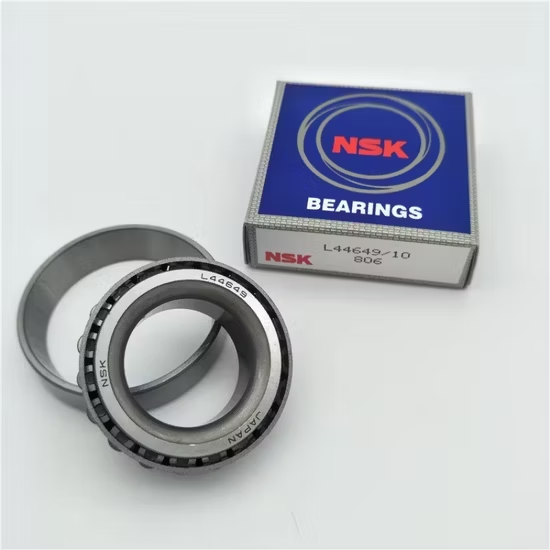
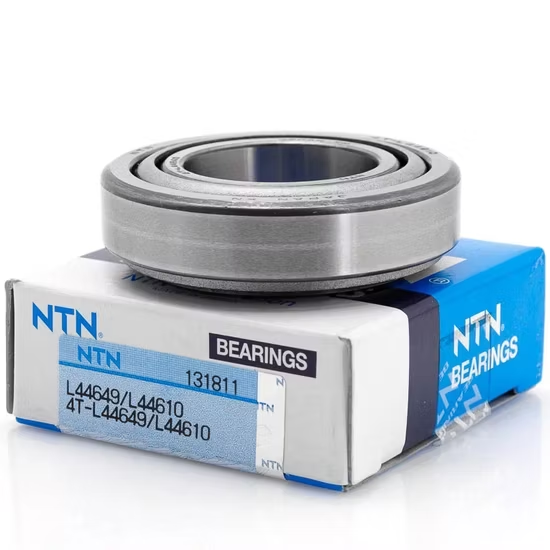
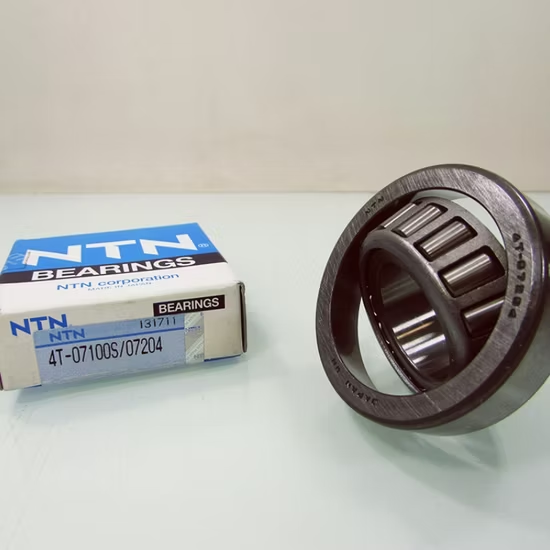

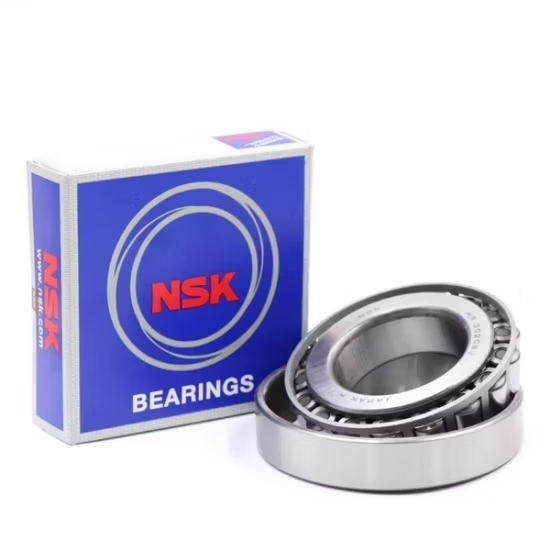
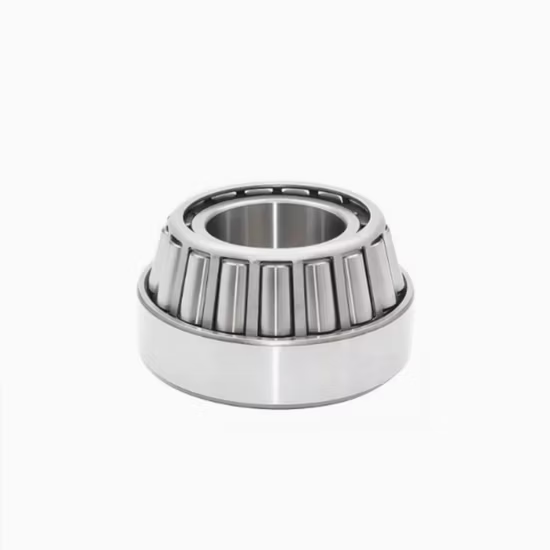
30201 30202 Tapered Roller Bearing — single row GCr15 chrome steel construction optimized for combined radial and axial loads.
Traceable Batch Records — Every 30201 30202 tapered roller bearing ships with verifiable manufacturer lot data for QR authentication.
| Parameter | Value |
|---|---|
| Designation | 30201 30202 |
| Bearing Type | Tapered Roller Bearing |
| Number of Rows | Single Row |
| Precision Class | P4 / P5 |
| Material | GCr15 (Chrome Steel) |
| Cage Material Options | Nylon, Brass, Iron |
| Standards | ISO |
| Origin | Shanghai |
| Industry | Typical Applications |
|---|---|
| Automotive & Heavy Vehicles | Wheel hub assemblies, steering knuckles, truck axle differentials |
| Industrial Power Transmission | Heavy-duty gearbox shaft supports, conveyor drive pulleys |
| Material Handling | Forklift mast rollers, overhead crane trolley wheels |
Base number alignment alone guarantees nothing when thermal expansion is in play.
In the automotive repair sector, it is dangerously common to see standard P0 grade components installed where P5 tolerance is strictly required. I have personally dismantled wheel hubs suffering from chronic noise and premature wear, only to find rough grinding marks on the inner rings of mismatched parts. When a 30201 30202 tapered roller bearing is cross-referenced without verifying the precision suffix, the resulting dimensional deviations cause severe thermal binding under continuous highway speeds.
The single row taper structure is specifically engineered to handle the combined radial and axial forces generated during vehicle cornering and braking. Sourcing the correct 30201 30202 tapered roller bearing ensures the contact angle aligns perfectly with the OEM hub design. Our technical team reviews your specific load profiles to confirm the internal geometry matches the original equipment requirements, preventing edge-loading on the roller ends.
Automotive wheel hubs endure relentless shock loads from road irregularities alongside continuous rotational friction. Elevated operating temperatures demand careful attention to internal clearance; a standard CN clearance will quickly vanish as the hub expands, leading to catastrophic seizure. Proper lubrication intervals and high-quality seals are equally critical to keep abrasive road dust out of the raceways.
The distinction between P4 and P5 precision classes dictates the strictness of dimensional and running accuracy tolerances under ISO standards. Upgrading to P5 ensures significantly tighter control over bore and outside diameter deviations, which is non-negotiable for high-speed hub applications. Furthermore, selecting the right cage material from the available nylon, brass, or iron options allows buyers to optimize for specific vibration levels and operating temperatures, ensuring the cage maintains roller spacing without fatigue failure.
Substituting a bearing based solely on basic dimensions while ignoring internal design variations inevitably leads to unplanned downtime. A mismatched component might physically fit the shaft but will rapidly degrade under operational stress, resulting in catastrophic damage to the surrounding hub housing. Such failures not only void equipment warranties but also trigger expensive secondary repairs that far exceed the initial savings of a cheaper, incorrectly specified part.
We maintain authorized distribution channels across all major international brands, meaning a single purchase order can fulfill mixed-brand requirements without coordinating multiple vendors. Our cross-reference protocol strictly aligns clearance, cage material, and precision suffixes, eliminating the guesswork that causes field failures. Every shipment includes batch traceability to the manufacturer, verified through official brand applications. Additionally, our engineers conduct application-based selection reviews to ensure the chosen bearing withstands your specific speed and temperature parameters.
To ensure the selected component perfectly matches your assembly, please provide the exact radial and axial load figures alongside maximum operating speeds. Sharing the OEM equipment number allows our engineering team to perform a comprehensive cross-reference check against the original factory specifications. We will then return a detailed technical proposal confirming the optimal precision class and cage configuration for your specific application.
Q: Why must cross-referencing include clearance and precision suffixes?
A: Matching only the base designation ignores critical internal geometry. A standard clearance bearing installed in a high-heat hub will thermally bind, while a P0 grade part will cause vibration in a precision spindle. We verify all suffixes to ensure exact operational alignment.
Q: What is the practical difference between P4 and P5 precision classes?
A: P5 offers tighter dimensional and running accuracy tolerances than P4 under ISO standards. This stricter control minimizes vibration and heat generation at high rotational speeds, making P5 essential for demanding automotive wheel hub and high-speed gearbox applications.
Q: How do nylon, brass, and iron cages differ in performance?
A: Nylon cages offer low friction and high-speed capability but have strict temperature limits. Brass cages provide superior durability under high vibration and heavy loads. Iron cages offer a cost-effective balance for standard industrial applications with moderate speed and temperature requirements.
Q: How can I verify the authenticity of the received bearings?
A: Every shipment includes batch traceability documents and QR codes. You can scan these codes using the official mobile applications provided by the bearing manufacturers to instantly verify the production origin and rule out counterfeit products with cloned markings.
Q: What causes thermal binding in tapered roller bearings?
A: Thermal binding occurs when internal clearance is insufficient to accommodate heat-induced expansion during operation. Selecting the correct initial clearance class and ensuring proper mounting adjustment prevents the rollers from skewing and generating destructive friction heat.
Our 5-step process ensures every order is engineered, validated, and supported for optimal performance.
Technical needs assessment
Custom specifications
Free samples for $50k+
Pre-shipment inspection
On-site & predictive
Our certified engineers respond within 24 hours with detailed technical specifications, pricing, and lead time information.