01
Consultation
Technical needs assessment

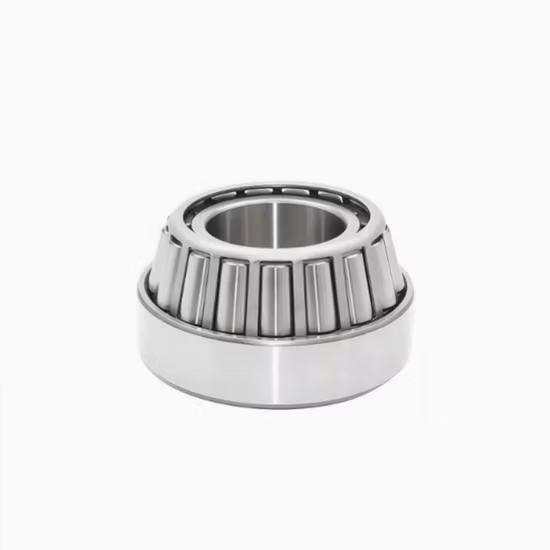
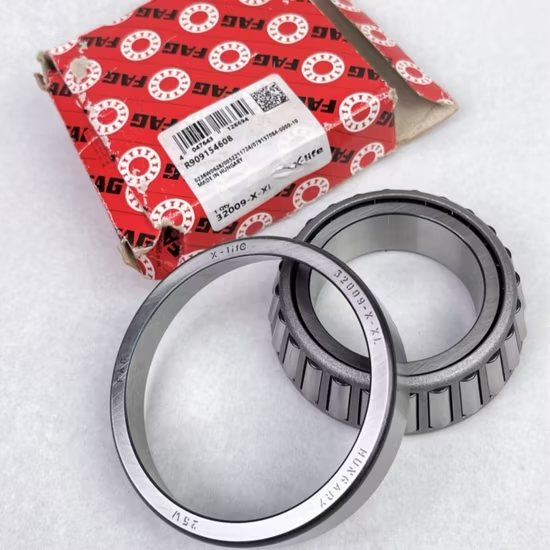
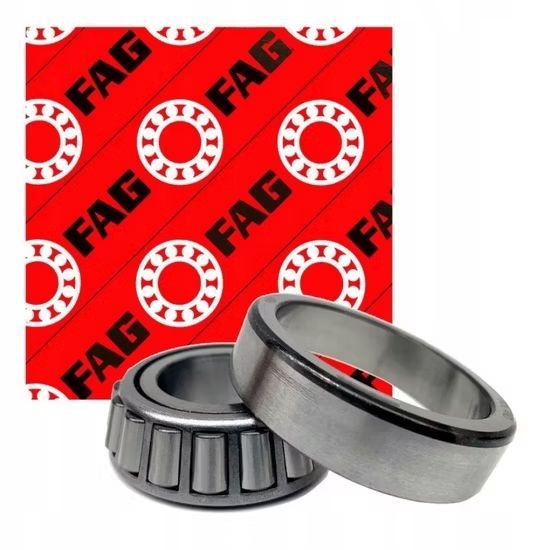
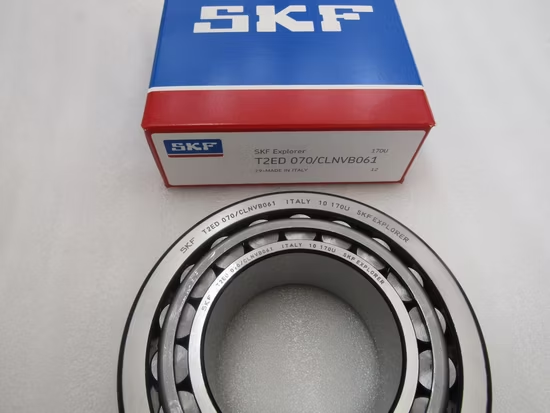
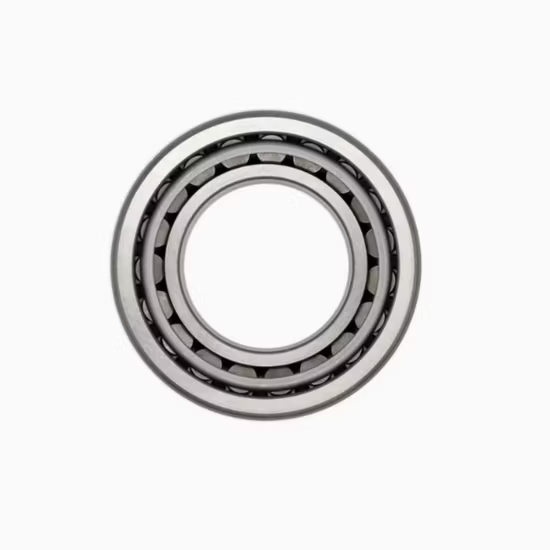
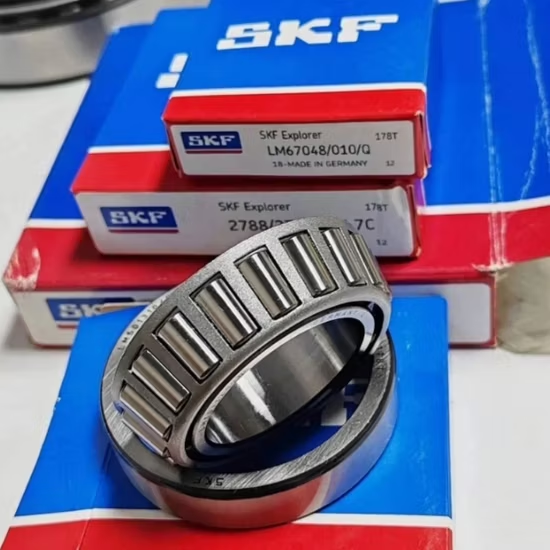
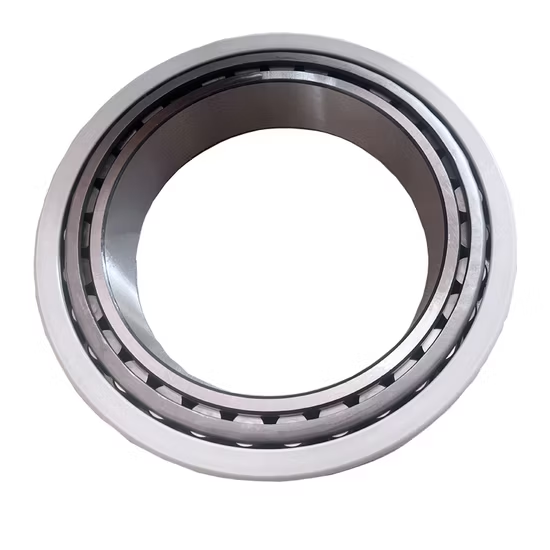
30201 30202 Tapered Roller Bearing P4
Cross-Reference Alignment — We verify base numbers against internal design, clearance, and cage material to prevent field failures.
| Parameter | Value |
|---|---|
| Designation | 30201 30202 |
| Product Type | Tapered Roller Bearing |
| Bearing Type | Tapered Roller Bearing |
| Number of Rows | Single Row |
| Precision Class | P4 |
| Cage Material | Nylon / Brass / Iron options |
| Material | GCr15 |
| Origin | Shanghai |
| Industry | Typical Applications |
|---|---|
| Automotive & Heavy Vehicle | Wheel hub assemblies, truck axle pinion gears |
| Industrial Power Transmission | Helical gear reducers, conveyor drive shafts |
| Marine & Off-Highway | Outboard motor lower units, steering linkages |
Matching the base number while ignoring internal geometry guarantees premature thermal binding.
Procurement teams often approve cross-references based solely on the primary designation, assuming physical dimensions dictate interchangeability. In reality, a 30201 30202 tapered roller bearing installed in an automotive wheel hub requires exact alignment of the roller profile and cage design to handle combined radial and axial loads. When suppliers ship units with mismatched internal clearances or incorrect cage materials, the bearing operates outside its thermal limits. The resulting friction generates excessive heat, degrading t*n roll. This skidding rapidly destroys the raceway surface, leading to catastrophic hub lockup on the highway.
The single-row taper geometry inherently manages the complex thrust and radial vectors present in axle and hub applications. By supplying the 30201 30202 tapered roller bearing with verified P4 precision, we ensure the rolling elements maintain strict dimensional accuracy under heavy cornering loads. Our technical review process checks the cross-reference against the specific OEM equipment number, confirming that the contact angle and roller crown profile match the original design intent. This prevents the edge-loading that typically plagues generic replacements in heavy vehicle repair environments.
Wheel hubs and industrial gearboxes subject bearings to severe thermal cycling and shock loads. As operating temperatures rise, the inner ring expands, altering the internal clearance and demanding precise lubrication flow to prevent metal-to-metal contact. The choice of cage material becomes critical; brass cages offer superior durability under high-vibration shock loads, while nylon variants reduce friction and operate quietly at higher rotational speeds. In environments contaminated with road salt or industrial dust, the seal interface must balance contact friction against particle ingress. Improper mounting practices, such as applying force through the rolling elements rather than the inner ring, permanently indent the raceways before the equipment even starts.
Achieving P4 precision in a tapered roller bearing requires tight control over the bore diameter, outside diameter, and running accuracy, which directly reduces vibration and heat generation in high-speed gear reducers. The GCr15 bearing steel construction provides the necessary core toughness and surface hardness to resist spalling under heavy contact stresses. Depending on the specific application requirements, the cage is available in nylon, brass, or iron variants. Nylon cages minimize weight and friction, brass cages withstand severe shock loads and higher temperatures, and iron cages offer a cost-effective solution for moderate-speed industrial gearboxes. Selecting the correct cage option ensures the bearing survives the specific dynamic environment of the target machinery.
Installing a dimensionally correct but internally mismatched bearing triggers a cascade of mechanical failures. According to ISO 281 principles, improper internal clearance drastically reduces the calculated fatigue life, leading to unplanned downtime that halts entire production lines. In automotive applications, a seized wheel hub poses severe safety liabilities and voids fleet warranties. The cost of replacing a failed bearing is negligible compared to the collateral damage inflicted on the axle shaft, seals, and braking systems.
Generic part numbers are prime targets for counterfeiters who clone outer packaging while installing soft inner rings that fail within weeks. We mitigate this risk by providing full batch traceability to the manufacturer for every 30201 30202 tapered roller bearing shipped. When cross-referencing F15029/L45410 or L45449/L45410 equivalents, our engineers verify the internal geometry and cage specifications, not just the outer envelope dimensions. This rigorous validation ensures that the replacement unit handles the exact load and speed parameters of your specific equipment, eliminating the guesswork that causes premature field failures.
To ensure the selected unit perfectly matches your operational demands, provide the specific radial and axial load profiles, operating speeds, and ambient temperature ranges. Sharing the exact OEM equipment number or the failed bearing's full designation allows our engineering team to perform a precise cross-reference check. We will evaluate the internal clearance requirements and recommend the optimal cage material for your specific application, delivering a verified technical selection rather than a simple catalog lookup.
Q: How do you verify cross-reference interchangeability beyond the base designation?
A: We analyze the internal geometry, roller profile, and cage design, not just the outer dimensions. A base number match often ignores critical clearance and precision suffixes. Our engineers review the specific load and speed parameters of your application to ensure the cross-referenced unit provides identical performance and fatigue life, preventing thermal binding in the field.
Q: What are the boundary conditions for selecting nylon vs. brass cages?
A: Nylon cages are ideal for moderate temperatures and high-speed applications where minimizing friction and weight is critical. Brass cages are mandatory for environments with severe shock loads, high vibration, or elevated temperatures that exceed polymer thermal limits. We evaluate your specific operating conditions to recommend the cage material that ensures maximum durability and prevents catastrophic cage failure.
Q: How do precision ratings impact equipment vibration and heat generation?
A: Higher precision classes, such as P4, guarantee tighter dimensional and running accuracy compared to standard grades. This strict tolerance control ensures the rolling elements distribute loads evenly across the raceway, significantly reducing operational vibration and friction. The resulting decrease in heat generation extends the lubricant life and prevents premature thermal degradation in high-speed gearboxes and spindles.
Q: What mounting practices are recommended for single-row tapered roller bearings?
A: Always apply mounting force exclusively to the ring being press-fitted to prevent transmitting load through the rolling elements, which causes permanent raceway indentation. Use controlled induction heating for the inner ring to achieve the necessary expansion without altering the GCr15 steel metallurgy. Properly setting the internal clearance during assembly is critical to prevent excessive preload and subsequent thermal runaway.
Q: How do you establish proper lubrication intervals for heavy-duty applications?
A: Lubrication schedules depend on the operating temperature, load magnitude, and environmental contamination levels. High loads and elevated temperatures accelerate grease degradation, requiring shorter relubrication cycles. We analyze your specific duty cycle to recommend the correct grease type and replenishment volume, ensuring the single-row taper structure maintains an adequate elastohydrodynamic film thickness to prevent metal-to-metal contact.
Our 5-step process ensures every order is engineered, validated, and supported for optimal performance.
Technical needs assessment
Custom specifications
Free samples for $50k+
Pre-shipment inspection
On-site & predictive
Our certified engineers respond within 24 hours with detailed technical specifications, pricing, and lead time information.