01
Consultation
Technical needs assessment

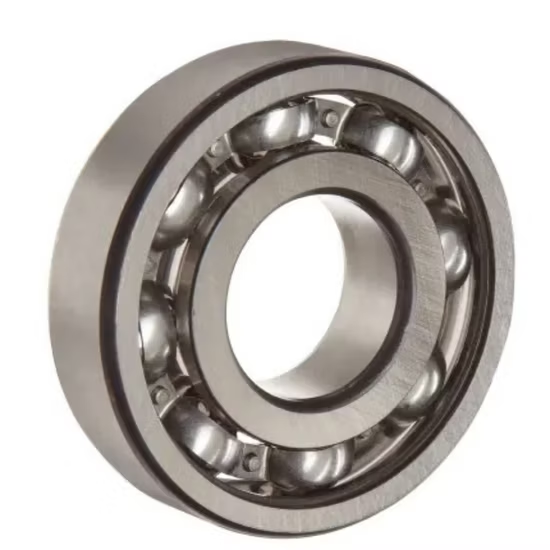
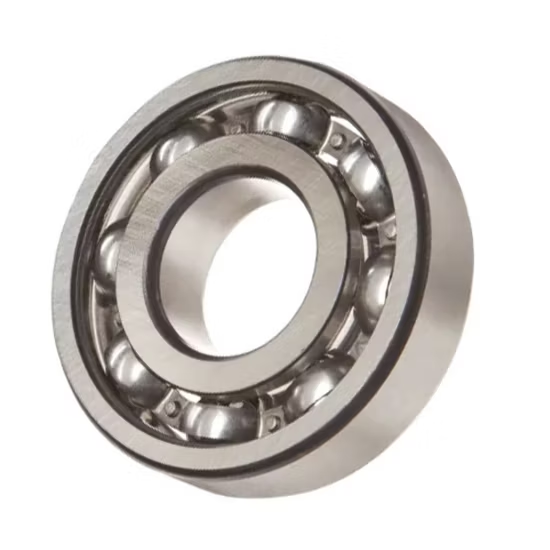


627 628 Deep Groove Ball Bearing — Manufactured from GCr15 steel, these single-row bearings deliver reliable performance for engine parts and industrial machinery.
Batch Traceability — every 627 628 unit shipped includes verifiable lot documentation linked directly to the original manufacturer's production records.
| Parameter | Value |
|---|---|
| Designation | 627 628 |
| Bearing Type | Deep Groove Ball Bearing |
| Number of Rows | Single Row |
| Material | GCr15 bearing steel |
| Seal or Shield Type | Open, ZZ, 2RS |
| Precision Class | P0, P6, P5, P4, P2 |
| Origin | Shanghai |
| Industry | Typical Applications |
|---|---|
| Electric Motors | Rotor shaft support, stator end-shield mounting, cooling fan assemblies |
| Engine Parts | Accessory drive pulleys, tensioner idlers, auxiliary shaft supports |
| Industrial Gearboxes | High-speed input shafts, intermediate gear supports |
| Pumps & Conveyors | Impeller shaft bearings, drive roller end journals |
Standard clearance selections frequently cause rotor seizure when operating temperatures rise in compact electric motors.
When sourcing small-format bearings for high-speed engine parts, purchasing teams often focus strictly on the base designation while missing critical internal geometry variations. In tropical manufacturing environments, I have seen countless standard clearance bearings installed in motor applications where elevated operating temperatures cause the inner ring to expand, eliminating internal clearance and locking the rotor completely. This thermal binding leads to catastrophic cage failure and unplanned downtime . Ensuring the correct internal geometry for the specific thermal profile of the equipment is essential to prevent these premature failures.
Selecting the right 627 628 deep groove ball bearing requires looking beyond the basic dimension envelope. We review the specific thermal expansion characteristics of your motor housing and shaft materials to recommend the appropriate internal clearance class. By aligning the internal geometry with the actual operating temperature rise, we ensure the bearing maintains optimal load distribution and avoids thermal binding during continuous high-speed operation.
Electric motors and engine accessories subject bearings to sustained high rotational speeds, generating significant internal friction heat. The choice between open, ZZ shielded, or 2RS contact seal configurations directly impacts both contamination ingress and frictional heat generation. While contact seals provide superior protection against dust and moisture in harsh environments, they also introduce friction that can elevate operating temperatures. Balancing sealing effectiveness with thermal limits is a critical dimension of the selection process .
The GCr15 bearing steel construction provides the necessary core hardness and wear resistance for demanding engine parts. Precision options ranging from standard P0 up to P2 dictate the running accuracy and vibration levels of the final assembly. For high-speed electric motors, tighter precision grades minimize radial runout, reducing acoustic noise and preventing uneven load distribution across the rolling elements. Matching the precision class to the specific vibration and speed requirements of the application ensures long-term reliability.
Failing to account for thermal expansion and fit tolerances results in severe operational consequences. When internal clearance is fully consumed by thermal growth and interference fits, the rolling elements experience extreme friction, leading to rapid lubricant degradation and eventual seizure. According to failure analysis frameworks, a significant share of premature bearing failures in electric motors stems directly from these incorrect internal geometry selections rather than material defects . This translates directly into warranty voidance and costly production halts.
We do not simply process part numbers; we validate the complete specification string. Many distributors match the base number but overlook critical seal types or precision suffixes, leading to field failures. Our technical team reviews your application parameters to ensure the cross-reference alignment covers internal clearance, cage design, and sealing arrangements. Furthermore, our authorized distribution network allows us to fulfill mixed-brand requirements in a single order, backed by comprehensive documentation that guarantees authenticity and batch traceability for every unit.
To ensure the selected bearing perfectly matches your application, please provide detailed operating parameters including radial and axial loads, continuous operating speeds, and expected temperature ranges. Sharing the specific OEM equipment numbers or existing housing dimensions allows our engineering team to perform a comprehensive cross-reference review and L10 life calculation, ensuring optimal performance and longevity for your machinery.
Q: How do I verify the authenticity of the bearings I receive?
A: Every unit we supply includes comprehensive batch traceability documentation. You can verify authenticity by scanning the packaging QR codes using the manufacturer's official mobile application. This confirms the origin and prevents the installation of counterfeit parts with compromised metallurgical properties that often pass casual visual inspections.
Q: What cross-reference checks are performed beyond the base designation?
A: We verify the complete specification string, ensuring the internal clearance, seal configuration, and precision class match your specific application requirements. Matching only the base numbers while ignoring these critical suffixes often results in thermal binding or premature cage failure when the bearing is subjected to actual operating temperatures and loads.
Q: How do I choose between Open, ZZ, and 2RS seal types?
A: Open bearings are ideal for enclosed gearboxes where external lubrication and cooling are managed by the system. ZZ shields offer low-friction protection against large particles in high-speed electric motors, while 2RS contact seals provide maximum contamination exclusion for harsh environments, though they generate slightly higher frictional heat.
Q: Which clearance class is required for engine parts with thermal expansion?
A: Standard clearance may suffice for ambient temperature applications, but engine parts and high-speed motors often require larger internal clearance to accommodate thermal expansion of the shaft and interference fits. We analyze your specific operating temperature rise to recommend the correct clearance class, preventing thermal binding and rotor seizure.
Our 5-step process ensures every order is engineered, validated, and supported for optimal performance.
Technical needs assessment
Custom specifications
Free samples for $50k+
Pre-shipment inspection
On-site & predictive
Our certified engineers respond within 24 hours with detailed technical specifications, pricing, and lead time information.


