01
Consultation
Technical needs assessment

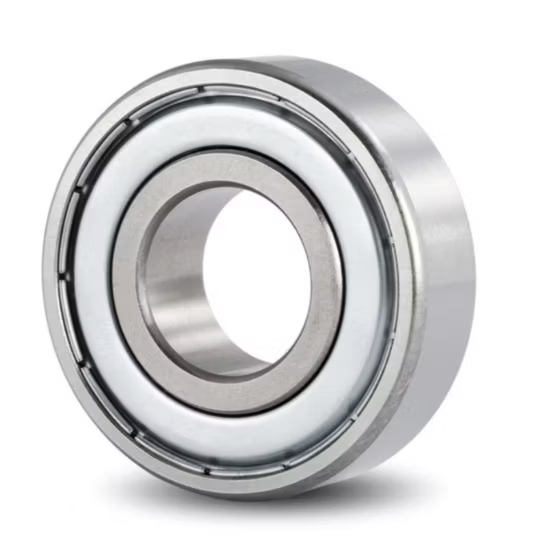
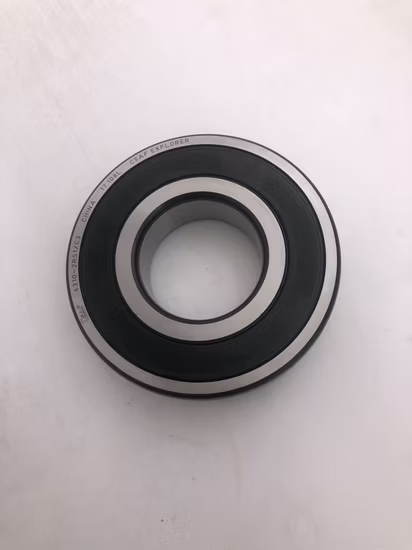
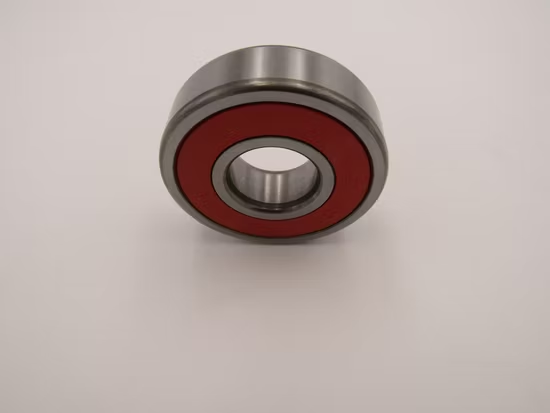


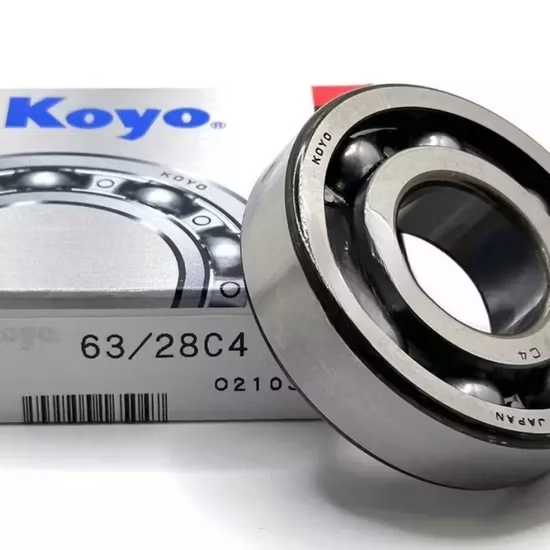
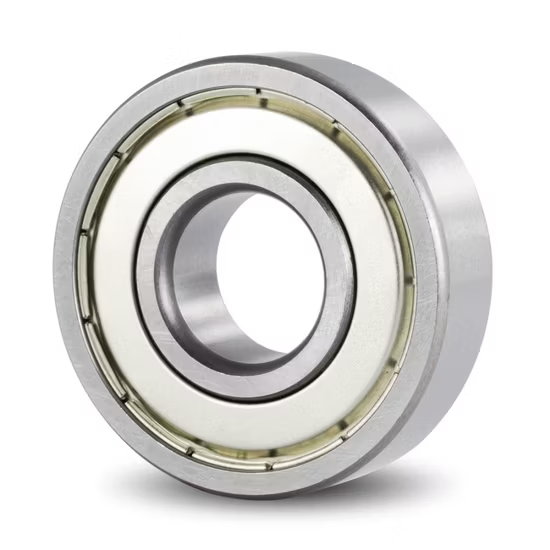
6215 C3 Deep Groove Ball Bearing — engineered with greater than normal internal clearance to effectively accommodate thermal expansion and prevent operational binding during high-temperature environments or tight interference fit applications.
Three-way cross-reference alignment — verifying base number, C3 clearance, and seal type simultaneously to prevent thermal binding in mixed-brand orders.
| Parameter | Value |
|---|---|
| Designation | 6215 C3 |
| Bearing Type | Deep Groove Ball Bearing |
| Clearance Class | C3 |
| Seal or Shield Type | Open, Rubber Seals, Iron Shields |
| Noise and Vibration Level | Z1V1, Z2V2, Z3V3, Z4V4 |
| Industry | Typical Applications |
|---|---|
| Electric Motors | High-temperature stator and rotor shaft supports |
| Industrial Gearboxes | High-speed input and output shaft mounting |
| Pumps | Centrifugal pump impeller shaft bearings |
| Conveyors | Drive and tail pulley shaft assemblies |
Thermal expansion eliminates internal clearance, causing the rolling elements to skid and the cage to fracture.
In our Ningbo workshops, we repeatedly see standard CN clearance installed in high-temperature motor environments, leading to catastrophic thermal binding. When the inner ring expands faster than the housing during operation, the radial play vanishes entirely . Sourcing the correct 6215 C3 deep groove ball bearing prevents this hidden failure mode before the equipment even starts.
Selecting the right 6215 C3 deep groove ball bearing requires matching the specific seal and noise grade to the operational environment. Our engineering team reviews the exact load, speed, and temperature parameters to ensure the C3 clearance properly accommodates thermal growth. This application-based selection guarantees that the bearing performs reliably without premature wear or excessive friction in demanding machinery.
Electric motors and industrial gearboxes generate substantial heat, demanding greater than normal internal clearance to prevent the rolling elements from binding under thermal expansion. Simultaneously, these environments often expose the shaft to fine particulate contamination, making the choice between non-contact iron shields and contact rubber seals critical for balancing friction and protection. Selecting the appropriate noise and vibration grade, ranging from Z1V1 to Z4V4, ensures smooth operation and minimizes acoustic resonance in sensitive equipment housings .
The C3 suffix indicates a radial internal clearance strictly greater than the standard CN class, providing the necessary operational gap to absorb thermal expansion from the inner ring. Open configurations allow for maximum speed and external oil lubrication, while iron shields offer non-contact protection against large debris without adding significant frictional heat. Rubber seals provide superior exclusion of fine dust and moisture, though they introduce slight frictional drag that must be factored into high-speed limiting calculations. The graded Z and V noise levels reflect stringent geometric tolerances and surface finish controls, ensuring minimal vibration transfer to the motor stator.
Installing a standard clearance bearing in a high-thermal application inevitably leads to unplanned downtime as the internal gap closes and the cage experiences extreme stress. According to failure analysis frameworks, this thermal binding accelerates fatigue spalling on the raceways and often results in catastrophic cage fracture. Such premature failures not only void equipment warranties but also cause secondary damage to the shaft and housing, drastically increasing the total cost of ownership beyond the initial component price .
We align cross-references across base designation, clearance class, and seal type simultaneously, eliminating the risk of receiving a standard CN part when a C3 is strictly required. Every batch is fully traceable to the original manufacturer, allowing you to verify authenticity and material origins through official brand applications. Our technical team reviews your specific application parameters to confirm that the selected sealing and noise grades match your operational realities. This comprehensive approach ensures that mixed-brand orders arrive with consistent internal geometry and exact suffix compliance.
Provide your specific radial and axial load profiles, operating speeds, and ambient temperature ranges so our team can verify the L10 life and confirm the C3 clearance is optimal. Sharing the OEM equipment designation allows us to perform a precise cross-reference check, ensuring the seal type and noise grade perfectly match the original factory specifications. This technical validation guarantees that the supplied components integrate flawlessly into your assembly without requiring trial-and-error adjustments.
Q: Why is C3 clearance critical for electric motors compared to standard CN clearance?
A: Electric motors generate significant internal heat, causing the inner ring to expand faster than the outer housing. The C3 clearance provides a larger initial radial gap to accommodate this thermal expansion. Without it, the internal play vanishes during operation, leading to excessive friction, thermal binding, and eventual cage failure under high-speed conditions.
Q: How do I verify bearing authenticity using official brand apps?
A: Genuine products feature specific batch codes and QR markers on the packaging. By scanning these codes using the manufacturer's official mobile application, you can instantly verify the production facility, batch date, and original destination. This digital traceability effectively identifies counterfeit products that rely on cloned visual markings but lack verifiable backend data.
Q: What are the cross-reference pitfalls when matching clearance and seal types?
A: A common error occurs when procurement matches only the base numerical designation while overlooking critical suffixes. Substituting a standard CN clearance for a required C3, or replacing a low-friction iron shield with a high-drag rubber seal, alters the thermal and speed characteristics. This mismatch causes unexpected overheating or premature wear in the specific application.
Q: How should I choose between rubber seals and iron shields?
A: Iron shields provide non-contact protection against large debris and maintain low friction, making them ideal for high-speed applications where heat generation must be minimized. Rubber seals offer contact-based exclusion of fine dust and moisture, providing superior contamination protection for harsh environments, though they introduce slight frictional drag that reduces the maximum permissible speed.
Q: What noise and vibration level is recommended for precision motor applications?
A: High-precision electric motors and sensitive equipment typically require Z3V3 or Z4V4 grades to minimize acoustic resonance and structural vibration. These stricter tolerances ensure smoother rolling element interaction with the raceways, reducing noise transmission to the motor housing and extending the operational lifespan of the surrounding mechanical components.
Our 5-step process ensures every order is engineered, validated, and supported for optimal performance.
Technical needs assessment
Custom specifications
Free samples for $50k+
Pre-shipment inspection
On-site & predictive
Our certified engineers respond within 24 hours with detailed technical specifications, pricing, and lead time information.