01
Consultation
Technical needs assessment


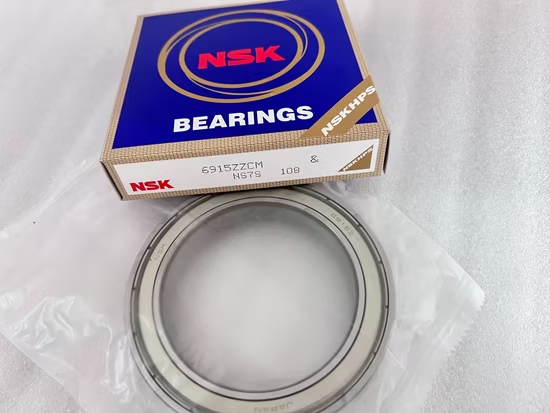
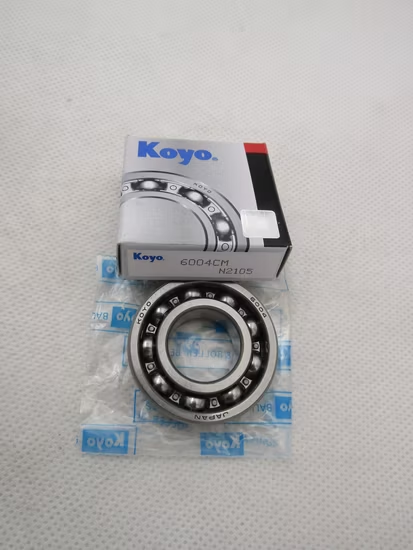
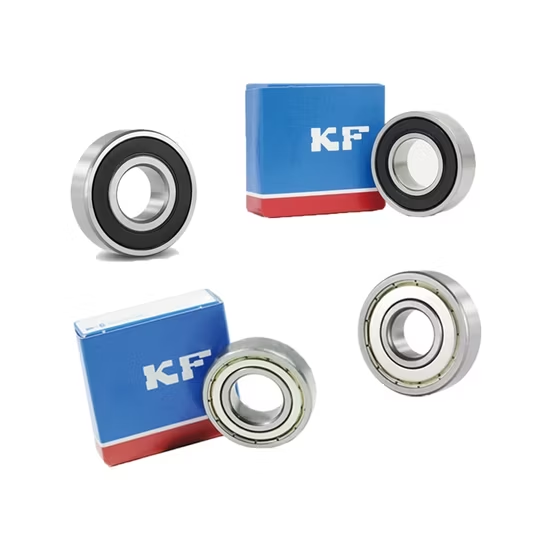


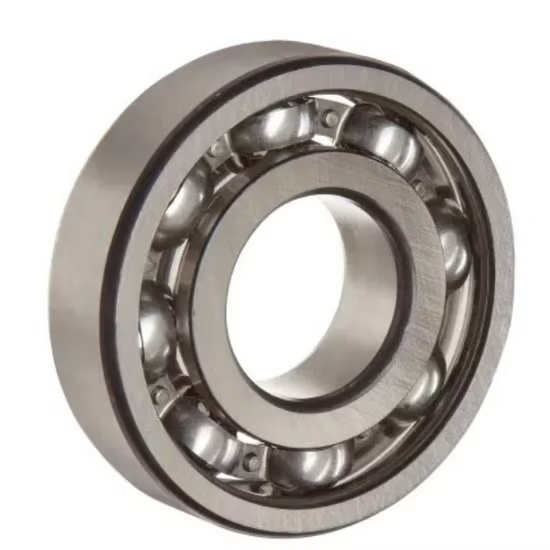
6212 6213 6214 6215 6216 Deep Groove Ball Bearing — single-row units available in open, 2RS, and 2ZZ configurations for diverse industrial applications.
Original Batch Traceability — every 6212 6213 6214 6215 6216 deep groove ball bearing ships with manufacturer lot documentation for complete supply chain visibility.
| Parameter | Value |
|---|---|
| Designation | 6212 6213 6214 6215 6216 |
| Product Type | Deep Groove Ball Bearing |
| Bearing Style | Open, Rubber Seals (2RS), Iron Seals (2ZZ) |
| Number of Rows | Single Row |
| Noise and Vibration Class | Z1V1, Z2V2, Z3V3, Z4V4 |
| Origin Options | Germany, Japan, Sweden, Malaysia, China |
| HS Code | 848210 |
| Industry | Typical Applications |
|---|---|
| Electric Motors | Rotor shaft support, cooling fan drives, stator housings |
| Industrial Gearboxes | High-speed input shafts, intermediate gear supports |
| Material Handling | Conveyor roller idlers, belt drive pulley shafts |
Matching the base number while ignoring the seal suffix is the fastest route to catastrophic motor failure.
In dusty environments, specifying a metal shield when a rubber seal is required allows fine particulates to bypass the non-contact gap, contaminating the grease and causing the rotor to seize. Conversely, using a contact rubber seal in high-speed applications generates excessive friction heat, degrading the lubricant prematurely. These cross-reference oversights account for a significant share of unplanned downtime in continuous duty cycles .
Selecting the correct configuration for a 6212 6213 6214 6215 6216 deep groove ball bearing requires evaluating the specific contamination level and rotational speed of the application. Our technical review process ensures that the chosen seal type perfectly matches the physical demands of the equipment, preventing the costly mismatches that frequently occur during generic part replacements.
The 2RS rubber seal provides excellent contact sealing against moisture and dust but introduces friction that limits maximum rotational speed and generates internal heat. The 2ZZ iron shield offers non-contact protection suitable for higher speeds and elevated temperatures, though it cannot prevent fine dust or liquid ingress. Open variants require external housing seals and regular relubrication intervals, making them ideal for heavily loaded gearboxes where heat dissipation is critical .
The Z1V1 through Z4V4 classifications define the strictness of the manufacturing tolerances regarding acoustic emissions and vibrational velocity. Lower noise grades like Z3V3 or Z4V4 are essential for precision electric motors and household appliances where acoustic comfort is paramount. Standard Z1V1 or Z2V2 grades are typically sufficient for heavy-duty conveyors and general industrial gearboxes where ambient machinery noise masks the bearing signature.
Installing a standard CN clearance bearing in an application requiring C3 for thermal expansion leads to internal preload, excessive friction, and rapid cage failure. These misapplications result in unplanned downtime, premature failure of adjacent components, and complete warranty voidance by the original equipment manufacturer. Relying on ISO 15243 frameworks, such failures are consistently traced back to improper internal geometry selection rather than material defects .
We prevent the common error of substituting 2ZZ shields for 2RS seals by strictly verifying suffix requirements against your application data. Our cross-brand interchange service matches not just the base designation, but also the exact clearance, cage material, and precision grade. Every shipment includes batch traceability to the manufacturer, eliminating the risk of counterfeit products with soft inner rings that fail under load.
To ensure accurate selection and L10 life calculation, provide your specific radial and axial loads, operating speeds, and ambient temperature ranges. Sharing the original equipment manufacturer part number allows our engineering team to perform a precise cross-reference check, verifying that the seal type and internal clearance perfectly match your machinery's design requirements.
Q: Why must clearance and seal suffixes be matched during cross-referencing?
A: Base numbers only define the physical dimensions. A 2RS seal creates friction that affects thermal expansion, while a C3 clearance compensates for it. If a replacement part matches the base number but uses a 2ZZ shield and CN clearance, the altered thermal dynamics will cause internal binding and rapid failure in high-temperature applications.
Q: How do 2RS rubber seals and 2ZZ iron shields differ in performance?
A: The 2RS rubber seal provides a physical contact barrier that excels at blocking fine dust and moisture, making it ideal for harsh environments. The 2ZZ iron shield is a non-contact metal cover that minimizes friction and handles higher speeds and temperatures, but it cannot prevent liquid or very fine particulate contamination from entering the bearing interior.
Q: What do the Z1V1 to Z4V4 classifications indicate for motor applications?
A: These codes represent the noise and vibration quality levels achieved during manufacturing. Z1V1 and Z2V2 are standard grades suitable for general industrial gearboxes and conveyors. Z3V3 and Z4V4 indicate strictly controlled geometric tolerances that minimize acoustic emissions, which is mandatory for high-speed electric motors and precision appliances where operational silence is required.
Q: How can I verify the authenticity of the delivered bearings?
A: Every unit is supplied with a Certificate of Conformity and batch traceability documents. You can scan the QR codes on the packaging using the official mobile applications provided by the respective bearing manufacturers to instantly verify the production lot, origin, and authenticity, completely eliminating the risk of counterfeit components.
Q: When should I select C3 clearance instead of standard CN?
A: Standard CN clearance is designed for normal operating temperatures and standard shaft fits. C3 clearance provides greater internal space to accommodate thermal expansion of the shaft and housing, or to compensate for the reduction in clearance caused by heavy interference fits. Using CN in these conditions will lead to excessive internal preload and premature seizure.
Our 5-step process ensures every order is engineered, validated, and supported for optimal performance.
Technical needs assessment
Custom specifications
Free samples for $50k+
Pre-shipment inspection
On-site & predictive
Our certified engineers respond within 24 hours with detailed technical specifications, pricing, and lead time information.