01
Consultation
Technical needs assessment

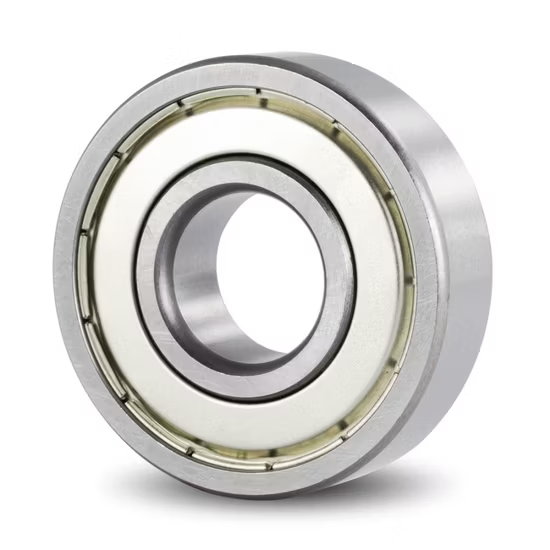


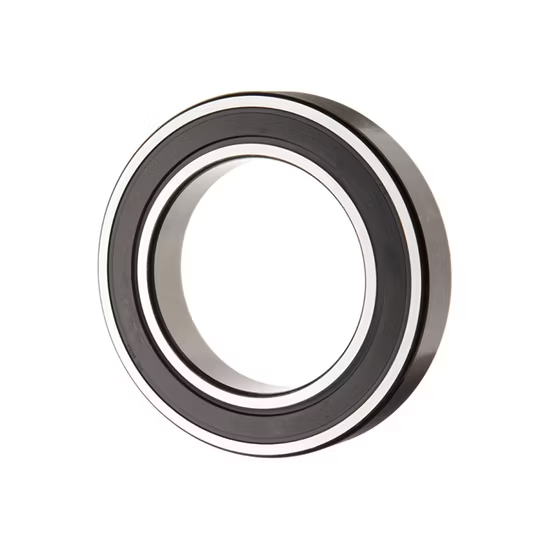
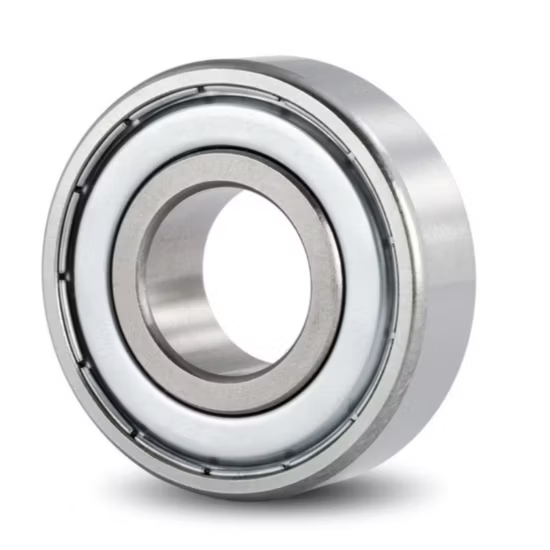
6200 Deep Groove Ball Bearing — available in open, rubber-sealed, and iron-shielded configurations with Z1V1 to Z4V4 vibration grading for electric motors and automotive wheel applications.
Multi-brand authorized coverage — Source genuine 6200 deep groove ball bearings from SKF, FAG, or NSK in a single consolidated shipment without juggling multiple vendors.
| Parameter | Value |
|---|---|
| Designation | 6200 |
| Bearing Type | Deep Groove Ball Bearing |
| Seal or Shield Type | Open, Rubber Seals, Iron Shields |
| Noise and Vibration Level | Z1V1, Z2V2, Z3V3, Z4V4 |
| Origin | Germany, Japan, Sweden, Malaysia, China |
| HS Code | 848210 |
| Industry | Typical Applications |
|---|---|
| Electric Motors | Stator and rotor shaft support, cooling fan assemblies |
| Automotive | Wheel hub units, alternator pulleys, water pump shafts |
| Industrial Gearboxes | High-speed input shafts, auxiliary drive mechanisms |
| Household Appliances | Washing machine drum supports, HVAC blower motors |
Matching the base designation without verifying internal clearance and seal friction leads to thermal binding under continuous duty.
In Qingdao's motor manufacturing hubs, I frequently see standard variants installed in high-temperature exhaust fans where thermal expansion demands extra internal play. The resulting friction cooks the lubricant, seizes the cage, and ultimately burns out the stator windings. Sourcing a 6200 deep groove ball bearing requires strict alignment of suffix specifications to prevent these catastrophic field failures .
Selecting the correct noise and vibration classification is critical for rotating equipment. A Z3V3 or Z4V4 grade 6200 deep groove ball bearing ensures minimal acoustic emission and smooth operation in precision electric motors. We review your specific RPM and balancing requirements to supply the exact quality tier needed, avoiding unnecessary costs on over-specified grades while preventing resonance issues in sensitive automotive alternators.
High-temperature environments drastically alter the operational geometry of rotating shafts. When standard internal clearance is used in hot air circulation fans, thermal expansion eliminates the internal play, causing the rolling elements to skid and generate excessive heat. Simultaneously, choosing rubber contact seals over iron shields in high-speed wheel hubs introduces parasitic drag that degrades the grease. Balancing these thermal and friction variables is essential for long-term reliability .
The absence of a suffix on the base designation indicates an open configuration, which relies entirely on the housing for contamination control and external lubrication. When the application demands self-contained lubrication, selecting between rubber seals and iron shields dictates the friction profile. Rubber seals provide superior moisture exclusion but generate more heat at high speeds, whereas iron shields offer low-friction protection suitable for high-RPM electric motors. Furthermore, the Z1V1 through Z4V4 classifications define the strictness of the geometric tolerances and surface finish, directly correlating to the acoustic performance required in household appliances and precision automotive components.
Procuring a component based solely on the base number often results in severe operational penalties. Installing an open variant in a dusty conveyor environment leads to rapid abrasive wear, while using standard clearance in a high-heat application causes catastrophic seizure and collateral damage to the motor housing. These mismatches trigger unplanned downtime, void equipment warranties, and necessitate expensive emergency replacements, far exceeding the initial savings of skipping a thorough technical review .
Our cross-brand interchange process verifies seal types, internal clearances, and vibration grades, not just the base number, ensuring the 6200 deep groove ball bearing matches your exact equipment requirements. We provide full batch traceability to the manufacturer, eliminating the risk of counterfeits with soft inner rings that pass casual visual inspections but fail under load. By reviewing your application parameters, we prevent the common error of installing standard clearance where thermal expansion demands a C3 equivalent. Our multi-brand authorization allows you to consolidate mixed-brand requirements into a single, fully documented shipment.
To ensure the selected configuration meets your operational demands, provide your specific radial and axial loads, operating speeds, and ambient temperatures for a comprehensive L10 life calculation. Sharing your OEM equipment numbers allows our engineering team to perform a precise cross-reference check, verifying that the seal friction and internal clearance align perfectly with the original design intent.
Q: How do Z1V1 to Z4V4 vibration levels impact electric motor performance?
A: These classifications define the strictness of geometric tolerances and surface finish. Higher grades like Z3V3 or Z4V4 significantly reduce acoustic emission and vibration, which is critical for precision electric motors and household appliances. We verify the exact grade to ensure smooth, quiet operation without overspending on unnecessary tolerances for heavy-duty industrial gearboxes.
Q: How should I choose between rubber seals and iron shields for automotive applications?
A: Rubber seals offer excellent exclusion of moisture and fine dust but generate higher friction at elevated speeds. Iron shields provide low-friction, non-contact protection ideal for high-RPM automotive alternators and wheel hubs. We evaluate your specific speed and contamination exposure to recommend the optimal sealing configuration for your auto parts.
Q: Why must cross-referencing include more than just the base 6200 number?
A: Matching only the base designation ignores critical internal design variations. A standard clearance variant will thermally bind and seize in high-temperature environments where extra internal play is required. We verify the exact seal type, clearance class, and cage material to ensure the replacement matches the equipment's original engineering parameters.
Q: How can I verify bearing authenticity and batch traceability?
A: Every unit we supply includes batch traceability linking it directly to the manufacturer's production facilities. You can verify authenticity by scanning the packaging QR codes through the official brand applications, ensuring the internal components meet genuine metallurgical standards and eliminating the risk of counterfeit products with soft inner rings.
Q: How do I select the correct clearance class for high-temperature motor environments?
A: High operating temperatures cause the inner ring and shaft to expand, reducing internal clearance. If standard clearance is used in hot exhaust fans, thermal expansion can eliminate the play entirely, leading to skidding and seizure. Provide your operating temperature data so we can specify the appropriate clearance class to accommodate thermal growth safely.
Our 5-step process ensures every order is engineered, validated, and supported for optimal performance.
Technical needs assessment
Custom specifications
Free samples for $50k+
Pre-shipment inspection
On-site & predictive
Our certified engineers respond within 24 hours with detailed technical specifications, pricing, and lead time information.