01
Consultation
Technical needs assessment


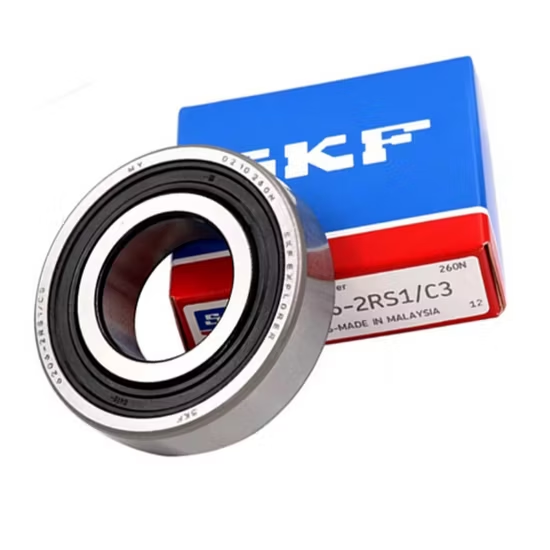


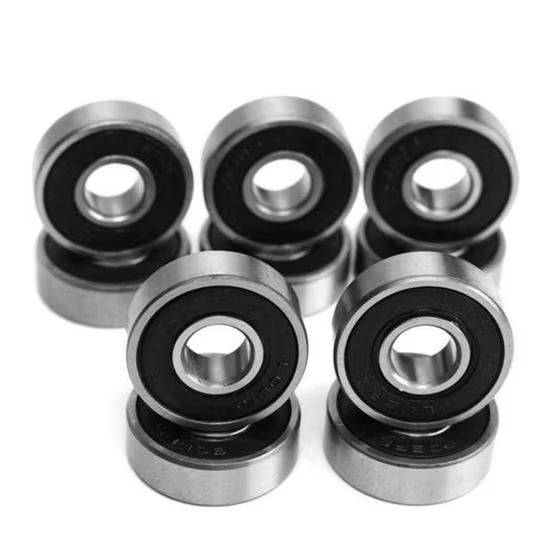
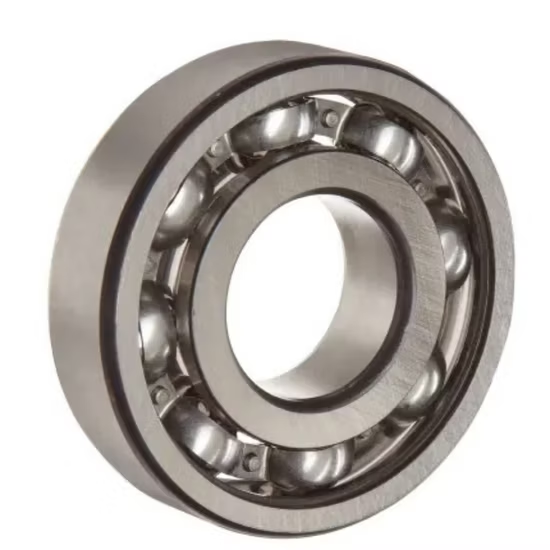
6020 Zz RS P4p5p6 Deep Groove Ball Bearing — configurable P4, P5, and P6 precision classes ensure exact running accuracy for printing press spindles.
Traceable Batch Origins — Every 6020 Zz RS P4p5p6 deep groove ball bearing ships with manufacturer lot documentation for complete supply chain visibility.
| Parameter | Value |
|---|---|
| Designation | 6020 Zz RS P4p5p6 |
| Bearing Type | Deep Groove Ball Bearing |
| Material | Chrome Steel |
| Bearing Style | Open, Rubber Seals, Iron Seals (configurable options) |
| Precision Class | P4, P5, P6 |
| Quality Level | Z1V1, Z2V2, Z3V3, Z4V4 |
| Feature | Low Noise, High Speed, Long Service Life |
| Origin | Germany, Japan, Sweden, Malaysia, China |
| Customization | OEM services available |
Note: Specific seal and shield suffixes like Zz and RS require manufacturer catalog confirmation for exact dimensional compatibility.
| Industry | Typical Applications |
|---|---|
| Printing & Packaging | Printing press spindles, impression cylinders, transfer rollers |
| Power Transmission | Electric motor shafts, industrial gearbox support stages |
| General Machinery | Pump shafts, conveyor drive rollers, household appliance motors |
Mismatched precision suffixes and incorrect internal clearances cause thermal binding long before the steel fatigues.
I have seen standard tolerance parts disguised as high-precision units cause severe chatter marks on printed materials, ruining entire production runs. When a standard clearance is forced into a high-speed spindle operating at elevated temperatures, the inner ring expands and locks the assembly solid. Procurement teams often match the base number while overlooking the exact precision and seal requirements, leading to catastrophic cage failure under continuous press operation.
Selecting the right 6020 Zz RS P4p5p6 deep groove ball bearing requires matching the precision class to the specific roller function. P4 is mandatory for the main impression cylinder to prevent micro-vibrations, while P5 or P6 suffices for auxiliary feed rollers. Our technical review ensures the selected tolerance aligns perfectly with your press speed and load profile, preventing premature wear from uncorrected geometric deviations.
Printing press environments demand careful balancing of rotational speed and thermal expansion. High-speed operation generates significant friction heat, which reduces internal clearance and necessitates specific thermal allowances to prevent seizure. Contamination from paper dust and ink mist requires robust sealing, yet contact rubber seals introduce friction that limits maximum RPM. Choosing between non-contact iron shields and rubber seals depends entirely on the contamination level and the cooling capacity of the spindle housing.
The availability of P4, P5, and P6 precision classes allows exact tuning for varying spindle tolerances. While iron shields offer low-friction protection against coarse paper dust, rubber seals provide superior defense against liquid ink splatter at the cost of higher operating temperatures. The Z1V1 through Z4V4 quality levels dictate the strictness of vibration and acoustic emissions, which is critical for maintaining smooth operation in high-end printing machinery.
Installing a standard precision part in a high-speed press spindle leads to unplanned downtime and catastrophic damage to the housing. According to ISO 281 framework principles, ignoring the thermal expansion requirements drastically reduces the calculated L10 life. A bearing that binds thermally will destroy the spindle shaft and void equipment warranties, turning a minor component replacement into a massive repair project.
We source directly from authorized manufacturer production facilities, eliminating the risk of soft inner rings found in counterfeit batches. Our cross-reference matching verifies not just the base 6020 number, but the exact precision and seal suffixes required for your press. Every shipment includes full batch traceability, ensuring that the P4 or P5 tolerance you ordered is exactly what arrives at your loading dock.
To ensure optimal spindle performance, provide your exact radial and axial loads, operating speeds, and thermal conditions for a comprehensive L10 life review. Supplying the original equipment manufacturer part numbers allows our engineering team to perform a precise cross-reference check. This technical validation guarantees that the selected precision class and sealing arrangement perfectly match your printing press requirements.
Q: How can I verify the authenticity of these bearings upon delivery?
A: You can verify authenticity by scanning the QR codes on the packaging using the official brand applications. We also provide a Certificate of Conformity and batch traceability documents that link directly to the manufacturer's production records, ensuring every unit is genuine and meets the specified precision standards.
Q: Why is matching the exact precision class critical for printing presses?
A: Printing press spindles operate at high speeds where micro-vibrations cause visible chatter marks on the final product. Installing a lower precision class than required introduces geometric deviations that amplify vibration, leading to poor print quality and accelerated wear on the cylinder bearings and housing components.
Q: What happens if standard clearance is used instead of the required thermal clearance?
A: As the spindle reaches operating temperature, the inner ring expands. If standard clearance is used, this thermal expansion eliminates the internal gap, causing the bearing to bind and overheat. This thermal locking results in catastrophic cage failure and severe damage to the press shaft.
Q: How do I choose between rubber seals and iron shields for my application?
A: Iron shields provide low-friction protection suitable for high-speed applications with coarse dust, while rubber seals offer better defense against liquid ink and fine mist but generate more friction heat. The choice depends on your specific contamination environment and the cooling capacity of the spindle housing.
Q: What documentation is required to ensure full batch traceability?
A: Full traceability requires the Certificate of Conformity, material test reports, and dimensional inspection reports. These documents confirm the exact material composition, heat treatment, and running accuracy, linking the physical bearing back to its specific production lot at the manufacturing facility.
Our 5-step process ensures every order is engineered, validated, and supported for optimal performance.
Technical needs assessment
Custom specifications
Free samples for $50k+
Pre-shipment inspection
On-site & predictive
Our certified engineers respond within 24 hours with detailed technical specifications, pricing, and lead time information.