01
Consultation
Technical needs assessment

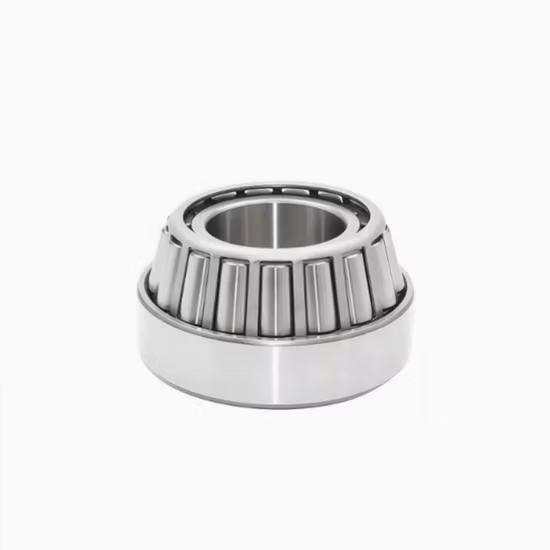
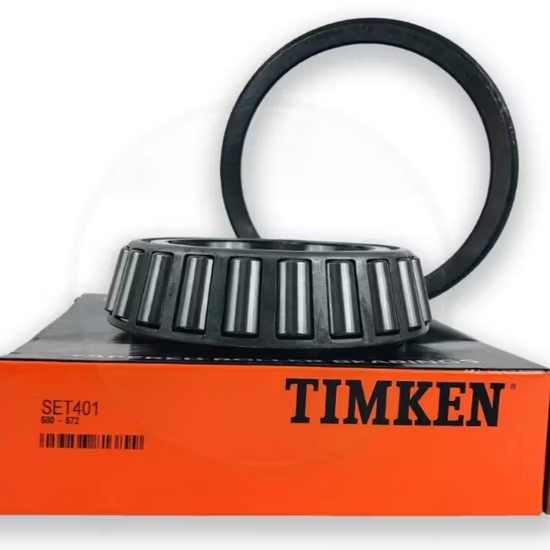

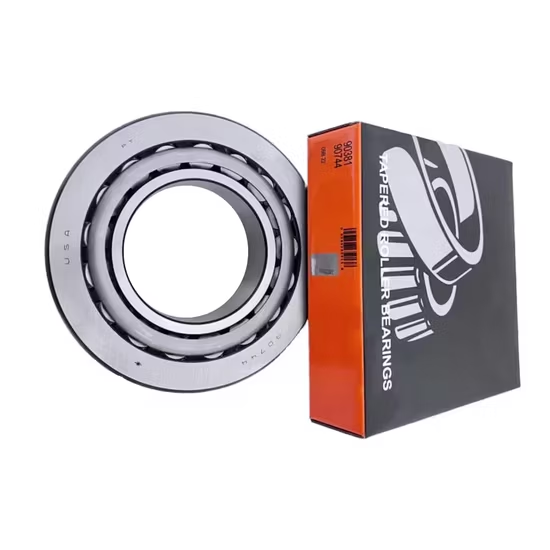


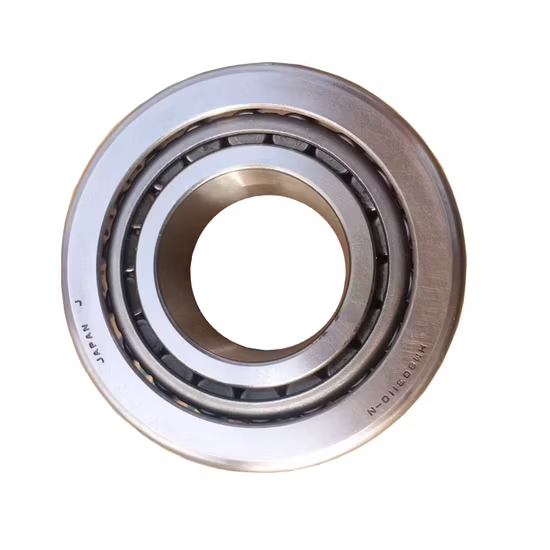
580/572 Tapered Roller Bearing P4 — constructed from GCr15 bearing steel to handle heavy radial and axial loads in automotive hubs and industrial gearboxes.
Cross-reference alignment verified — Base designation, internal geometry, and precision class are matched simultaneously to prevent thermal binding in the field.
| Parameter | Value |
|---|---|
| Designation | 580/572 |
| Product Type | Tapered Roller Bearing |
| Precision Class | P4 |
| Material | GCr15 bearing steel |
| Cage Material | Available in nylon, brass, or iron variants |
| Origin | Sourced from manufacturer facilities in Germany, Japan, Sweden, Malaysia, or China |
Note: The 580/572 identifier includes an unverified suffix that requires official catalog confirmation prior to procurement.
| Industry | Typical Applications |
|---|---|
| Automotive & Heavy Transport | Wheel hubs and truck axles subjected to combined radial and axial loads |
| Industrial Power Transmission | Heavy-duty gearboxes requiring high rigidity and precise shaft locating |
| Marine & Construction | Marine drive shafts and building material processing equipment |
Matching the base number is never enough for heavy-duty tapered roller assemblies.
Sourcing teams frequently approve replacements based solely on the basic designation, overlooking critical internal geometry and precision suffixes. In heavy transport and industrial gearboxes, this oversight leads to rapid thermal expansion and cage failure under load. We address these cross-reference errors by verifying the exact internal design, ensuring the replacement handles the specific operational demands without causing unplanned downtime .
Securing the correct 580/572 tapered roller bearing requires more than matching outer dimensions; it demands strict alignment of internal tolerances. Our technical review process verifies that the cup and cone assemblies match the original equipment specifications for gearboxes and truck axles, preventing premature wear caused by mismatched rolling element profiles.
Wheel hubs and marine drives generate significant heat during continuous operation, which directly impacts internal clearance. Selecting the appropriate clearance class is vital to accommodate thermal expansion without causing the rollers to skew or the cage to fracture under heavy axial thrust .
The P4 precision class provides tighter dimensional and running accuracy, which is essential for minimizing vibration in high-speed truck axles and industrial gearboxes. The GCr15 bearing steel construction ensures durability under heavy combined loads. Furthermore, the availability of nylon, brass, or iron cage variants allows procurement engineers to select the optimal retainer based on specific operational speeds, vibration levels, and temperature conditions.
Installing a component with incorrect internal angles or mismatched precision classes inevitably results in catastrophic damage to the shaft and housing. Such failures trigger extensive unplanned downtime and void equipment warranties, turning a minor procurement saving into a massive operational loss .
Our technical team reviews every inquiry to ensure the internal design matches the actual application, preventing the thermal binding issues I frequently diagnosed in Latin American mining fleets. We provide comprehensive cross-reference matching that accounts for precision and cage materials, supported by full batch traceability to the original manufacturer. This rigorous verification ensures mixed-brand requirements are fulfilled with exact engineering equivalents.
To finalize the selection and verify the cross-reference, please provide the exact radial and axial loads, operating speeds, and thermal conditions of your application. Sharing the original OEM equipment number allows our engineering team to confirm the internal geometry and ensure the replacement integrates perfectly into your drivetrain.
Q: How do you verify cross-references for tapered roller assemblies?
A: We do not rely solely on the base number. Our technical team verifies the internal geometry, precision class, and cage material to ensure the replacement matches the exact operational requirements of your truck axles or gearboxes, preventing field failures caused by mismatched internal designs.
Q: Why is cage material selection critical for these applications?
A: Different applications demand different retainers. Nylon cages offer low friction for high speeds, brass provides durability under high vibration, and iron handles extreme temperatures. Selecting the correct variant ensures the assembly survives the specific thermal and mechanical stresses of your equipment.
Q: What does the P4 precision class mean for industrial gearboxes?
A: Reaching P4 precision means the component features significantly tighter dimensional and running accuracy compared to standard grades. This reduces vibration and noise, ensuring smoother power transmission and extending the service life of the gearbox shafts and seals.
Q: How can I confirm the authenticity of the supplied components?
A: Every unit is supplied with full batch traceability and a Certificate of Conformity. You can verify the authenticity directly using QR codes through the manufacturer's official applications, ensuring the GCr15 steel and internal tolerances meet original specifications.
Our 5-step process ensures every order is engineered, validated, and supported for optimal performance.
Technical needs assessment
Custom specifications
Free samples for $50k+
Pre-shipment inspection
On-site & predictive
Our certified engineers respond within 24 hours with detailed technical specifications, pricing, and lead time information.