01
Consultation
Technical needs assessment


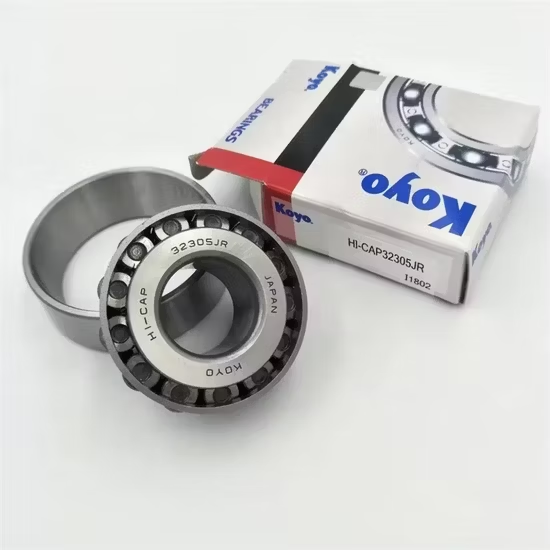
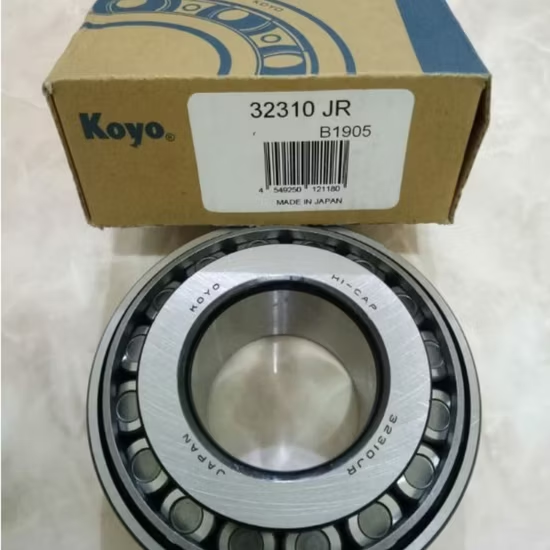
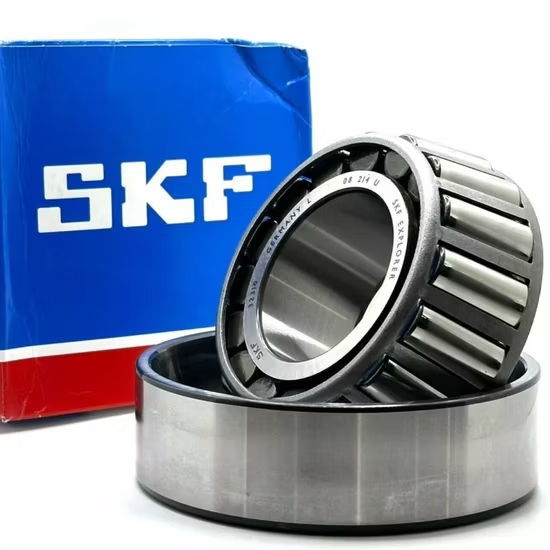
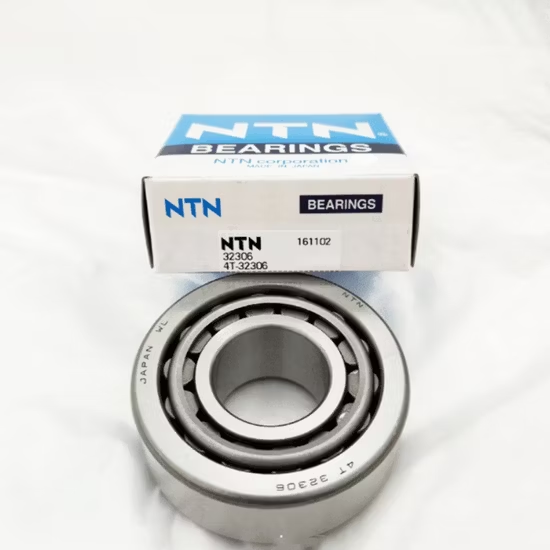
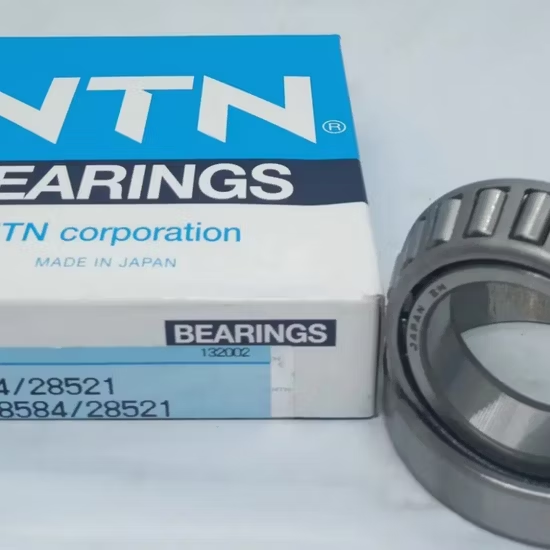
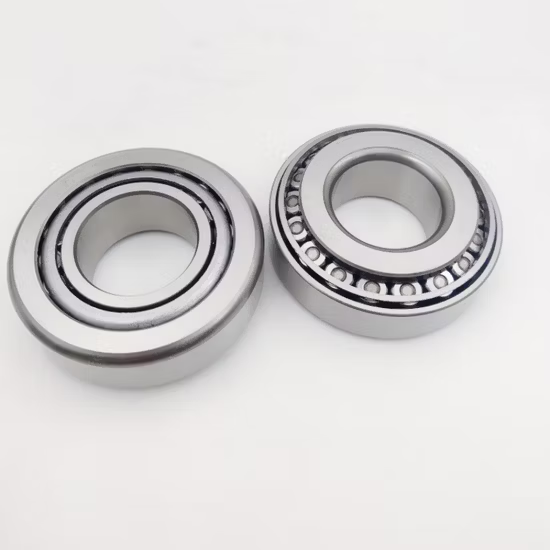
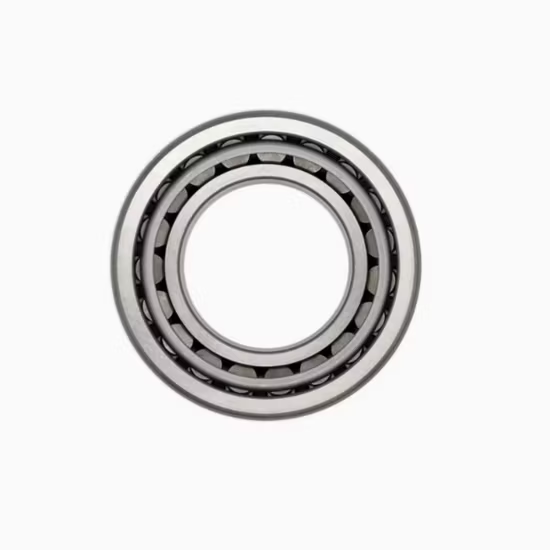
33207 33208 Single Row Tapered Roller Bearing P4 — manufactured from GCr15 steel for optimal wear resistance in demanding drivetrains.
Full Brand Authorization — sourcing mixed OEM requirements for 33207 33208 tapered roller bearing units across SKF, FAG, and NSK in a single consolidated shipment.
| Parameter | Value |
|---|---|
| Designation | 33207 33208 |
| Bearing Type | Tapered Roller Bearing |
| Number of Rows | Single Row |
| Material | GCr15 High-Carbon Chromium Bearing Steel |
| Precision Class | P4 |
| Cage Material | Available in Nylon, Brass, or Iron variants |
| Origin | Germany / Japan / Sweden / Malaysia / China |
| Certification | ISO 9001 / IATF 16949 compliant manufacturing |
| Industry | Typical Applications |
|---|---|
| Automotive & Heavy Vehicles | Wheel hub assemblies, truck drive axles, differential pinion shafts |
| Industrial Power Transmission | Heavy-duty gearbox output shafts, conveyor drive pulleys |
| Building Material Machinery | Crusher eccentric shafts, vibrating screen激振器 (vibrator mechanisms) |
| Marine & Offshore | Propulsion shaft supports, deck crane slewing gearboxes |
Matching the basic designation without verifying internal geometry and precision class guarantees premature failure under thermal load.
Procurement teams often cross-reference 33207 33208 tapered roller bearing sets based solely on the base number, ignoring critical internal variations. In heavy-duty environments like mining conveyors or truck axles, this粗放 (rough) approach leads to catastrophic thermal binding. When a standard precision component is forced into a high-speed gearbox application requiring P4 tolerances, the resulting friction generates excessive heat. highlights that dimensional inaccuracies directly accelerate surface fatigue and cage breakdown.
Selecting the correct 33207 33208 tapered roller bearing requires looking past the basic identifier to evaluate the exact precision class and internal clearances. Our engineering review ensures that the P4 precision tolerances are matched with the specific radial and axial load profiles of your equipment. By verifying the exact internal geometry against your OEM specifications, we prevent the micro-slippage and edge loading that typically destroy standard-grade components in demanding power transmission setups.
Tapered roller bearings in industrial gearboxes and truck axles endure severe combined loads and significant temperature fluctuations. Under heavy radial and thrust loads, the friction at the roller large-end and rib interface generates substantial heat. If the internal clearance is not properly calibrated for this thermal expansion, the rollers can skew, leading to rapid cage wear. Proper lubrication is equally critical; oil bath or circulating oil systems are typically required to dissipate heat and flush out wear debris in these high-load, moderate-to-high speed applications.
The P4 precision class specified for these units ensures significantly tighter dimensional and running accuracy compared to standard P0 grades, which is essential for minimizing vibration in high-speed gearboxes. The GCr15 bearing steel provides the necessary core hardness and wear resistance for heavy load-carrying capacity. Furthermore, the availability of nylon, brass, or iron cage options allows for precise adaptation to the operating environment. Brass cages offer superior durability and heat dissipation in high-vibration crusher applications, while nylon variants provide lower friction and quieter operation in automotive wheel hubs.
Installing a component that matches the base number but lacks the required P4 precision or correct cage material inevitably results in unplanned downtime. The initial savings from purchasing a lower-specification alternative are quickly erased by the cost of emergency maintenance, secondary damage to shafts and housings, and lost production time. Misaligned internal geometry causes uneven load distribution, accelerating surface fatigue and leading to catastrophic seizure that can destroy the entire gearbox assembly.
We do not just ship parts; we verify application suitability. For 33207 33208 tapered roller bearing orders, our technical team cross-references not just the base number, but the required precision class and cage material against your specific equipment parameters. We provide full batch traceability to the manufacturer, ensuring every unit meets the declared P4 tolerances. Our cross-brand interchange expertise guarantees that equivalent replacements maintain the exact internal geometry and load ratings required by your OEM design, eliminating the guesswork that leads to premature field failures.
To ensure precise selection and L10 life calculation, please provide the specific radial and axial loads, operating speeds, and expected temperature ranges for your application. If you are replacing an existing component, sharing the exact OEM equipment number or the full designation including any legacy suffixes allows our engineering team to perform a comprehensive cross-reference check. Detailing the environmental conditions, such as exposure to dust or moisture, helps us recommend the most appropriate cage material and sealing arrangement for your machinery.
Q: How do I verify the authenticity of the 33207 33208 tapered roller bearing through official channels?
A: Every unit we supply features a unique QR code and batch number that can be scanned using the manufacturer's official mobile application. This digital verification confirms the production facility, date, and original specifications, protecting your operation from counterfeit products that often feature soft inner rings and cloned packaging.
Q: Why is it critical to match the cage material during cross-reference interchange?
A: Different cage materials respond uniquely to operational stresses. A brass cage provides superior structural integrity and heat dissipation in high-vibration environments like crushers, while a nylon cage reduces friction and weight for high-speed automotive applications. Substituting the wrong cage type can lead to rapid wear, cage fracture, and catastrophic bearing failure under load.
Q: How does P4 precision differ from standard P0 in practical application?
A: P4 precision guarantees significantly tighter tolerances in bore diameter, outside diameter, and running accuracy compared to standard P0 grades. This enhanced precision minimizes vibration, reduces operational noise, and ensures even load distribution across the rollers, which is essential for extending service life in high-speed gearboxes and precision machinery.
Q: What mounting practices are recommended to prevent thermal binding in these tapered roller bearings?
A: Proper mounting requires precise adjustment of the internal axial clearance to accommodate thermal expansion during operation. We recommend using controlled induction heating for the inner rings and verifying shaft and housing tolerances to ensure the P4 precision is not compromised by improper fits, preventing the rollers from skewing and generating excessive friction heat.
Our 5-step process ensures every order is engineered, validated, and supported for optimal performance.
Technical needs assessment
Custom specifications
Free samples for $50k+
Pre-shipment inspection
On-site & predictive
Our certified engineers respond within 24 hours with detailed technical specifications, pricing, and lead time information.