01
Consultation
Technical needs assessment


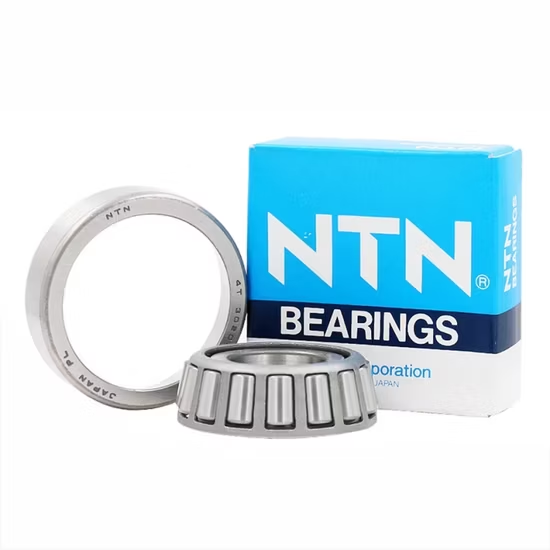

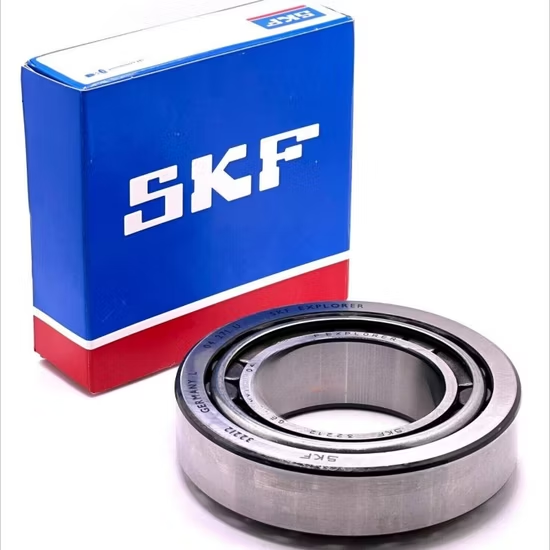


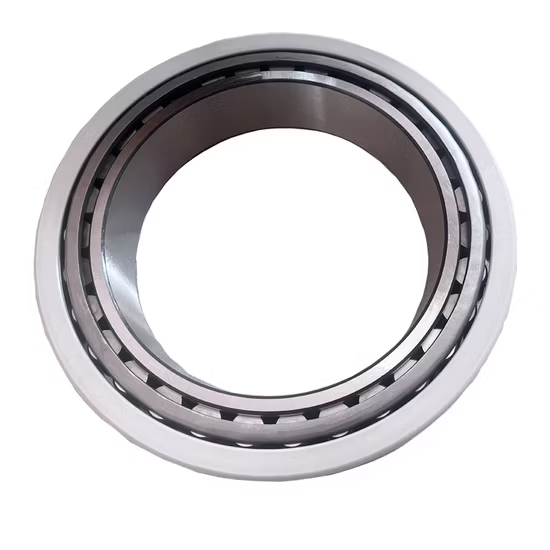
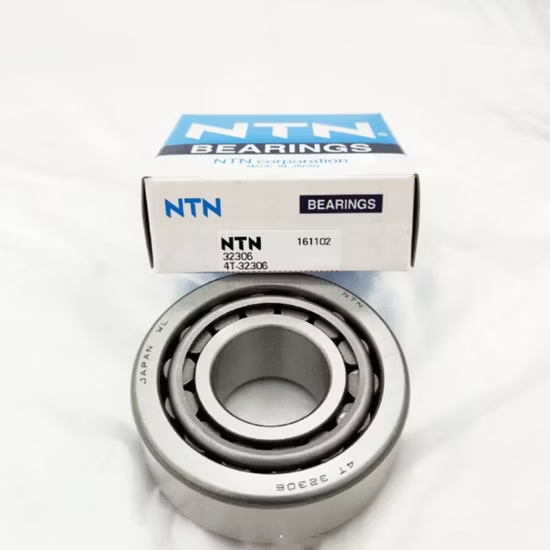
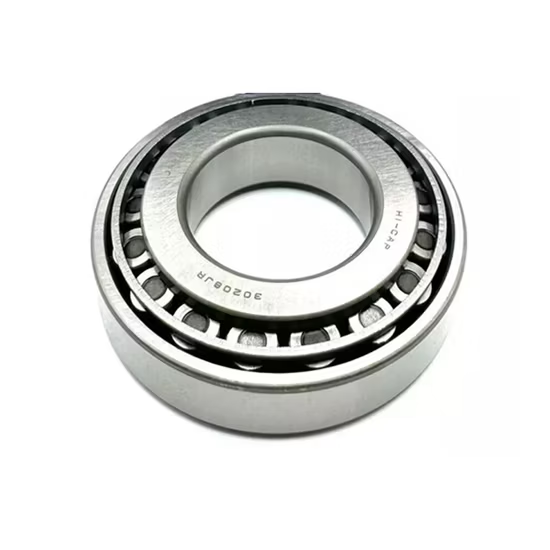
32941 32942 32943 32944 Tapered Roller Bearing — single-row configuration engineered to sustain combined radial and axial loads simultaneously. GCr15 high-carbon chromium steel construction delivers consistent wear resistance across automotive wheel hubs, truck axles, and industrial gearboxes.
Cross-reference alignment verified — We match base numbers, clearance classes, and cage materials simultaneously to prevent thermal binding in hub assemblies.
| Parameter | Value |
|---|---|
| Designation | 32941 32942 32943 32944 |
| Bearing Type | Single Row Tapered Roller Bearing |
| Precision Class | P4 |
| Material | GCr15 high-carbon chromium bearing steel |
| Cage Material | Available in nylon, brass, or iron variants |
| Origin | Germany, Japan, Sweden, Malaysia, or China |
| Industry | Typical Applications |
|---|---|
| Automotive & Heavy Vehicles | Wheel hub assemblies, truck drive axles, steering knuckles |
| Industrial Power Transmission | Heavy-duty gearboxes, reducer shafts |
| Construction & Manufacturing | Building material conveyors, manufacturing plant drive rolls |
Matching the base designation without verifying internal clearance and cage material is a primary cause of catastrophic wheel lockups.
Operating in the Middle East automotive aftermarket, I have inspected truck axles that failed on the highway because a standard clearance bearing was installed where thermal expansion demanded a wider internal gap. Procurement teams often assume the base number guarantees fitment, overlooking that internal design variations dictate survival under heavy radial and axial loads. When a nylon cage is specified for an application that actually requires brass due to sustained high-temperature operation, the cage degrades rapidly, leading to roller skewing and eventual hub seizure.
Specifying the correct 32941 32942 32943 32944 tapered roller bearing requires looking past the basic nomenclature to evaluate the exact operating environment. Our technical team reviews your application parameters to ensure the selected cage material and internal geometry align with the specific shock loads and thermal cycles of your wheel hubs or gearboxes. This cross-reference alignment prevents the subtle mismatches that cause premature fatigue in heavy vehicle drivetrains.
Automotive wheel hubs and truck axles subject tapered roller bearings to complex combined loads while generating significant friction heat. If the internal clearance is too tight, thermal expansion eliminates the operating gap, causing excessive preload and rapid temperature spikes. Proper lubrication is equally critical; heavy-duty applications require high-viscosity greases that resist washing out and maintain film strength under extreme pressure. Inadequate sealing allows abrasive road dust to infiltrate the raceways, accelerating wear and compromising the P4 precision running accuracy.
The P4 precision class ensures tighter dimensional and running accuracy compared to standard grades, which is vital for minimizing vibration and noise in high-speed gearbox shafts. GCr15 bearing steel provides the necessary hardenability and wear resistance to withstand the intense contact stresses at the roller-raceway interface. Depending on the operational speed and temperature profile, the cage material must be carefully selected: brass cages offer superior durability under heavy loads and high temperatures, while nylon variants reduce weight and friction in moderate conditions, and iron cages provide a cost-effective solution for standard industrial drives.
Installing a bearing with incorrect internal clearance or an unsuitable cage material leads to unplanned downtime and catastrophic damage to surrounding axle components. When thermal binding occurs, the resulting friction can weld the rollers to the raceway, destroying the hub assembly and voiding equipment warranties. These failures are rarely sudden; they begin with microscopic smearing and cage deformation that quickly escalate into complete mechanical lockup, turning a minor procurement oversight into a massive repair liability.
Sourcing genuine components requires strict verification at every step. We provide full batch and lot traceability for every 32941 32942 32943 32944 tapered roller bearing, ensuring you receive products manufactured in authorized facilities. Our cross-brand interchange expertise guarantees that replacement units match the original equipment manufacturer's exact specifications for load capacity and internal geometry. By demanding official QR verification and rejecting soft inner rings commonly found in counterfeits, we protect your fleet from the severe safety risks associated with substandard metallurgy.
To ensure optimal performance and longevity, provide our engineering team with your specific application parameters. Sharing details such as radial and axial load profiles, operating speeds, and expected temperature ranges allows us to perform accurate L10 life calculations and verify the correct internal clearance. If you are replacing original equipment, supply the OEM part numbers so we can execute a comprehensive cross-reference check, guaranteeing the replacement unit perfectly matches the factory design intent.
Q: How can I verify the authenticity of these tapered roller bearings using official QR codes?
A: Each genuine bearing features a unique QR code linked to the manufacturer's database. By scanning the code with the official brand application on your smartphone, you can instantly verify the production batch, origin, and authenticity. This digital traceability is the most reliable method to identify counterfeits that attempt to clone visual markings but lack the proper metallurgical quality and precision tolerances required for safe automotive operation.
Q: Why must clearance, cage material, and precision be matched together during cross-referencing?
A: A base designation only defines the external dimensions. Internal clearance dictates how the bearing handles thermal expansion, while the cage material determines its survival under specific speed and temperature loads. If these three elements are not matched to the exact application requirements, the bearing may suffer from thermal binding, cage melting, or excessive vibration, leading to premature failure even if the physical size fits the housing perfectly.
Q: What are the selection boundaries between nylon, brass, and iron cages in these applications?
A: Brass cages are preferred for heavy-load, high-temperature environments like truck axles due to their exceptional durability and heat dissipation. Nylon cages offer lower friction and weight, making them suitable for moderate-speed applications where noise reduction is critical, but they have strict upper temperature limits. Iron or steel cages provide a robust, cost-effective solution for standard industrial gearboxes operating under normal thermal and load conditions.
Q: How do precision classes impact the performance of industrial gearboxes?
A: Higher precision classes, such as P4, guarantee tighter dimensional and running accuracy compared to standard P0 grades. In industrial gearboxes, this enhanced precision minimizes vibration, reduces operational noise, and ensures smoother load distribution across the rolling elements. Consequently, achieving higher precision extends the service life of the bearing and protects adjacent gear teeth from premature wear caused by shaft deflection or excessive radial play.
Our 5-step process ensures every order is engineered, validated, and supported for optimal performance.
Technical needs assessment
Custom specifications
Free samples for $50k+
Pre-shipment inspection
On-site & predictive
Our certified engineers respond within 24 hours with detailed technical specifications, pricing, and lead time information.