01
Consultation
Technical needs assessment


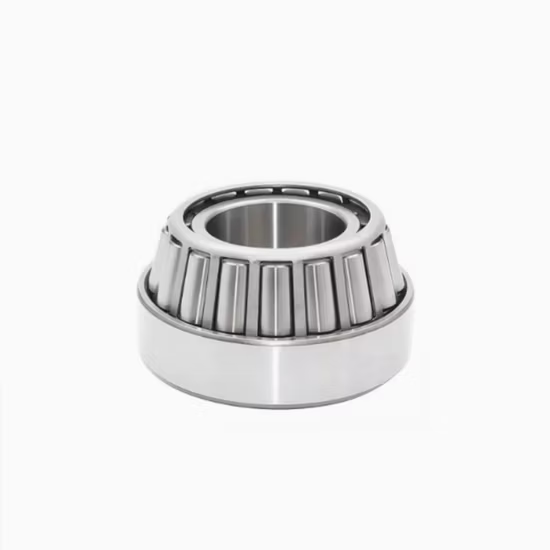


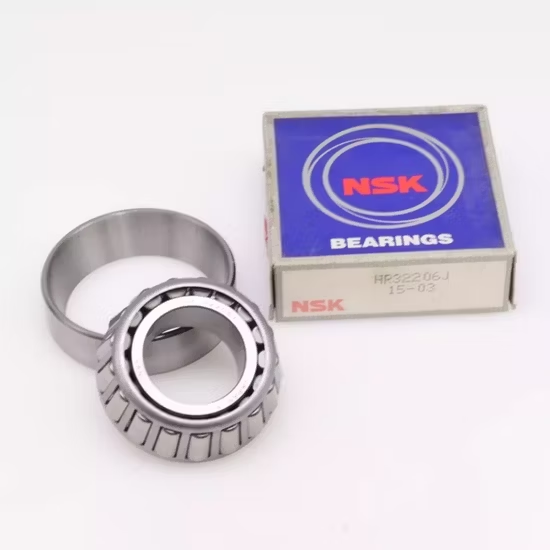
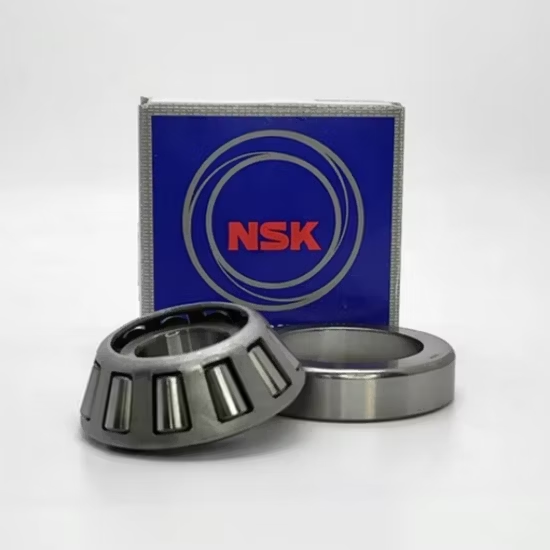
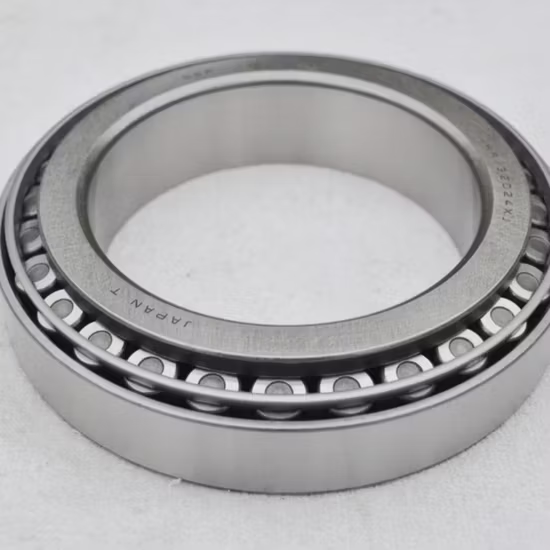
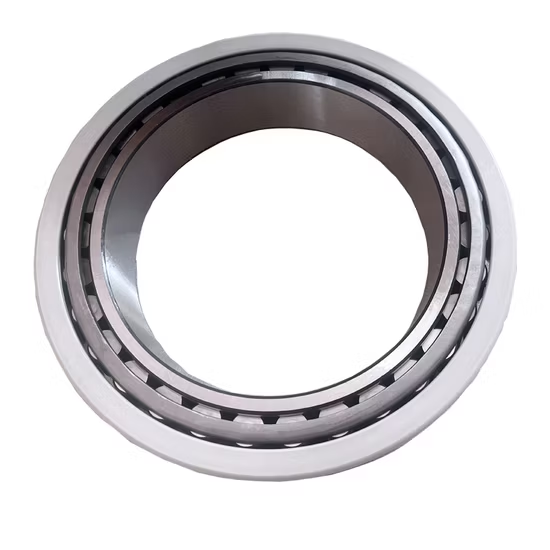
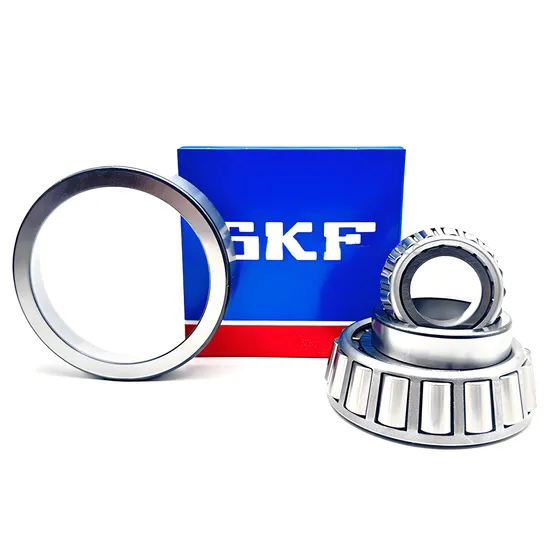
30305 Tapered Roller Bearing — Single-row configuration in GCr15 bearing steel with P4 precision class, engineered to handle combined radial and axial loads in automotive wheel hubs and industrial gearboxes.
Original Batch Traceability — Every 30305 unit we dispatch includes manufacturer lot documentation linking directly to the production facility.
| Parameter | Value |
|---|---|
| Designation | 30305 |
| Bearing Type | Tapered Roller Bearing (Single Row) |
| Precision Class | P4 |
| Material | GCr15 Bearing Steel |
| Cage Material | Nylon / Brass / Steel (available options) |
| Origin | Germany / Japan / Sweden / Malaysia / China |
| Customization | Available |
| HS Code | 8482500090 |
| Industry | Typical Applications |
|---|---|
| Automotive & Heavy Vehicles | Wheel hubs, truck axles, differential assemblies |
| Industrial Machinery | Heavy-duty gearboxes, building material processing equipment |
| General Manufacturing | Material handling systems, general rotating shafts |
Matching the base designation without verifying internal clearances and cage materials leads directly to thermal binding under heavy loads.
I have seen differential assemblies lock up completely in the desert heat because a standard cage was installed where a high-temperature brass variant was required. Procurement teams often focus solely on the 30305 tapered roller bearing number, overlooking the fact that internal geometry and material choices dictate survival in harsh environments. Sourcing the exact suffix combination prevents catastrophic field failures that no basic visual inspection could have predicted.
Selecting the correct 30305 tapered roller bearing requires looking beyond the catalog number to the actual operational stresses. Our technical review process evaluates your specific radial and axial load combinations to recommend the optimal cage material and precision class. This ensures the component handles the combined loading typical in wheel hubs and gearbox applications without premature wear.
Automotive and industrial environments subject rolling elements to severe thermal cycling and particulate ingress. When operating temperatures rise, internal clearance must accommodate thermal expansion to prevent the rollers from skewing and generating excess friction. Proper lubrication intervals and selecting the right seal or shield configuration are equally critical to keep abrasive dust out of the raceway.
The P4 precision class specified for this component guarantees tighter dimensional and running accuracy compared to standard grades, which is essential for minimizing vibration in high-speed gearboxes. GCr15 bearing steel provides the necessary hardenability and wear resistance for continuous heavy-duty operation. Depending on your specific speed and temperature requirements, the cage is available in nylon for reduced friction, brass for high-temperature stability, or stamped steel for general durability. Understanding these material options allows engineers to fine-tune the assembly for maximum service life.
Installing a component with mismatched internal design or incorrect clearance class inevitably results in unplanned downtime and premature failure. According to ISO 15243 frameworks, improper selection frequently manifests as severe smearing, cage fracture, or catastrophic raceway spalling. These failure modes not only destroy the bearing itself but can cause extensive secondary damage to surrounding shafts and housings, completely voiding equipment warranties and halting production lines.
We maintain authorized distribution channels across all major international brands, allowing you to consolidate mixed-brand requirements into a single, fully documented shipment. Our cross-reference protocol strictly aligns the base number, clearance class, and cage material, preventing the dangerous mismatches that cause field failures. Every 30305 tapered roller bearing we supply is backed by manufacturer batch traceability and QR verification through official brand applications. We also provide application-based selection reviews to ensure your specific load and temperature conditions are fully addressed before dispatch.
To ensure optimal performance, please provide your specific radial and axial load data, operating speeds, and expected temperature ranges for a comprehensive L10 life calculation. If you are replacing an existing part, share the original OEM equipment number or the exact suffix combination currently in use so we can perform a precise cross-reference check. Our engineering team will review these parameters to confirm the correct cage material and clearance class for your application.
Q: Why must clearance and cage material be verified alongside the base designation?
A: The base number only defines external dimensions. Internal clearance dictates how the bearing handles thermal expansion, while the cage material determines its speed and temperature limits. Matching all three parameters ensures the component survives the specific operational stresses of your equipment without suffering from thermal binding or cage fracture.
Q: How does P4 precision differ from standard grades in this application?
A: P4 precision offers significantly tighter dimensional and running accuracy than standard P0 grades. In automotive and industrial gearboxes, this enhanced precision reduces vibration, minimizes heat generation, and ensures smoother load distribution across the rollers, ultimately extending the service life of the entire drivetrain assembly.
Q: Which cage material is best for high-temperature automotive environments?
A: Brass cages are generally preferred for high-temperature and high-vibration environments, such as truck axles and differentials, due to their superior thermal conductivity and structural strength. Nylon cages offer lower friction for high-speed applications but have stricter upper temperature limits that must be carefully evaluated.
Q: How can I verify the authenticity of the supplied bearings?
A: Every unit we supply includes original manufacturer batch documentation and a unique QR code. You can scan this code using the official mobile application of the respective brand to instantly verify the production lot, origin facility, and authenticity of the component before installation.
Q: What is the correct heating method for mounting these tapered roller bearings?
A: Induction heating is the recommended method for mounting. The temperature must be strictly controlled and kept within the manufacturer's specified limits to avoid altering the metallurgical properties of the GCr15 steel or damaging the cage. Open flames or uneven heating methods must be strictly avoided.
Our 5-step process ensures every order is engineered, validated, and supported for optimal performance.
Technical needs assessment
Custom specifications
Free samples for $50k+
Pre-shipment inspection
On-site & predictive
Our certified engineers respond within 24 hours with detailed technical specifications, pricing, and lead time information.