01
Consultation
Technical needs assessment

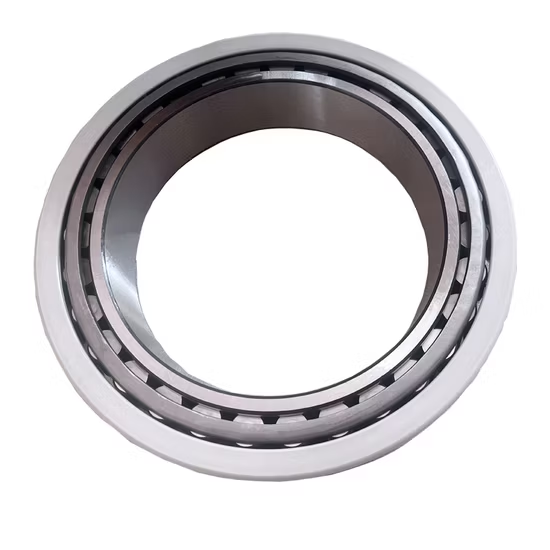
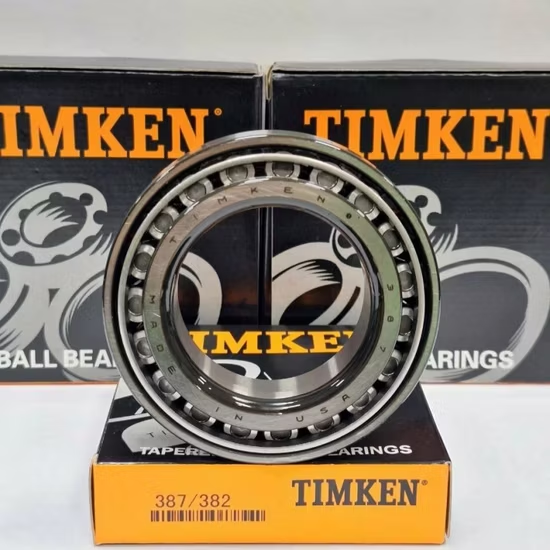
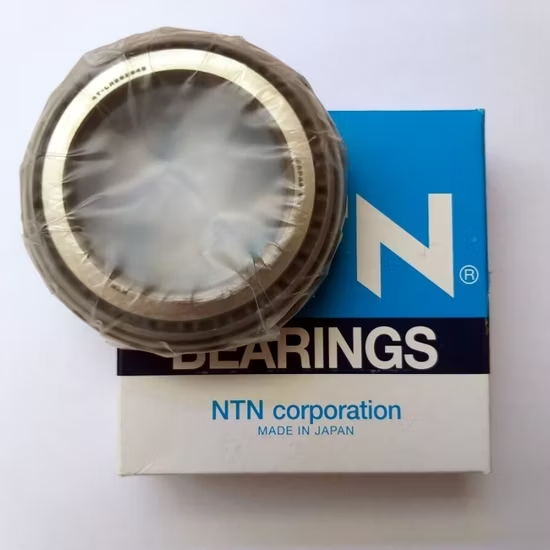
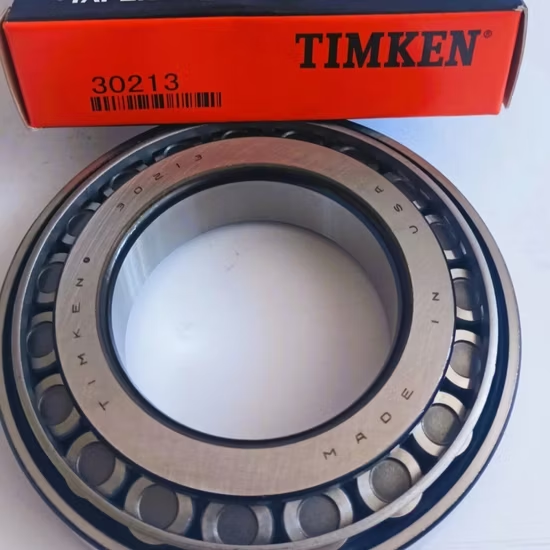

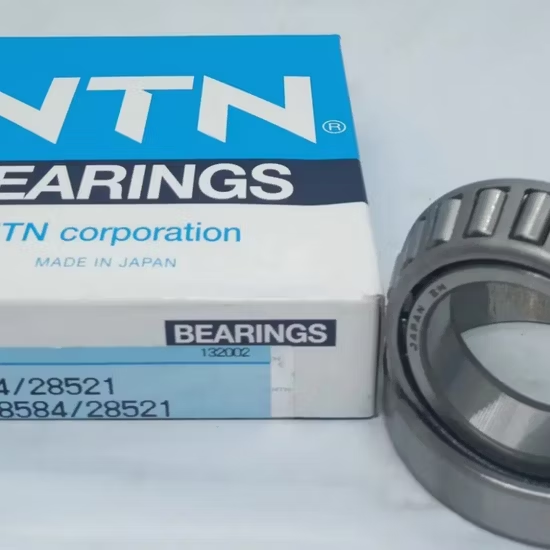
17887/17831 Single Row Inch Tapered Roller Bearing P4 — handles combined radial and axial loads in industrial gearboxes and truck axles.
Cross-Reference Triad Alignment — Every 17887/17831 single row inch tapered roller bearing we supply matches your OEM requirements across base designation, internal clearance, and cage material to prevent field failures.
| Parameter | Value |
|---|---|
| Designation | 17887/17831 |
| Bearing Type | Single Row Inch Tapered Roller Bearing |
| Precision Class | P4 |
| Material | GCr15 bearing steel |
| Cage Material Options | Nylon, Brass, or Iron |
| Origin Options | Germany, Japan, Sweden, Malaysia, or China |
| Certification | ISO 9001 compliant manufacturing |
| Industry | Typical Applications |
|---|---|
| Automotive & Heavy Vehicles | Wheel hubs and truck axles subjected to combined radial and thrust loads |
| Industrial Gearboxes | Pinion shafts and reduction stages requiring precise roller alignment |
| General Manufacturing | Conveyor drive mechanisms and material handling equipment |
A matching part number does not guarantee a matching internal design.
During my years inspecting field failures across Latin American mining and transport sites, I have seen countless truck axles seize simply because the replacement part shared the base designation but carried the wrong internal components. When a standard iron cage is installed in a high-speed hub application that originally required a machined brass cage, the resulting friction and thermal expansion quickly lead to catastrophic cage fracture . Sourcing a genuine 17887/17831 single row inch tapered roller bearing requires verifying the exact cage material and precision class, not just stamping numbers on a box.
Selecting the correct configuration for this inch-series tapered design means looking beyond the basic cone and cup numbers. We review your specific axle or gearbox operating parameters to ensure the selected cage material and P4 precision rating align with your actual rotational speeds and load profiles, preventing premature wear in critical heavy-duty applications.
Truck axles and industrial gearboxes subject tapered roller bearings to intense combined radial and axial loads, often accompanied by significant heat generation from braking or gear meshing. If the internal clearance is not correctly specified for these elevated operating temperatures, the rollers can skew and bind against the cage . Furthermore, contaminated environments demand strict attention to seal integration and external lubrication intervals to prevent abrasive particles from scoring the GCr15 raceways and accelerating fatigue.
The P4 precision class specified for this model ensures tighter dimensional and running accuracy compared to standard P0 grades, which is vital for minimizing vibration in high-speed pinion shafts. Because this designation lacks additional alphanumeric suffixes, the internal configuration must be explicitly confirmed during procurement. The bearing is available with nylon, brass, or iron cage options; brass is typically preferred for high-load, high-vibration environments due to its superior durability, while nylon offers reduced friction for higher-speed applications. Selecting the correct cage material directly dictates the bearing's ability to maintain roller spacing under shock loads without galling.
Installing a dimensionally correct bearing with an unverified internal design inevitably leads to unplanned downtime and catastrophic damage to adjacent housing components. When cage failure occurs at highway speeds or under heavy industrial loads, the loose rollers can severely score the shaft and cup, voiding equipment warranties and necessitating complete assembly replacements. Following the failure analysis frameworks outlined in ISO 15243, a significant share of these premature failures traces back directly to cross-reference errors that overlooked critical internal specifications .
We eliminate the guesswork in mixed-brand requirements by providing authorized coverage across all major manufacturers, ensuring your 17887/17831 single row inch tapered roller bearing order is fulfilled with exact internal matching. Our technical team actively checks cross-references against your OEM equipment numbers to verify that the clearance and cage material align perfectly with your application, rather than just shipping a base-number match. Every shipment includes full batch traceability to the manufacturer, allowing your maintenance team to verify authenticity and access precise dimensional inspection reports before the bearing ever reaches the shop floor.
To ensure optimal performance and accurate cross-referencing, please provide your specific operating parameters, including radial and axial loads, rotational speeds, and typical operating temperatures. Sharing your OEM equipment numbers or existing housing dimensions allows our engineering team to verify the precise internal configuration and conduct a comprehensive L10 life calculation for your application.
Q: How do I verify the authenticity of the 17887/17831 bearing upon delivery?
A: Every bearing we supply features a unique traceability code that can be scanned using the manufacturer's official mobile application. This instant verification confirms the batch origin, material specifications, and production date, protecting your operations from the widespread issue of cloned QR codes and counterfeit inner rings that often pass casual visual inspections in the aftermarket.
Q: Why is cross-referencing more than just matching the base number 17887/17831?
A: Matching only the base designation frequently overlooks critical internal variations like cage material and precision class. Installing an iron cage where a brass one was specified for high-vibration truck axles leads to rapid fatigue and cage fracture. We verify the complete internal design against your OEM requirements to ensure exact functional equivalence.
Q: What is the practical difference between P4 and standard P0 precision in this application?
A: P4 precision provides significantly tighter control over dimensional and running accuracy compared to standard P0 grades. In high-speed gearboxes or automotive wheel hubs, this enhanced accuracy minimizes vibration, reduces operational noise, and ensures even load distribution across the tapered rollers, noticeably extending the service life of the assembly.
Q: How do I choose between nylon, brass, and iron cage options for my equipment?
A: The choice depends on your specific operating environment. Brass cages offer superior durability and resistance to high loads and vibrations, making them ideal for heavy truck axles. Nylon cages reduce friction and are suited for higher-speed applications, while iron cages serve standard, moderate-duty general machinery. We help select the optimal material based on your speed and load data.
Our 5-step process ensures every order is engineered, validated, and supported for optimal performance.
Technical needs assessment
Custom specifications
Free samples for $50k+
Pre-shipment inspection
On-site & predictive
Our certified engineers respond within 24 hours with detailed technical specifications, pricing, and lead time information.